












As a leader or stakeholder in the automotive ecosystem, understanding the evolving contours of India’s auto industry is crucial for your strategic decision-making. The industry today is caught in a fascinating paradox — robust growth prospects intertwined with intensifying margin pressures. This interaction is reshaping how you must navigate investments, product development, localization, and innovation to maintain a competitive edge in one of the world’s fastest-growing auto markets.
Why This Industry Shift Matters to You
You are operating within an industry undergoing significant transformation, influenced not only by surging domestic demand but also by expanding export horizons and electrification mandates. Your profitability and growth trajectory depend on how effectively you counter rising input costs, tighter regulations, and customer expectations that demand more technologically advanced, affordable vehicles. The balancing act between premiumisation and cost discipline, as well as between innovation and operational resilience, is more delicate than ever.
Growth Under Margin Strain: What Is Happening?
The Indian automotive sector continues to show promising growth fueled by an expanding middle class, government incentives for electric mobility, and export opportunities aligning with global supply chain reconfigurations. However, this optimistic growth narrative coexists with persistent margin compression. Raw material price inflation, supply chain disruptions, and compliance with stricter emission and safety norms have collectively escalated operational expenses.
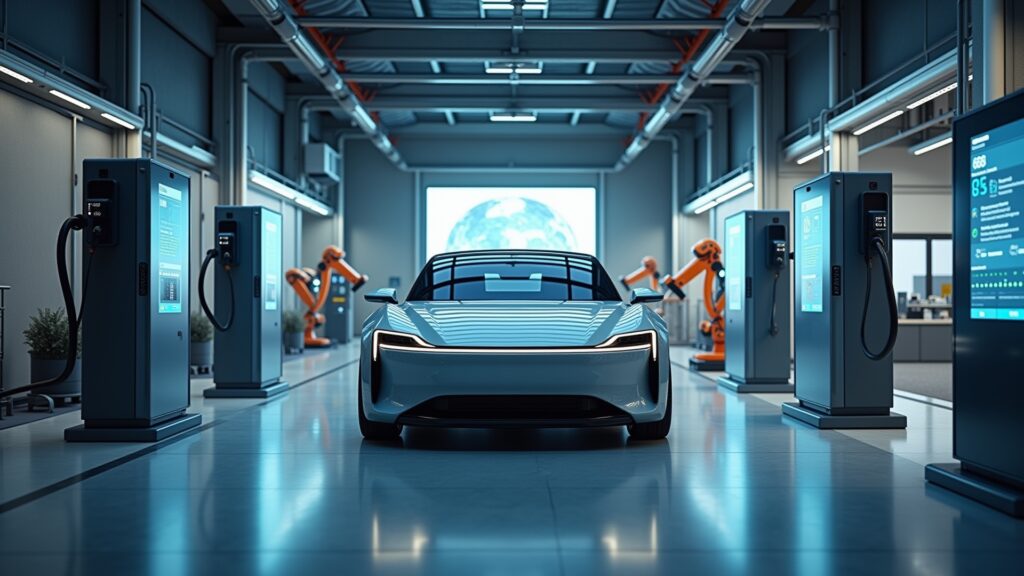
Simultaneously, the shift towards EV and hybrid vehicle production demands heavy capital investment in new technologies and deeper localization to reduce dependency on costly imports. These dynamics are intensifying cost pressures at a time when consumers expect value, affordability, and next-generation features—forcing you to rethink traditional business models.
Key Strategic Implications for OEMs and Suppliers
Your business strategy must prioritize recalibrating product portfolios to optimize the balance between premium features and cost-efficiency. OEMs are sharpening focus on localization — a move pivotal not only for cost control but also to align with government incentives and export competitiveness. This means accelerating in-house capabilities or forging partnerships that deepen component manufacturing within India.
For suppliers, the growing complexity and volume shifts require scaling operations, automating processes, and integrating digital technologies to boost efficiency and reduce costs. Your ability to innovate in supply chain resilience and meet evolving standards will determine your long-term margins and market presence.
Investment, Innovation, and Policy Nexus
Investor confidence in the Indian auto industry remains unwavering due to the government’s proactive stance on electric mobility, manufacturing incentives, and export facilitation. Yet, you must recognize that sustainable growth hinges on rapid adoption of software-defined vehicle technologies, connected mobility solutions, and the expansion of charging infrastructure.
Public-private collaborations are critical, as is clarity on policies related to supply chain localization, export duties, and energy transition. These frameworks will enable your company to scale innovation while managing capital efficiently.
“In the automobile industry, speed is valuable — but strategic timing creates lasting advantage.”
Navigating Complexity with Strategic Foresight
As a leader, your challenge lies in marrying innovation with operational discipline. Pursuing strategic partnerships, investing in advanced manufacturing technologies, and fast-tracking localization will unlock profitability in this capital-intensive phase. Your ability to manage margin pressures pragmatically, while seizing growth from electrification and export markets, will dictate your organisation’s longevity and leadership in the Indian ecosystem.
“The real edge is not only in building vehicles, but in controlling the technology, supply chain, and customer experience behind them.”
Practical Takeaways for Auto Industry Leaders
- Prioritize localization strategies to reduce reliance on imports and leverage government incentives.
- Accelerate investments in EV and hybrid technologies with a balanced capital deployment approach.
- Integrate digital and automation solutions in manufacturing and supply chain to improve operational efficiency.
- Adapt product portfolios to reflect evolving consumer demands for premium yet affordable vehicles.
- Monitor policy developments closely to align with incentives and compliance frameworks.
- Forge partnerships that foster innovation in software-defined vehicles and connected mobility.
Risks and Challenges Ahead
You face significant risks from raw material price volatility, regulatory shifts, and the capital-heavy nature of new technology adoption. Supply chain disruptions remain a concern as geopolitical factors evolve. Moreover, managing consumer price sensitivity while investing in premium features challenges your margin sustainability. Failure to adapt swiftly to software integration and charging infrastructure developments could undermine your competitive position.
What You Should Watch Next
Keep a keen eye on how OEMs and suppliers accelerate localization to mitigate margin pressures. Track policy changes especially in energy transition and export facilitation. Observe the pace at which software-defined vehicles and connected services penetrate the market. Additionally, monitor developments in battery technology and infrastructure that will underpin EV adoption.
“When manufacturing strength, policy clarity, and market demand align, automotive growth becomes far more scalable.”
Conclusion: Aligning Growth Ambitions with Margin Realities
The outlook for India’s auto industry underscores an imperative for you to pursue forward-looking strategies that harmonize growth with margin optimization. This balance is essential not only for survival but to thrive amid technological disruption, sustainability imperatives, and evolving market dynamics. By embedding strategic foresight into your operational framework, you can position your enterprise to lead India’s emergence as a global automotive hub with resilience and profitability.