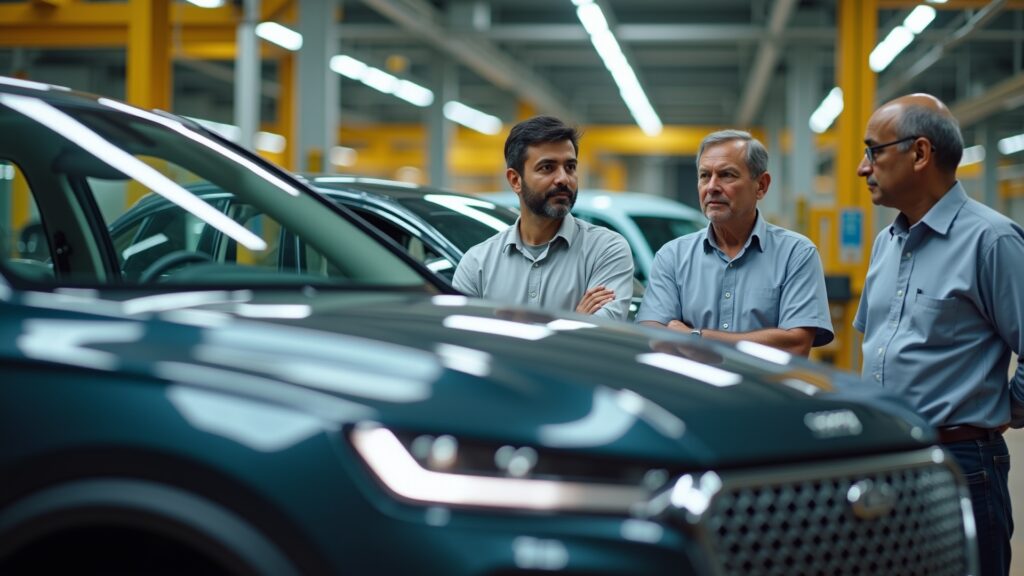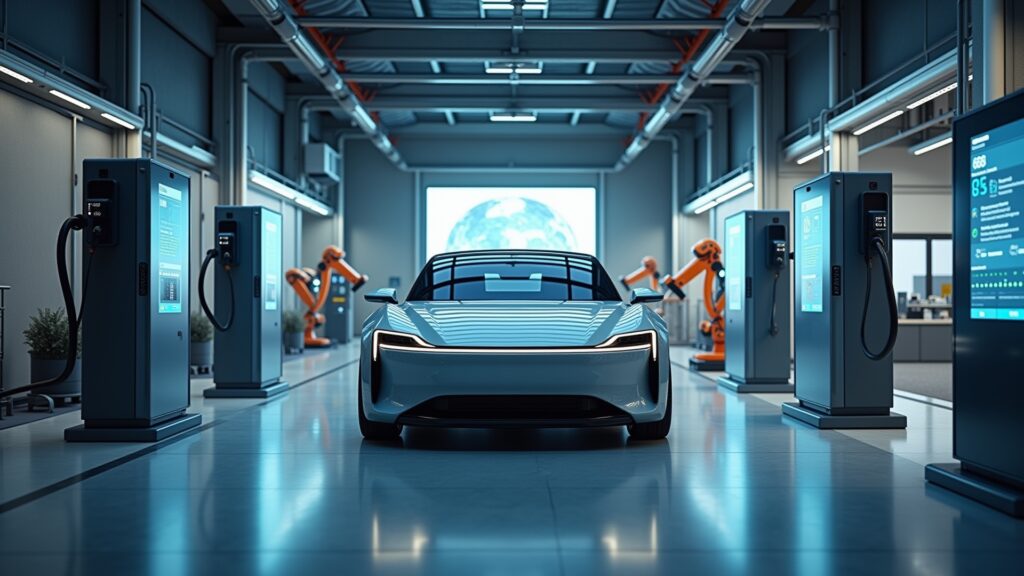













Your role in the automotive ecosystem demands a keen understanding of market dynamics that shape long-term growth trajectories. The recent 21.83% sales growth in June 2024, recorded by the Indian auto industry according to the Federation of Automobile Dealers Associations (FADA), is not merely a statistical uptick — it is a strategic signal poised to influence your decisions around manufacturing, investment, and innovation in this rapidly evolving sector.
Why This Growth Matters to You Now
This surge reflects India’s strengthening position as a formidable manufacturing hub combined with an expanding domestic market. If you are an OEM leader, investor, or component supplier, this tells you that the industry is navigating through deeper structural shifts, beyond temporary market recovery. It highlights the power of localisation, supply chain resilience, and consumer confidence rebuilding amid global uncertainties. Your strategies and capital allocations must align with these shifting tectonics to capture sustained value.
Understanding What Is Happening in the Indian Auto Industry
The 21.83% increase epitomizes accelerated demand not only for traditional internal combustion vehicles but also an increasing tilt towards electric and hybrid segments. This duality presents a critical juncture: while legacy models still dominate volumes, EV and hybrid adoption is setting the stage for the future of mobility in India.
The auto component ecosystem is equally pivotal, with rising production volumes triggering opportunities to deepen local sourcing. Coupled with government-backed initiatives promoting technology adoption and localisation, the Indian auto industry is consolidating its competitive edge amid supply chain disruptions worldwide.
Key Business and Market Implications
- OEM Strategy: Strengthening consumer confidence allows you to accelerate transition plans toward electrification while optimizing internal combustion engine offerings for profitability.
- Component Manufacturers: Increasing production volumes create scope for cost innovation and localisation, enhancing your competitive positioning.
- Exports and Global Competitiveness: India’s ambition to grow as a global export hub depends on sustaining demand cycles and scaling manufacturing excellence supported by regulatory incentives.
- Policy Influence: Consistent government policies around localisation, subsidies, and environmental regulations crucially shape your long-term operational planning.
“In the automobile industry, speed is valuable — but strategic timing creates lasting advantage.”
Strategic Insights: What This Growth Really Means for You
This sales growth is more than a short-term boon; it signals India’s auto sector entering an era of consolidation and transformation. For your company, this means investing deeply in software-defined vehicles, connected technologies, and autonomous driving development, where India is emerging as a contender on the global stage.
You must also regard this momentum as an opportunity to refine your supply chain strategies to mitigate global supply volatility. Embracing localisation and developing battery and charging infrastructure partnerships will be mission-critical for capturing the EV market share effectively.
Practical Takeaways: What You Should Act On Immediately
- Prioritize integrating electric and hybrid vehicle portfolios without neglecting legacy models that still command significant market share.
- Strengthen your supply chain resilience through localisation and strategic partnerships within India’s growing component ecosystem.
- Engage proactively with policymakers to shape and respond to regulations influencing incentives, technology adoption, and export facilitation.
- Expand dealership networks and enhance digital retail capabilities to improve customer reach and service experience amid market expansion.
- Invest in technology platforms that enable connected vehicle ecosystems and data-driven insights for product and service innovation.
“The real edge is not only in building vehicles, but in controlling the technology, supply chain, and customer experience behind them.”
Risks and Challenges To Navigate
While the growth trend is promising, there are cautionary elements you cannot ignore. Global economic headwinds, potential raw material price volatility, and evolving regulatory landscapes require continuous vigilance. Your investment in EV infrastructure and technology must be paced carefully to avoid overextension while preparing for scalable growth. Additionally, consumer acceptance patterns and competitive pressures will require agile responses aligned with market signals.
What You Should Watch Next
Keep your focus on emerging policy updates, especially regarding localisation incentives and environmental norms. Monitor advancements in battery technology and charging infrastructure development, as these will define your EV competitiveness. Track export demand trends and international trade negotiations shaping India’s position as a manufacturing-export hub. Finally, observe shifts in consumer behavioral patterns toward premium and sustainable mobility solutions, which will impact your product positioning strategies.
Conclusion: Seizing the Strategic Momentum
India’s auto industry sales growth in June 2024 is a beacon of strategic momentum that you cannot afford to overlook. As the domestic market expands and global ambitions rise, aligning your business with this growth requires a comprehensive approach—integrating innovation, localisation, supply chain resilience, and export-led strategies. For OEMs, suppliers, investors, and policymakers invested in the future landscape of mobility, understanding and leveraging this growth phase is imperative for sustained profitability and leadership.
“When manufacturing strength, policy clarity, and market demand align, automotive growth becomes far more scalable.”