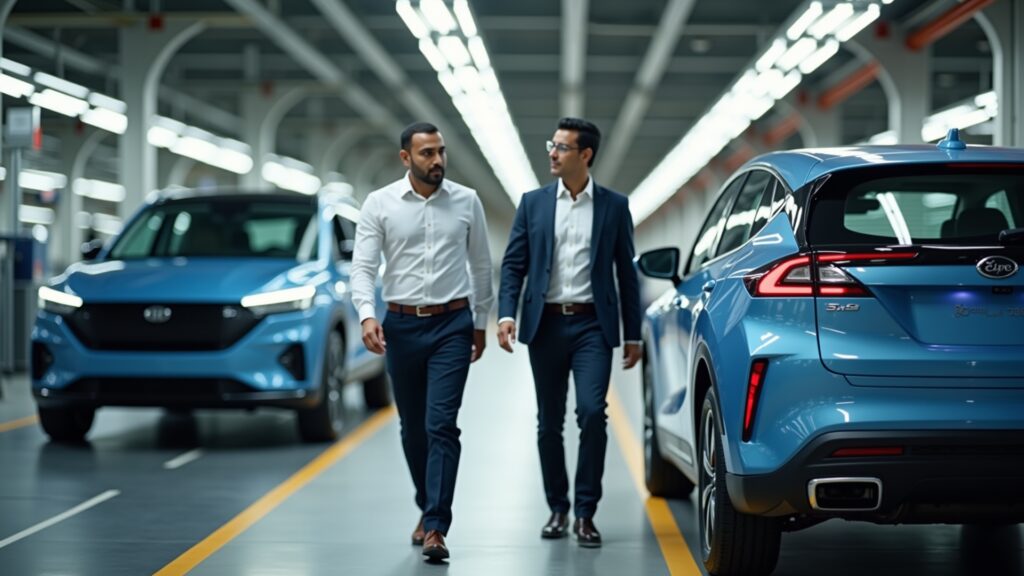
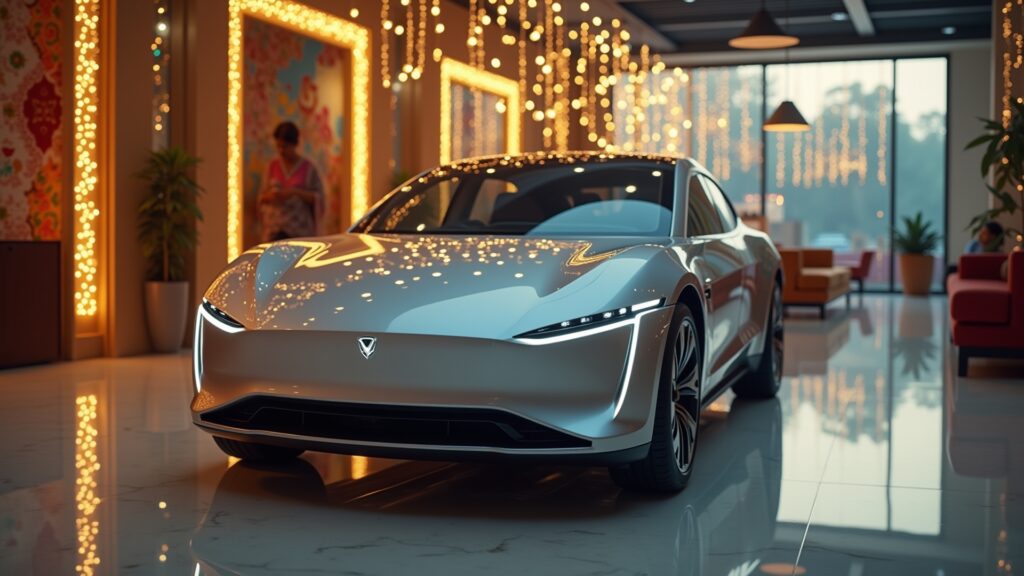
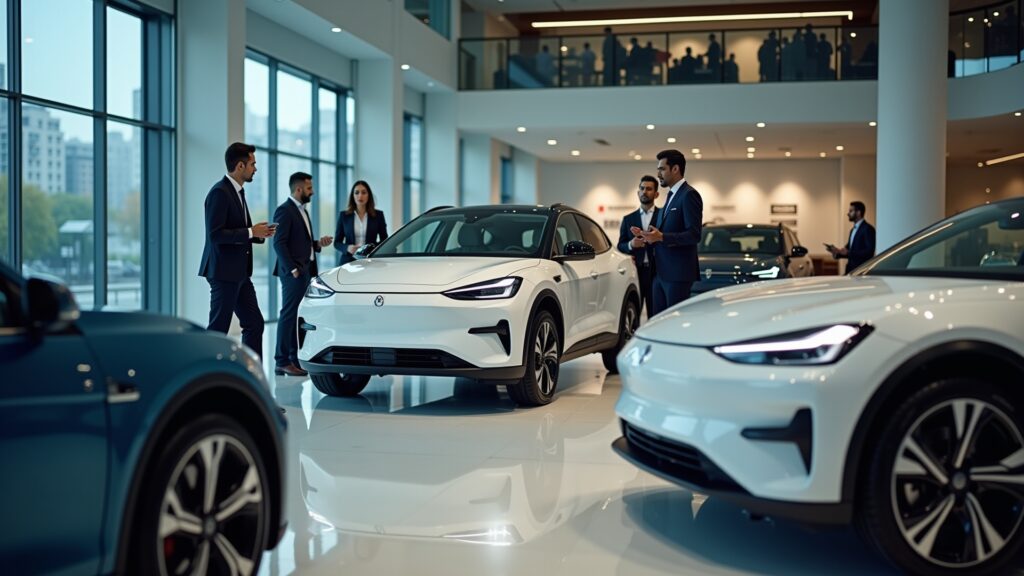









As an automotive industry professional, you understand that India’s automotive landscape is at a pivotal juncture. Recent strategic moves by major players like Renault, Hyundai-TVS, Mahindra, and Royal Enfield do more than make headlines — they reshape the very framework of how automotive business and manufacturing operate in India today. If you are navigating OEM strategies, investment decisions, or supply chain dynamics, these developments offer vital insights into the trends and tactical priorities influencing India’s position as a rising global automotive hub.
Why This Matters to You
Your business decisions in the automotive sector hinge on understanding not just current market shifts but the strategic undercurrents shaping future competitiveness. The moves by these industry leaders provide a live blueprint for balancing legacy internal combustion technology with emerging electric mobility demands, while leveraging India’s strengths in localization, export capability, and brand value expansion. Whether you are an OEM leader, a supplier, or an investor, these developments influence profitability, innovation pathways, and regulatory alignment that translate directly into business outcomes.
What Is Happening: Key Industry Moves
- Renault’s New 1.2-Litre Engine: Reinforces the continued investment in localized combustion powertrain technology designed for emission compliance and cost-effective manufacturing.
- Hyundai-TVS Partnership on Electric Three-Wheelers (E-3Ws): Marks a strategic collaboration to target the burgeoning urban and last-mile electric mobility segment beyond traditional passenger vehicles.
- Mahindra’s Global Top 25 Brand Entry: Validates its aggressive market and export strategies, recognizing Mahindra as a formidable global automotive player.
- Royal Enfield’s Scram 450 Launch Planned for 2027: Signals product diversification towards younger, urban customers, tapping into premiumization and new mobility preferences.
Strategic Impact on Business and Market Dynamics
Each of these developments embodies critical strategic themes for you to consider:
- Localization and Supply Chain Resilience: Renault’s engine development underscores the crucial role of in-country manufacturing to navigate tightening emission norms and volatile global supply chains.
- Electric Mobility Ecosystem Expansion: The Hyundai-TVS alliance accelerates product innovation and component localization for electric three-wheelers—a segment with expanding urban relevance and policy support.
- Brand Building for Global Competitiveness: Mahindra’s rise highlights how focused investment in product portfolio and export market diversification can elevate a domestic player to global ranks.
- Consumer Segment Evolution and Premiumisation: Royal Enfield’s Scram 450 reflects the premium commuter motorcycle trend, requiring advanced manufacturing and strong product differentiation.
Deeper Insight: Why These Moves Signal Broader Industry Shifts
Behind each headline lies a convergence of strategy playing out against India’s unique automotive ecosystem backdrop—one where electrification coexists with combustion, and domestic manufacturing intersects with global export ambitions.
Renault’s engine initiative reminds you that while EVs are fast gaining ground, combustion engines remain vital in India’s transition period. This dual-track approach is essential for managing regulatory compliance, consumer acceptance, and supply chain optimizations.
Meanwhile, Hyundai and TVS’s venture into electric three-wheelers is an astute play into niche electric mobility—a segment primed for growth but demanding scale, technology sharing, and component localization. You recognize this as a bellwether for how partnerships will drive innovation efficiency and cost competitiveness in India’s EV evolution.
Mahindra’s recognition among global top automotive brands confirms the dividends of a diversified brand strategy. Its success anchors on blending traditional strengths with future-focused investments, reinforcing India’s emergence as a premium automotive export hub.
Royal Enfield’s move to diversify its product line for urban premium commuters spotlights a market trend towards premiumization, adaptable mobility, and lifestyle alignment. For you, this highlights the importance of product innovation synced with evolving consumer preferences.
Practical Takeaways for Automotive Leaders
- Understand the Necessity of Dual Powertrain Investments: Continue to invest strategically in internal combustion engines while ramping up electrification efforts, balancing short-term returns with long-term sustainability.
- Pursue Strategic Partnerships: Collaborations like Hyundai-TVS demonstrate the value of shared technology development, especially in emerging niches such as electric three-wheelers.
- Focus on Brand Equity and Global Expansion: Building a resilient brand internationally is critical. Mahindra’s rise exemplifies how product excellence combined with export focus drives competitive advantage.
- Leverage Premiumisation Trends: Adjust product portfolios to capture premium urban segments, following Royal Enfield’s lead in diversifying offerings for younger demographics.
- Localize Supply Chains: Localization remains a consistent enabler of cost control, regulatory compliance, and supply chain resilience, particularly amid global uncertainties.
Expert Perspectives
“In the automobile industry, speed is valuable — but strategic timing creates lasting advantage.”
“The real edge is not only in building vehicles, but in controlling the technology, supply chain, and customer experience behind them.”
“When manufacturing strength, policy clarity, and market demand align, automotive growth becomes far more scalable.”
Risks and Challenges to Consider
While these strategies illustrate forward momentum, you must stay alert to potential risks such as:
- Rapidly shifting regulatory frameworks impacting emission norms and EV incentives could require agile operational adjustments.
- Supply chain disruptions, especially for critical EV components like batteries, might impact scalability of emerging segments.
- Brand positioning risks if premiumization efforts do not align closely with evolving consumer expectations and price sensitivity.
- Intense competition from both domestic disruptors and global OEMs targeting the same growth segments.
What You Should Watch Next
- Progress and product launches from Renault’s new engine initiative and how it influences OEM manufacturing strategies.
- Expansion of Hyundai-TVS collaborations into additional electric vehicle segments and component localization achievements.
- Mahindra’s next global market moves, especially in electric and export segments.
- Royal Enfield’s product development trajectory post the Scram 450 launch announcement and its impact on premium motorcycle market share.
- Government policy shifts supporting EV infrastructure, localization incentives, and export facilitation.
Conclusion: Navigating Strategic Shifts in India’s Automotive Industry
As you steer your business through India’s dynamic automotive sector, these strategic moves by Renault, Hyundai-TVS, Mahindra, and Royal Enfield highlight a landscape balancing the legacy and future of mobility. Understanding and integrating lessons from their localization efforts, electrification partnerships, brand elevation strategies, and product diversification will empower you to shape resilient, competitive enterprises. The path forward requires holistic strategies that harmonize manufacturing excellence, technological innovation, and market responsiveness within India’s unique regulatory and consumer context.
In the realm of strategic shifts in India’s automotive industry, your proactive engagement with these trends can position your enterprise not just to survive but thrive in a rapidly evolving global market.