












As you strategize your next moves in the automotive industry, the robust start of India’s auto sector to fiscal year 2027 offers more than just a snapshot of sales growth—it signals a strategic shift that could reshape your business landscape. Your decisions around manufacturing, investments, and technology adoption are poised to be influenced by this resurgence, which reflects both resilience and renewed confidence amid global uncertainties and a rapidly evolving mobility ecosystem.
Why This Growth Matters Directly to You
This early acceleration in India’s auto sector is not merely about improved numbers. For you, whether you’re an OEM leader, an investor, or an auto component manufacturer, it embodies the momentum that can catalyze competitive advantage. It underlines India’s emergence as a potent hub for not only volume manufacturing but also technology-driven automotive innovation and export-led growth. Recognizing these dynamics equips you to optimize localization strategies, channel investments effectively in EVs and hybrids, and respond to evolving policy landscapes.
What Is Happening in India’s Auto Sector in FY27?
The first quarter of FY27 has marked significant growth for India’s automobile industry, driven by multiple converging factors. Despite the backdrop of persistent global supply chain disruptions, Indian auto manufacturers and suppliers have showcased remarkable adaptability. Production and sales volumes indicate positive momentum, but the underlying narrative is far richer.
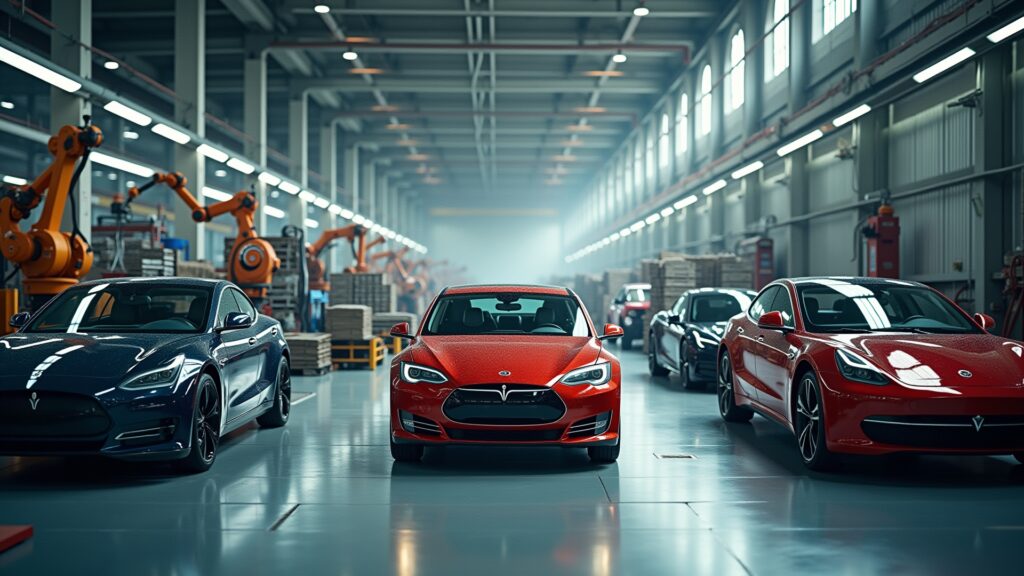
Indian OEMs are capitalizing on increasing localization, expanding production capacities, and innovating through advanced technology integration. These efforts coincide with government incentives promoting electric vehicle (EV) adoption and sustainability, which have further accelerated investments in hybrid and electric powertrains.
Key Business and Market Impacts Explored
Several strategic business impacts are emerging that should influence your planning and operations:
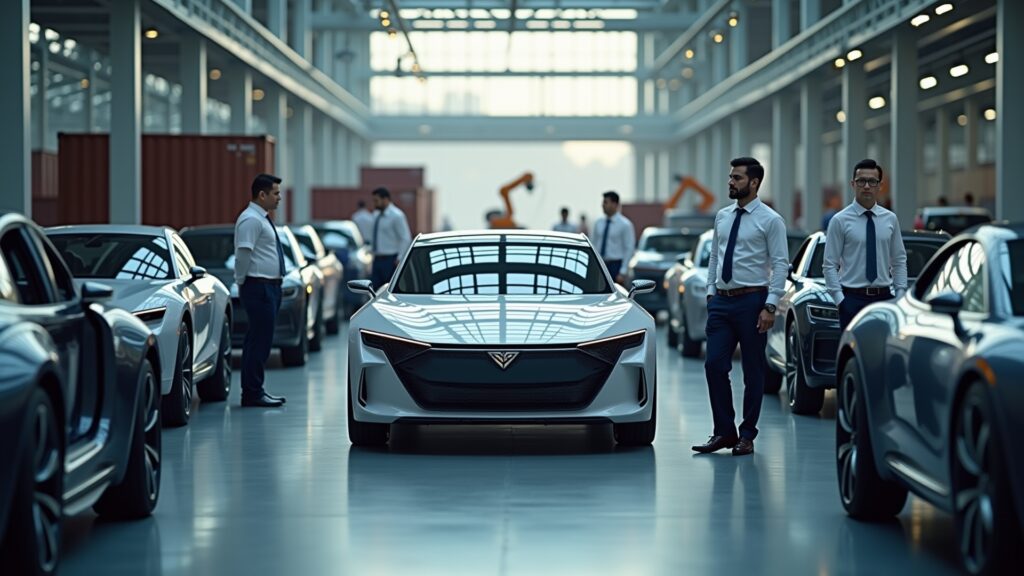
- Localization and Export Diversification: By reducing dependency on domestic markets and increasing export capabilities, Indian OEMs and suppliers are diversifying revenue and mitigating risks associated with single-market reliance.
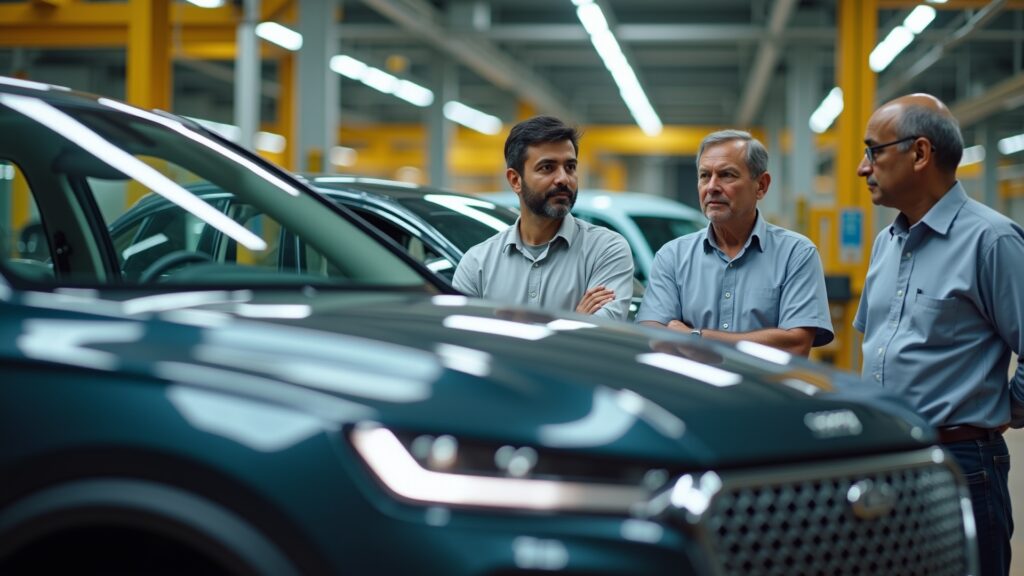
- Supplier Ecosystem Strengthening: Enhanced collaboration and investment in supplier networks are ensuring component availability for both conventional ICE and electrified vehicle production, critical for operational continuity.
- Technology Adoption: You are witnessing a pivot towards software-defined vehicles and connected mobility, necessitating more agile R&D and partnerships that extend beyond traditional manufacturing.
- Supply Chain Resilience: Investments in digital manufacturing and supply chain transparency tools are enabling better navigation through global freight and raw material challenges.
Strategic Insights: Positioning for Sustainable Growth
To capitalize on FY27’s robust start, you must refine your strategies around several pillars:
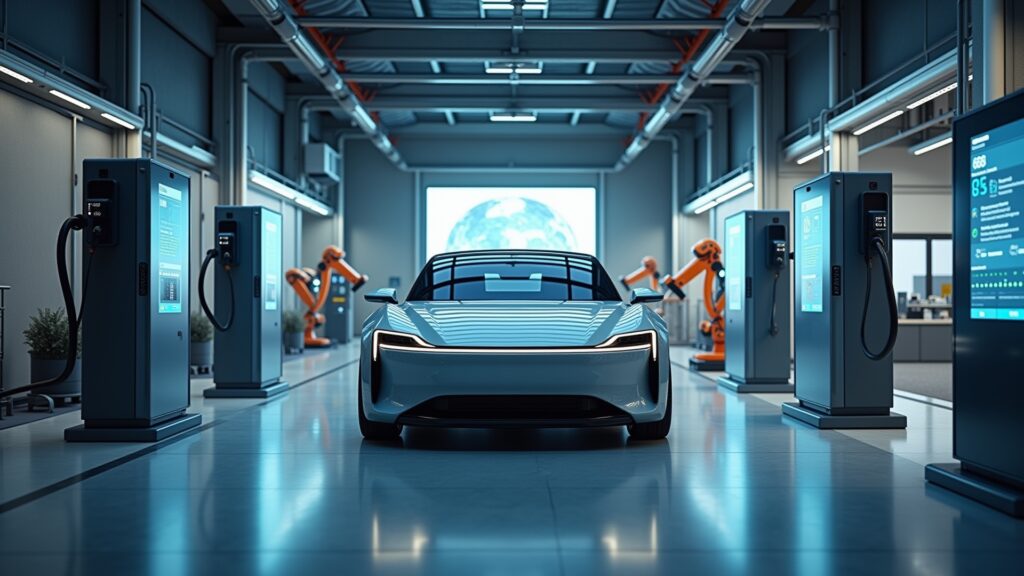
- Invest in R&D for Electrification: Leverage India’s cost efficiencies to develop EV and hybrid platforms that can compete globally. R&D investments now will secure future market relevance.
- Expand Export Footprints: Deepen your understanding of global markets and trade policies to unlock new revenue avenues beyond India’s borders.
- Build a Resilient Supplier Network: Enhance collaborations within the auto component ecosystem to support emerging vehicle technologies, including software-driven functionalities.
- Align with Policy and Sustainability Goals: Stay agile in compliance and incentive structures around EV adoption and emissions, which are shaping future demand and manufacturing priorities.
Practical Takeaways for Industry Leaders and Investors
- Understand that FY27 growth is a foundation, not a peak—plan continuous innovation and efficiency improvements.
- Monitor government regulatory trends closely, particularly regarding EV subsidies, local content requirements, and emission standards.
- For OEMs and suppliers, accelerating digital transformation in manufacturing and product development is no longer optional.
- Investors should seek companies enabling clean technology transition and digital supply chain integration as high-potential opportunities.
“In the automobile industry, speed is valuable — but strategic timing creates lasting advantage.”
“The real edge is not only in building vehicles, but in controlling the technology, supply chain, and customer experience behind them.”
Risks and Challenges to Navigate
Despite encouraging growth, several risks require your attention. Ongoing global supply chain uncertainties, raw material price volatility, and infrastructure gaps, especially in charging networks for EVs, present operational challenges. Additionally, regulatory changes can vary significantly across states, creating complexity in compliance and market strategy.
Addressing workforce skill gaps in next-generation manufacturing and software competencies is critical to sustaining momentum. Furthermore, the race to adopt cutting-edge technologies demands substantial capital expenditure and collaborative innovation, which can strain smaller suppliers and startups.
What You Should Watch Next
- Keep an eye on government policy announcements relating to EV incentives, export facilitation, and localization mandates.
- Track emerging partnerships and joint ventures as OEMs and suppliers align to develop software-defined vehicles and connected mobility solutions.
- Follow investment flows into battery, charging infrastructure, and digital manufacturing capabilities.
- Observe export trends and shifts in consumer preferences, especially in premium and electric segments.
Conclusion: Harnessing FY27 Momentum for Long-Term Advantage
India’s auto sector kick-off to FY27 signals a robust and strategically significant phase that you cannot afford to overlook. This momentum is more than growth in numbers—it is the insight into a transforming industry landscape driven by technological innovation, export expansion, and sustainability. As you position your business in this evolving market, your focus should be on leveraging localization, investing in electrified technology, building resilient supply networks, and navigating regulatory environments with agility.
Remember, “When manufacturing strength, policy clarity, and market demand align, automotive growth becomes far more scalable.” Your ability to read these signals and act decisively will define your leadership in India’s growing automotive arena and beyond.