









As an automotive business leader or stakeholder, you need to grasp why the swift implementation of the India-European Union Free Trade Agreement (FTA) is no longer just an international trade matter but a strategic imperative shaping your market’s trajectory. The delayed finalization of this agreement poses significant risks that could ripple through your manufacturing, supply chain, export potential, and ultimately, your bottom line.
Why This Matters to You
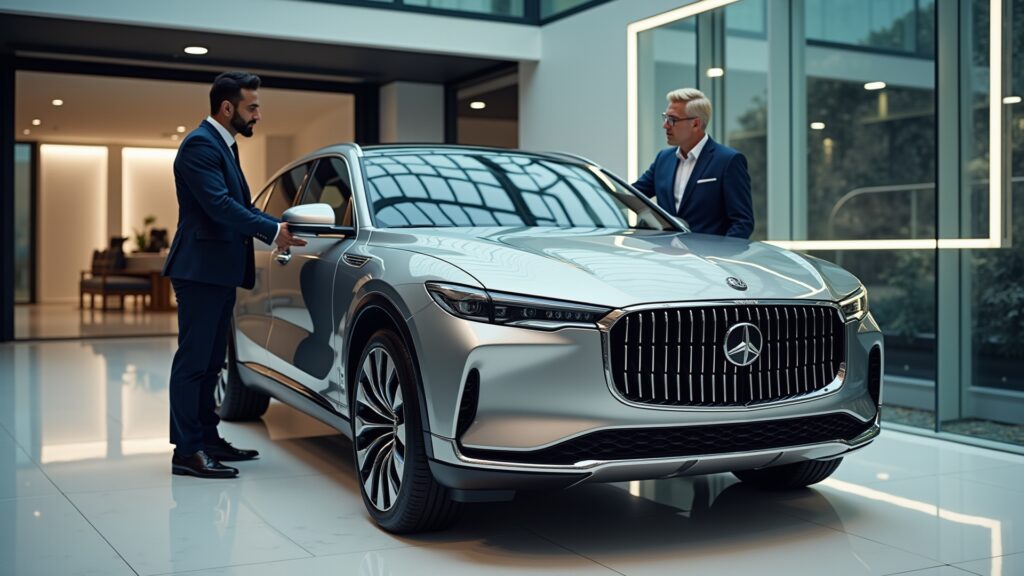
You operate in an industry where timing is intertwined with profitability and market relevance. Every postponed decision by customers can translate into missed revenue forecasts and disrupted production schedules. BMW’s recent caution to the market — that delays in the India-EU FTA could force consumers to defer vehicle purchases — isn’t a passing remark, but a direct signal to you as an OEM, supplier, or investor about the tangible consequences of regulatory inertia.
Understanding the India-EU FTA’s timely implementation empowers you to anticipate shifts in export dynamics, optimize sourcing strategies, and maintain alignment with global standards. It informs decisions on everything from capital investment in EV production lines to supply chain localization and pricing strategies sensitive to tariff changes.
What Is Happening: The Status and Stakes of the India-EU FTA
The India-EU FTA negotiations have been ongoing, yet delays have crept in, stalling what could be a game-changing trade facilitation. The agreement aims to reduce tariffs, ease customs procedures, and harmonize trade standards between India and the EU — two massive auto markets representing manufacturing might and critical consumer bases.
For you, these stalled talks bring uncertainty to your operational and strategic planning. The postponement means enduring higher tariffs, logistical bottlenecks, and regulatory disparities that undermine your efforts to scale exports or reinforce local manufacturing hubs within India.
Key Business and Automotive Impacts of the India-EU FTA
The automotive ecosystem stands to gain substantially from an accelerated trade pact:
- Reduced Tariff Costs: Tariffs currently impair price competitiveness. An immediate FTA would allow you to pass on cost efficiencies to the market, boosting sales momentum.
- Streamlined Supply Chains: Your sourcing and production can become more predictable and resilient, a crucial factor amid global supply chain volatility.
- Enhanced Export Competitiveness: With the EU as a premium market, lowering trade barriers would enhance India’s status as a preferred export hub for vehicles and components.
- EV and Hybrid Market Growth: European environmental standards and early adoption rates offer a vital outlet for your electric and hybrid fleets. Delays hinder investment flows and slow market penetration.
- Regulatory Alignment: Harmonized certifications would reduce compliance costs, facilitating faster innovation cycles and adaptive technology adoption.
Deeper Insight: Strategic Levers at Play
You must see the India-EU FTA as a strategic lever to harmonize your business ambitions and policy frameworks. As India pushes localization and EV transition aggressively, the FTA’s timely execution can catalyze investments, strengthen supplier ecosystems, and unlock economies of scale that are currently constrained by trade friction.
Internationally, the alignment with European regulatory standards is more than compliance—it’s a gateway to technology transfer, sustainability benchmarks, and premium market positioning. The trade agreement, therefore, serves not just economic goals but also innovation and environmental leadership.
“In the automobile industry, speed is valuable — but strategic timing creates lasting advantage.”
Practical Takeaways: What You Need to Know and Do
- Monitor Negotiation Developments: Stay informed on the FTA’s progress to anticipate tariff changes and supply chain impacts.
- Reassess Supply Chain Strategies: Consider supply diversification and localization in sectors most sensitive to tariffs.
- Prioritize EV and Hybrid Initiatives: Align your R&D and manufacturing investments to leverage the EU’s green vehicle market potential once tariffs diminish.
- Engage in Policy Dialogue: Industry leaders should actively collaborate with policymakers to accelerate agreement finalization and optimize trade frameworks.
- Prepare for Regulatory Harmonization: Invest in compliance capabilities that match EU standards, positioning your products for seamless market entry.
Expert Perspectives
“The real edge is not only in building vehicles, but in controlling the technology, supply chain, and customer experience behind them.”
“When manufacturing strength, policy clarity, and market demand align, automotive growth becomes far more scalable.”
Risks and Challenges You Should Consider
While the benefits of expedited FTA implementation are clear, you must also be mindful of the challenges that lie ahead if delays persist. Prolonged uncertainty risks eroding investor confidence, fragmenting supply chain partnerships, and slowing adoption of EV technologies due to constrained access to key export markets.
Moreover, without regulatory harmonization, you face escalating compliance complexities and potential competitive disadvantages against regions with more integrated trade frameworks.
What You Should Watch Next
Keep an eye on diplomatic engagements between India and the EU, trade policy announcements, and industry consortium advocacy efforts. These signals will hint at when the automotive sector can expect clear trade facilitation, enabling you to plan product launches, capital expenditures, and market positioning accordingly.
Conclusion
The accelerated implementation of the India-EU FTA is not just a policy milestone; it is a strategic business imperative that impacts you directly. By reducing trade barriers, aligning regulations, and enhancing export potential, it acts as a catalyst for growth, profitability, and sustainability in the automotive market.
Facing the global challenge of electrification, supply chain resilience, and premium market access, you must prioritize this trade agreement as a critical pillar supporting your future success. The India-EU FTA automotive impact is a lever you cannot afford to overlook in your strategic roadmap.