











As a decision-maker or stakeholder in the premium automotive sector, you understand that market dynamics extend far beyond local sales trends. The pace at which international trade agreements evolve has a direct bearing on your strategic planning, supply chain resilience, and profitability margins. The latest urgency expressed by BMW India’s CEO—to accelerate the rollout of the India-EU Free Trade Agreement (FTA)—underscores a critical inflection point for the luxury automobile market in India. You must grasp why delays can defer luxury purchases, stifle market growth, and constrain your ability to execute on emerging opportunities.
Why This Free Trade Agreement Matters to You
The India-EU FTA isn’t merely a diplomatic milestone; it represents a critical business lever in a highly competitive arena. If you are invested in luxury automotive retail, manufacturing, or supply chain operations, this agreement could redefine pricing structures, market accessibility, and consumer perceptions. You will find enhanced tariff rationalization and smoother regulatory frameworks pivotal for unlocking premium vehicle sales to India’s affluent and aspirational buyers.
For investors and auto component ecosystem players, the FTA’s rapid implementation signals a potential escalation in capital flow towards technology localization, electrification, and supply chain integration — all crucial pillars for sustaining long-term profit amid shifting market preferences.
What Is Happening in the India-EU Automotive Trade Landscape
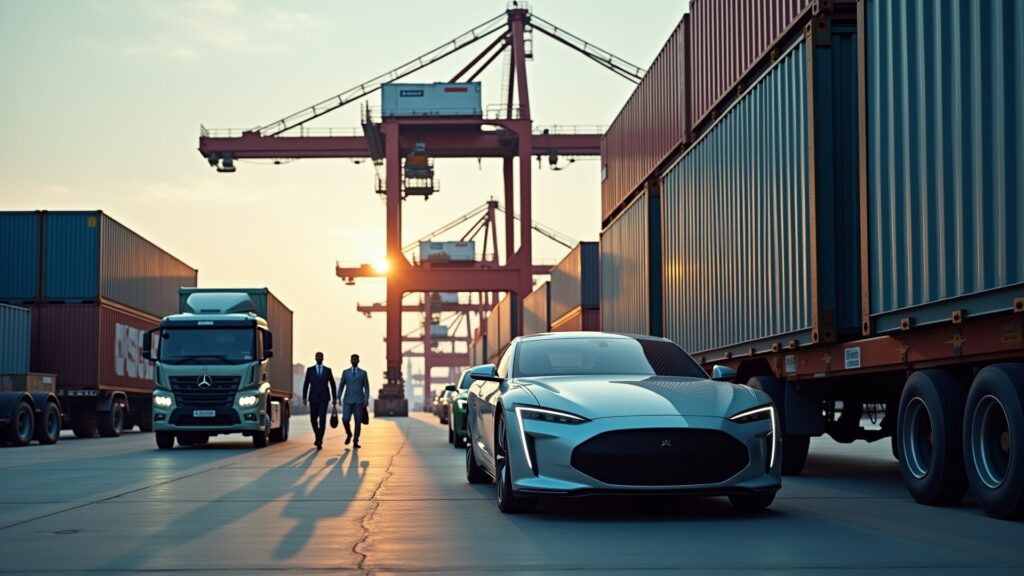
The India-EU FTA aims to reduce tariffs on imported luxury vehicles and ease regulatory bottlenecks, positioning India as a more appealing market for high-end European carmakers. BMW’s leadership voices a notable concern: delays in formalizing the agreement may lead affluent consumers to postpone purchases, thereby impacting OEM revenues and the broader luxury ecosystem.
This developmental push dovetails with India’s strategic policies encouraging greater localisation of manufacturing and electric/hybrid vehicle adoption in the premium segment. The FTA could accelerate these trends by making it more economically viable for companies to invest in India as a manufacturing hub, and for buyers to select imported luxury alternatives.
Key Impact Areas: Business, Policy, and Automotive Technology
- Tariff Reduction & Pricing Competitiveness: Lower taxes on imports will directly improve pricing structures, enabling luxury vehicles to compete more effectively against domestically produced alternatives.
- Manufacturing & Localization: Easier market access will incentivize deeper localization of components and assembly, capitalizing on India’s growing auto components manufacturing ecosystem.
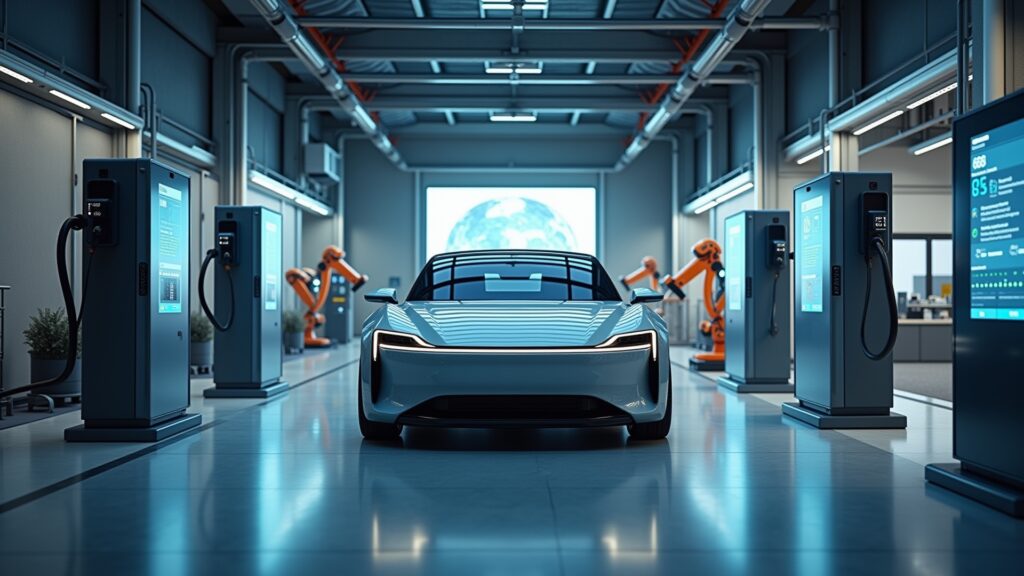
- EV and Hybrid Strategy: With policy focus intensifying on electric mobility, the FTA can boost the import and local production of advanced EV and hybrid luxury vehicles, enhancing India’s positioning in the green tech automotive sector.
- Supply Chain Resilience: An efficient FTA framework will mitigate supply chain volatility by simplifying cross-border trade, crucial for premium segment manufacturers managing just-in-time production.
- Exports and Global Competitiveness: A robust India-EU trade framework can support export-led growth, making India an attractive base for premium vehicle manufacturing aimed at global markets.
Strategic Insights: What This Means for Your Business
Speed in policy implementation translates to strategic advantage. As you benchmark your investment decisions and expansion plans, factor in how this FTA could reshape market entry economics and competitive positioning. Luxury vehicle makers like BMW are not just seeking tariff relief; they’re looking at the FTA as a catalyst for integrated supply chains and ecosystem partnerships in India that can reduce costs and expand offerings.
“In the automobile industry, speed is valuable — but strategic timing creates lasting advantage.”
The FTA represents a convergence point where India’s ambitions for localisation, export growth, and EV adoption meet European OEM technology and market access. As a leader, your preparedness to leverage this convergence could define your firm’s ability to innovate and capture market share.
Practical Takeaways for Automotive Leaders and Investors
- Monitor the India-EU FTA negotiation timelines closely to anticipate market shifts.
- Align your supply chain and manufacturing strategies to benefit from tariff reductions and improved regulatory access.
- Prioritize investment in luxury EV and hybrid technologies, leveraging the FTA’s potential to reduce entry barriers.
- Engage with policymakers and industry bodies to advocate for swift and efficient trade facilitation.
- Explore strategic partnerships within India’s auto component ecosystem to maximize local value capture and supply chain resilience.
Expert Perspective
“The real edge is not only in building vehicles, but in controlling the technology, supply chain, and customer experience behind them.”
“When manufacturing strength, policy clarity, and market demand align, automotive growth becomes far more scalable.”
Risks and Challenges to Keep in Mind
While the India-EU FTA promises multiple benefits, you should remain vigilant about risks including prolonged negotiation timelines, regulatory mismatches, and potential geopolitical uncertainties that may impact trade flows. Delays could increase cost pressures, disrupt supply chain plans, and slow down the luxury segment’s momentum.
Moreover, competition from other global markets accelerating their bilateral agreements could erode India’s relative attractiveness if the FTA rollout stalls.
What You Should Watch Next
Keep an eye on official communications regarding tariff schedules and regulatory harmonization between India and the EU. Funding announcements related to localisation and EV initiatives tied to the FTA will indicate the seriousness of execution. Additionally, monitor how OEMs recalibrate their India market strategies post-agreement finalization.
Conclusion: Why Timely India-EU FTA Rollout Is a Strategic Imperative
The India-EU Free Trade Agreement luxury auto impact is more than a market development — it is a strategic imperative that can redefine premium automotive business models, investment trajectories, and India’s place in global automotive value chains. By actively positioning yourself to capitalize on this opportunity through strategic manufacturing localisation, supply chain optimization, and technology investments, you can drive sustained growth and competitive advantage.
Delay is not just costly; it could defer the very purchases that signal confidence in the luxury automotive sector’s future. Your proactive engagement with this evolving trade landscape will be critical in setting the pace for India’s ascendancy in the global luxury mobility market.