








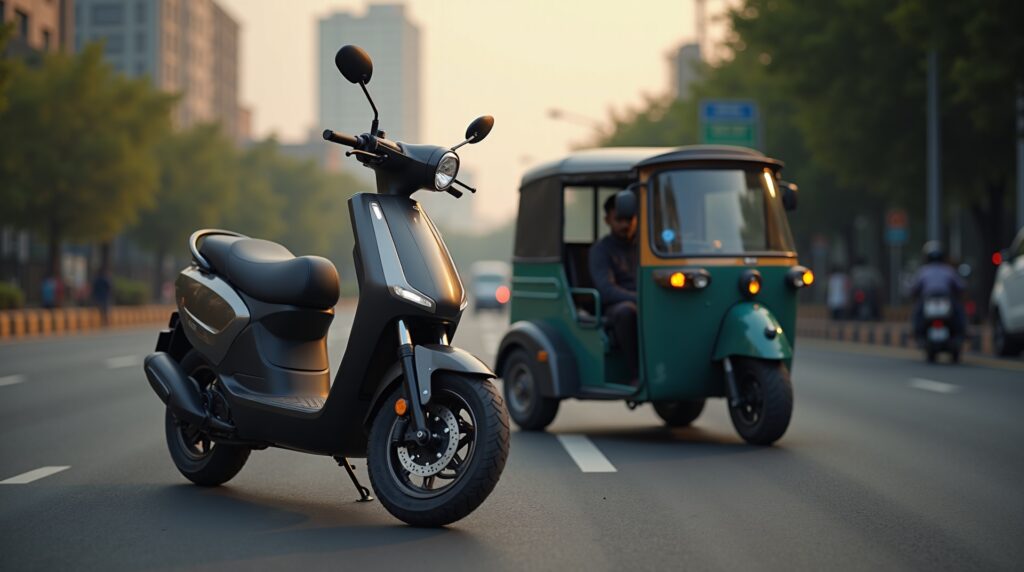
As a key player in India’s automotive landscape, you need to understand the profound implications of Delhi’s decisive announcement: the phaseout of internal combustion engine (ICE) two-wheelers (2Ws) and three-wheelers (3Ws). This move is not just a regulatory milestone but a strategic pivot that reshapes the future landscape of vehicle manufacturing, supply chains, and market demand in one of the largest urban mobility hubs of India.
Why This Matters to You
Your involvement in the automotive sector means you are directly impacted by shifts in policy that govern vehicle technology transitions. Delhi’s timeline for phasing out ICE 2Ws and 3Ws signals a clear governmental commitment towards accelerating electric vehicle (EV) adoption. If you’re an OEM, supplier, dealer, policymaker, or investor, this development serves as an early blueprint for what will soon become a nationwide mandate. Adapting your strategies, investments, and product portfolios in light of this will be critical to maintaining and enhancing your competitive edge.
The Changing Landscape: What Is Happening?
Delhi has set a definitive countdown to ban the sale and registration of ICE-powered two- and three-wheelers. These vehicles, which currently dominate last-mile mobility and urban transport, will transition primarily towards electric variants. This push reflects urban sustainability goals and aggressive policy targets aimed at tackling pollution, driving energy transition, and positioning India prominently on the global EV manufacturing map.
Strategic Business and Automotive Implications
- OEMs – Accelerate EV Innovation: For you as a vehicle manufacturer, this phaseout demands rapid product development cycles that prioritize scalable electric powertrains, improved battery chemistries, and a commitment to localisation. Your ability to pivot quickly will determine your success in a shrinking ICE market.
- Component Ecosystem – Supply Chain Realignment: Your suppliers and component manufacturers must reshape their portfolios to focus on EV-specific parts such as electric motors, inverters, battery management systems, and control electronics. The opportunity for innovation in EV aftermarket and servicing ecosystems is substantial.
- Manufacturing and Localisation: This phaseout accelerates localisation imperatives. Your strategic decisions around domestic battery cell production, assembly plants, and sourcing will reduce foreign dependency and bolster supply chain resilience.
- Investment and Infrastructure Growth: Investors and policymakers alike will need to channel capital towards robust charging infrastructure and battery ecosystem development, which are vital to sustaining long-term EV adoption and market scaling.
Deeper Strategic Insights
Delhi’s decision acts not only as a municipal regulation but as a catalyst for national policy alignment and industry transformation. For you, industry leader or investor, this means aligning your business models to the EV ecosystem’s demands. It’s about capturing market share early and scaling operations before ICE saturation declines completely.
From a global trade perspective, enhancing your localisation and export capabilities positions India as a significant EV manufacturing hub. This strategic move will help you leverage emerging international trade frameworks, reduce import costs, and mitigate supply chain disturbances.
“In the automobile industry, speed is valuable — but strategic timing creates lasting advantage.”
“The real edge is not only in building vehicles, but in controlling the technology, supply chain, and customer experience behind them.”
Actionable Takeaways for Auto Leaders and Investors
- Understand the impact of regulatory timelines on your portfolio and investment horizon.
- Monitor shifts in charging infrastructure deployment and battery production advancements closely.
- Prioritize R&D in battery technology, power electronics, and vehicle platform modularity to ensure product scalability.
- Collaborate with policymakers and industry consortia to shape supportive frameworks such as incentives, skill development, and infrastructure investments.
- Plan your supply chain transformation to emphasize localisation, reducing exposure to global shortages or tariffs.
Risks and Challenges Ahead
Despite the promise, you must navigate considerable challenges: EV affordability remains a bottleneck for mass adoption, and the build-out of a reliable, widespread charging infrastructure is still nascent. Alignment between OEMs, suppliers, policymakers, and finance partners will be essential to avoid pitfalls and create seamless transitions for consumers and businesses alike.
What You Should Watch Next
Stay alert to the evolution of policy rollouts beyond Delhi to other metropolitan areas. Legislative timelines can set market expectations and influence investment patterns nationally. Additionally, keep track of industry partnerships, joint ventures in battery manufacturing, and innovations in vehicle connectivity and software-defined functionality that enhance the EV proposition.
Conclusion: A Strategic Inflection Point for India’s EV Ecosystem
Delhi’s phaseout of ICE two- and three-wheelers is a watershed moment that you cannot overlook. It marks a strategic shift driving the Indian automotive sector deeply into electrification, localisation, and innovation. Your proactive engagement, strategic foresight, and operational agility in response to this regulatory milestone will dictate whether you lead or lag behind in India’s burgeoning EV ecosystem.
“When manufacturing strength, policy clarity, and market demand align, automotive growth becomes far more scalable.”
Embrace this transition not as a challenge but as an opportunity—one where your vision and strategy can shape the future of mobility in India and beyond.