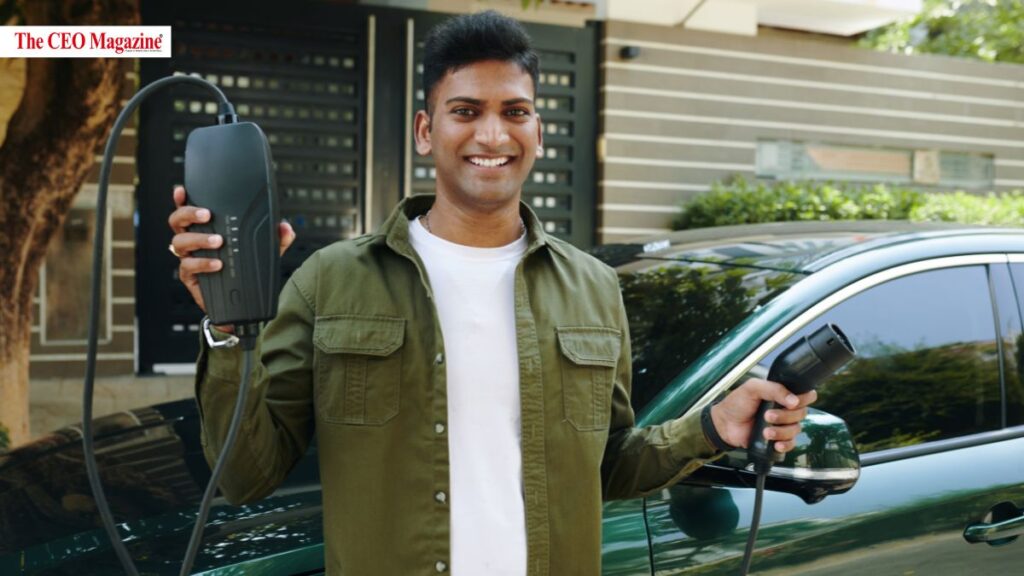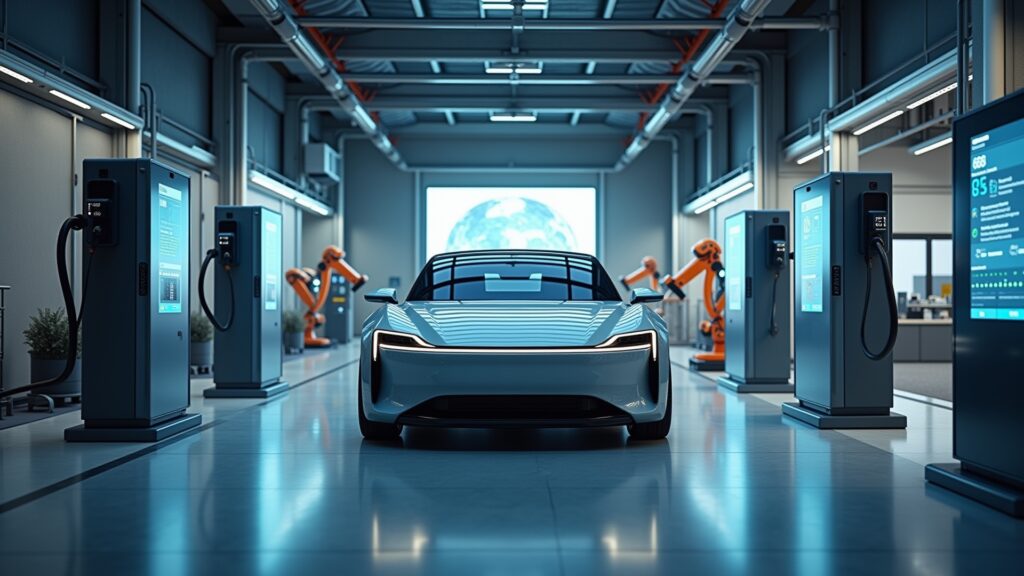
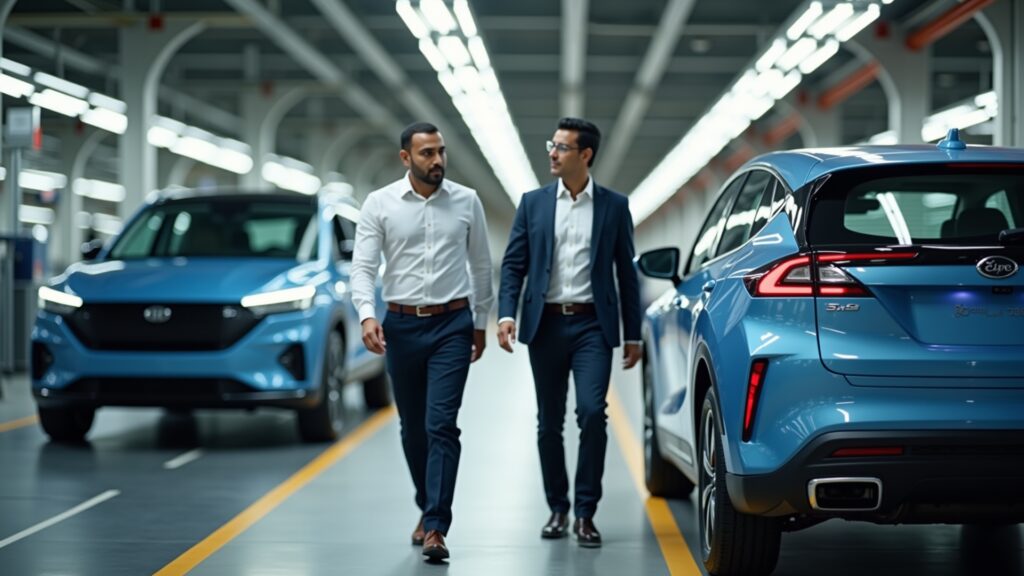
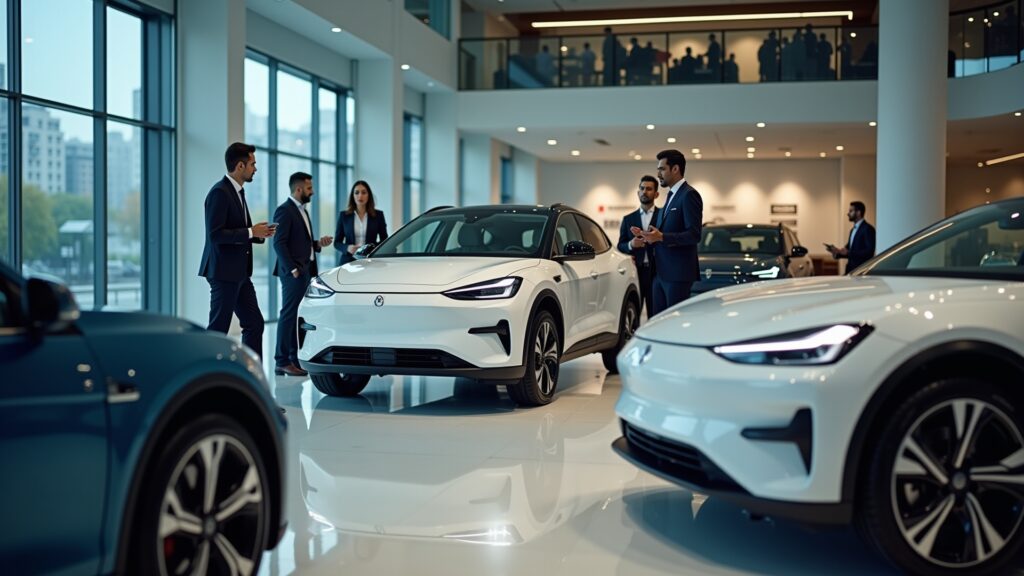










You are about to initiate on an exciting journey to create a modern multi-brand auto dealership that stands out in today’s competitive market. This guide will provide you with important insights, strategies, and best practices to successfully navigate the complexities of dealership management, from brand selection to customer experience. By leveraging innovative technologies and understanding market trends, you can establish a thriving business that caters to diverse consumer needs, drives sales, and fosters long-term loyalty.
Key Takeaways:
- Implement a unified digital strategy to streamline operations across multiple brands.
- Focus on customer experience by integrating services and creating cohesive brand messaging.
- Utilize data analytics to inform inventory management and marketing strategies for each brand.
Types of Multi-Brand Auto Dealerships
Understanding the various types of multi-brand auto dealerships is crucial for successful operation and strategy development. Each type has its unique advantages and challenges, which you must navigate to enhance your dealership’s effectiveness.
- Franchised Dealerships
- Independent Dealerships
- Variable Operations
- Fixed Operations
- Online Dealerships
This knowledge will help you choose the right model for your business.
| Type | Description |
|---|---|
| Franchised Dealerships | Operate under manufacturer brands with franchise agreements. |
| Independent Dealerships | Sell various brands without manufacturer affiliation. |
| Variable Operations | Focus on selling vehicles and related products. |
| Fixed Operations | Provide service, parts, and customer support. |
| Online Dealerships | Operate primarily through e-commerce platforms. |
Franchised Dealerships
Franchised dealerships operate through agreements with manufacturers, giving you access to brand-specific vehicles and marketing support. These dealerships benefit from established brand recognition and customer loyalty, often requiring substantial investment in facilities and training. Furthermore, your dealership must adhere to manufacturer standards, which can include sales goals and service protocols.
Independent Dealerships
Independent dealerships allow you greater flexibility in the types of vehicles you sell, not being tied to specific manufacturers. This model provides potential for higher profit margins since you can source vehicles from various auctions and trade-ins. You have the autonomy to create your brand identity, adjusting your inventory based on customer demand and market trends.
Running an independent dealership comes with its own set of challenges, such as managing inventory diversity and maintaining a competitive edge in pricing. Effective marketing strategies tailored to your target segment can elevate your dealership’s presence. With an emphasis on customer service and unique offerings, you have the opportunity to carve out a significant niche in your market. Moreover, leveraging online platforms boosts your visibility and can attract a broader audience, contributing to your dealership’s growth and sustainability.
Key Factors to Consider
When building a modern multi-brand auto dealership, it’s vital to evaluate various key factors that can significantly influence your success. These components include:
- Location and market analysis
- Brand selection and partnerships
- Operational efficiency
- Customer experience management
- Technological integration
After assessing these factors, you can better position your dealership for growth and sustainability.
Location and Market Analysis
Your dealership’s location plays a vital role in its overall performance. Analyze demographics, traffic patterns, and competitors in the area to identify a site where potential customers converge. Utilize tools like geographic information systems (GIS) to extract meaningful insights from data, ensuring strategic decisions are data-driven and tailored to your target audience.
Brand Selection and Partnerships
Selecting the right brands to represent is fundamental to your dealership’s brand identity and market appeal. You’ll want to choose manufacturers whose products complement each other while also catering to various customer segments, increasing your market potential. Establishing strong partnerships with these brands also involves negotiating competitive terms that ensure profitability and operational support.
Your choice of brands should not only reflect current market trends but also align with your dealership’s vision and customer expectations. Consider regional preferences, brand equity, and the availability of vehicles that meet diverse consumer needs. Partnerships can involve promotional agreements or co-hosted events that draw customers into your dealership. Successful collaborations often lead to enhanced marketing resources and exclusive incentives for your customers, providing a significant edge in a competitive marketplace.
Step-by-Step Guide to Building Your Dealership
| Step | Description |
|---|---|
| Developing a Business Plan | Outline your dealership’s vision, market strategy, and financial projections. |
| Securing Financing and Investments | Identify funding sources, including loans, investors, and grants. |
| Setting Up Operations | Establish your physical location, staffing, and technology systems. |
Developing a Business Plan
Your business plan serves as the roadmap for your dealership, detailing how you plan to succeed in a competitive market. Include sections addressing your target audience, competitor analysis, marketing strategies, and revenue projections. A comprehensive plan not only guides your actions but also attracts potential investors and lenders who seek assurance of your dealership’s viability.
Securing Financing and Investments
Finding appropriate funding for your dealership involves exploring various financial avenues to ensure you have sufficient capital for startup and operational costs. You may work with financial institutions, venture capitalists, or consider government grants tailored for small businesses. Diverse funding sources could provide the necessary flexibility and support for your dealership’s growth.
Consider preparing a detailed pitch that highlights your business’s unique selling proposition and market potential when approaching potential investors. Aim to emphasize how your multi-brand approach differentiates your dealership from competitors, illustrating projected financial performance and risk assessment. Presenting a solid financial model can significantly enhance your chances of securing the required investments.
Setting Up Operations
When setting up operations, you must choose a site that offers visibility and accessibility to your target demographic. Implement efficient management systems that streamline everything from inventory management to customer relationship management. Hiring experienced staff who align with your dealership’s values and training them effectively will lay a stable foundation for exceptional customer service.
Establish operational workflows, including sales processes and aftersales support, to ensure all aspects are cohesive and efficient. Invest in technology upgrades to enhance customer interaction and service quality. By creating a seamless operational framework, you foster a positive atmosphere that ultimately enhances customer satisfaction and loyalty.
Tips for Success in the Multi-Brand Market
To thrive in the multi-brand automotive landscape, focus on a few pivotal strategies that can enhance your dealership’s performance.
- Understand your target audience and their preferences.
- Leverage technology for a seamless customer experience.
- Invest in employee training and development.
- Monitor market trends and adapt accordingly.
The commitment to these strategies can significantly improve your competitive edge.
Marketing Strategies
Effective marketing strategies are imperative in attracting and retaining customers for your multi-brand dealership. Utilize targeted online advertising, engage in social media campaigns, and conduct community events to promote your diverse inventory. Personalized email marketing can also enhance customer connections, while SEO-optimized content drives traffic to your website, showcasing the brands you offer.
Customer Relationship Management
Implementing a robust customer relationship management (CRM) system is vital for your dealership’s success in the multi-brand market. A well-structured CRM can help you track customer interactions, preferences, and purchase history, allowing for personalized service and targeted marketing.
Using a CRM not only streamlines communication but also increases customer retention. With tools to segment your audience based on data, you can deliver tailored promotions that resonate with their needs. For example, if a customer frequently services a specific brand, you can notify them about relevant offers or updates, fostering loyalty and repeat business. This approach ultimately enhances the overall customer experience, encouraging referrals and positive reviews, which are imperative in a competitive environment.
Pros and Cons of Multi-Brand Dealerships
| Pros | Cons |
|---|---|
| Diverse inventory attracts a wider customer base. | Complex management structures can arise. |
| Cross-selling opportunities enhance sales. | Brand identity dilution may occur. |
| Risk diversification reduces reliance on a single brand. | Increased training needs for staff. |
| Ability to leverage economies of scale. | Higher initial investment costs. |
| Flexibility in adapting to market changes. | Potential for inter-brand competition. |
| Enhanced customer loyalty through varied offerings. | Complexities in marketing strategies. |
| Access to multiple revenue streams. | Management of multiple supplier relationships. |
| Opportunity for comprehensive service offerings. | Regulatory compliance challenges. |
| Innovation from sharing best practices. | Challenges in maintaining brand standards. |
| Potential for higher overall dealership profitability. | Higher operational costs per location. |
Advantages of Diversity
In a multi-brand dealership, the advantages of diversity extend beyond mere choice for customers. By showcasing various manufacturers, you can effectively cater to a broader audience with differing preferences and priorities. This diversity not only attracts a wider customer demographic but also enhances your ability to meet various market demands, leading to increased customer satisfaction and retention. Implementing strategies that leverage this broad inventory can significantly elevate your dealership’s reputation and sales performance.
Challenges to Anticipate
Operating a multi-brand dealership brings a unique set of challenges that require careful planning and management. One significant challenge is maintaining brand integrity across different manufacturers, which often have varied dealership standards and expectations. You also must be prepared to educate your staff extensively to ensure they understand the nuances of each brand, which can be time-consuming and resource-intensive. Moreover, you might need to adopt complex marketing strategies to promote multiple brands effectively, which can strain your budget and resources.
Navigating regulatory compliance adds another layer of complexity, as each brand may have different legal requirements influencing operations. Additionally, inter-brand competition can diminish the potential synergies you hope to achieve when creating a cohesive dealership experience. Recognizing these challenges early on allows you to implement strategic plans that can mitigate potential pitfalls, ensuring that your multi-brand dealership operates smoothly and profitably.
Trends in the Multi-Brand Auto Industry
The multi-brand auto industry is evolving rapidly, driven by technological advancements and shifting consumer expectations. Increased demand for electric vehicles (EVs) and sustainable practices is reshaping dealership offerings. You must stay informed about these trends to maintain a competitive edge in a market characterized by constant change and innovation.
Technology Integration
Integrating advanced technology into your dealership operations enhances efficiency and customer engagement. For example, utilizing customer relationship management (CRM) systems allows you to track interactions and personalize communications. Additionally, implementing virtual reality and augmented reality tools can revolutionize the vehicle shopping experience, allowing customers to explore options remotely.
Consumer Preferences
Today’s consumers prioritize convenience and are increasingly looking for a seamless online-to-offline shopping experience. Data shows that nearly 80% of buyers conduct online research before visiting dealerships, highlighting the importance of a robust digital presence. Furthermore, eco-conscious consumers are shifting towards brands with strong sustainability initiatives, making it important for you to feature green options prominently.
You may find that consumer preferences are heavily influenced by factors such as digital engagement and transparency. Research indicates that 70% of consumers prefer online communication for inquiries, which underscores the necessity of developing strong digital touchpoints. Additionally, transparent pricing and detailed vehicle history reports cater to the demand for trust and integrity in the purchasing process. Aligning your dealership’s approach with these preferences will foster loyalty and drive sales in a competitive environment.
Final Words
On the whole, building a modern multi-brand auto dealership requires careful planning and execution. You must focus on creating an adaptable business model that meets the varied needs of consumers while integrating the latest technologies and innovative marketing strategies. By prioritizing customer experience, ensuring seamless operations, and fostering strong brand partnerships, you can position your dealership for long-term success in a competitive market. Your commitment to excellence will not only enhance your brand but also drive profitability and loyalty among your customers.
FAQ
Q: What are the key benefits of operating a multi-brand auto dealership?
A: Operating a multi-brand auto dealership allows dealers to appeal to a wider customer base by offering diverse vehicle options. It enhances cross-selling opportunities and can boost overall sales volume, as customers may choose one brand over another based on their preferences. Additionally, having multiple brands can stabilize revenue, as fluctuations in one brand’s sales can be offset by others.
Q: How do I effectively manage inventory for a multi-brand dealership?
A: Effective inventory management involves implementing advanced software solutions that track each brand’s sales and stock levels. Regularly analyzing market demand and trends ensures that popular models are supported while minimizing overstock on less popular vehicles. Building strong relationships with manufacturers also aids in negotiating inventory terms and acquiring in-demand vehicles.
Q: What marketing strategies work best for a multi-brand dealership?
A: Successful marketing strategies include targeted online advertising that highlights the unique attributes of each brand, creating engaging content on social media platforms, and leveraging email marketing campaigns tailored to specific customer interests. Hosting events and promotions that showcase multiple brands can also attract potential buyers and increase showroom traffic.