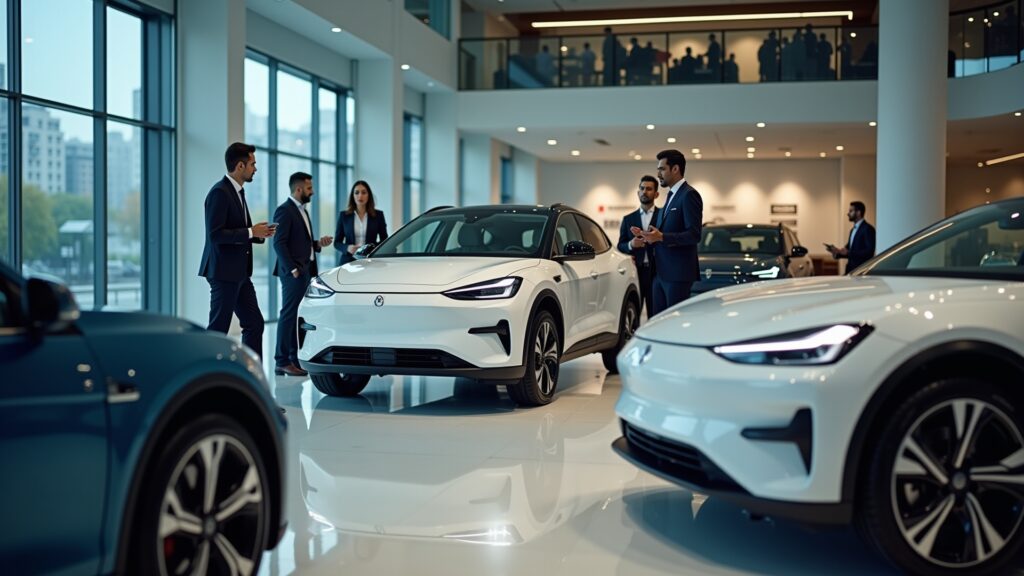










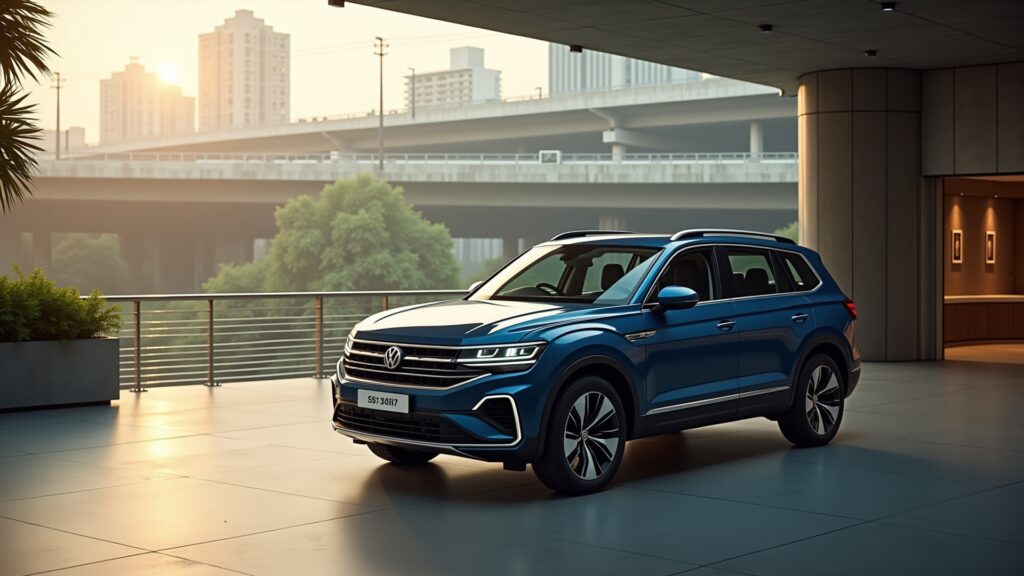
As an automotive decision-maker, you understand that shifting market dynamics demand precise strategic alignment. Volkswagen Group’s clear objective to secure a 5% share of India’s passenger vehicle market by 2030 is not just another regional expansion plan—it is a calculated move aimed at embedding the brand deeply into one of the world’s fastest-evolving automotive sectors. By focusing on the sub-4 metre SUV segment, Volkswagen is setting a crucial benchmark that could redefine competitive positioning, manufacturing priorities, and product development within India’s distinct automotive ecosystem.
Why Volkswagen’s India Strategy Should Matter to You
If you are leading or investing in the automotive industry, VW’s strategy signals where growth, competition, and innovation will concentrate over the next decade. India’s sub-4 metre SUV segment represents a highly lucrative, policy-favored market with immense consumer demand tailored to urban mobility and affordability. Understanding VW’s market play offers you insights into anticipating changes in consumer preferences, supply chain demands, and technology integration that could impact your operations and investment choices.
What You Need to Know About VW’s Move
Volkswagen’s ambition to capture 5% market share by 2030 hinges on two critical factors: localization and product relevance. The sub-4 metre SUV category is a segment shaped by India’s regulatory framework, particularly tax incentives that favor smaller vehicles, and by a rising urban middle class valuing compactness, efficiency, and versatility. VW’s entry into this space exemplifies a strategic pivot from global luxury and mass-market vehicles to a more localized, consumer-centric portfolio.
Strategic Business and Market Implications
- Localisation and Manufacturing: Achieving this market share will demand significant investment in local manufacturing capabilities and deep integration into India’s supply chains, aligning with government policies encouraging self-reliance and export-driven growth.
- Product Development Aligned to Consumer Behavior: Your approach to vehicle design and portfolio strategy must reflect India’s urbanization trends, tax structures, and growing preference for SUVs that combine premium features with affordability.
- EV and Hybrid Potential: Even though VW did not officially disclose electrification plans in this announcement, the broader industry context and regulatory trajectory in India make hybrid and electric powertrain integration a likely and necessary evolution for competitive parity and compliance.
- Investment in Retail and R&D: The scale-up calls for expanded dealership networks, customized consumer engagement strategies, and innovation hubs focused on India-specific challenges and preferences.
Broader Industry and Policy Context Insights
For an OEM or supplier, the opportunity and challenge lie in navigating a rapidly localizing automotive ecosystem intensified by EV adoption and regulatory mandates. Sub-4 metre vehicles benefit from preferential tax policies that substantially influence cost structures and consumer pricing strategies, setting the stage for intense competition and innovation.
VW’s focus signals a shift where global OEMs are no longer only importing global models but are increasingly committing to country-specific platforms optimized for competitive and regulatory advantages. This also presents strategic openings for local suppliers and component manufacturers to partner and expand.
In-Depth Strategic Perspective
“In the automobile industry, speed is valuable — but strategic timing creates lasting advantage.” Volkswagen’s deliberate entry into the sub-4 metre SUV segment shows a nuanced understanding that success in India requires more than global brand strength. You must integrate market-specific data, regulatory insight, and supply chain robustness to achieve breakthroughs.
For you, this means recalibrating product strategies considering urban mobility needs and regulatory incentives, while also embracing emerging technologies like electrification and connected vehicle capabilities. The scale of localization and innovation required cannot be overstated.
Practical Takeaways for Automotive Stakeholders
- Understand that the sub-4 metre SUV segment will be a critical battleground—plan your product roadmap accordingly.
- Invest in deep local supply chain integration to maintain cost competitiveness while ensuring flexibility amid regulatory shifts.
- Monitor policy developments around taxation and emission norms that directly impact product viability.
- Augment your R&D focus on hybrid and EV technologies to stay relevant as future regulations and consumer demand evolve.
- Scale your dealerships and market presence with tailored local strategies to build brand dominance.
Editorial Insights
“The real edge is not only in building vehicles, but in controlling the technology, supply chain, and customer experience behind them.”
“When manufacturing strength, policy clarity, and market demand align, automotive growth becomes far more scalable.”
Risks and Cautions to Consider
While VW’s strategic aspirations are clear, this journey is not without challenges. You must be alert to geopolitical uncertainties affecting supply chains, evolving emission norms that can complicate product strategy, and the capital intensity required to establish strong localisation without compromising profitability. Additionally, heightened competition as other OEMs intensify focus on the sub-4 metre SUV segment could pressure margins and market share growth.
What to Watch Next in India’s Automotive Space
Keep a close eye on VW’s product launch timelines, localisation milestones, and technological roadmap. Also monitor policy shifts—especially relating to EV incentives and taxation—as these will significantly influence the competitive landscape. Advances in connected vehicle technology and battery ecosystem development will also inform how the Indian passenger vehicle market evolves over the coming years.
Conclusion: VW’s Strategy as a Bellwether for India’s Auto Industry
Volkswagen India’s 5% market share target and sub-4 metre SUV focus provide a strategic lens through which to examine the broader themes shaping India’s automotive future. This approach highlights the essential interplay of localisation, product-market fit, and technology adaptation necessary to thrive in this competitive environment.
For you, whether as an OEM, supplier, investor, or policymaker, this signals a call to action. Integrate market intelligence with scalable operational strategies, embrace technological shifts proactively, and position your business to capitalize on the burgeoning sub-4 metre SUV market. Doing so will define leadership and profitability throughout the next decade in India’s passenger vehicle arena.