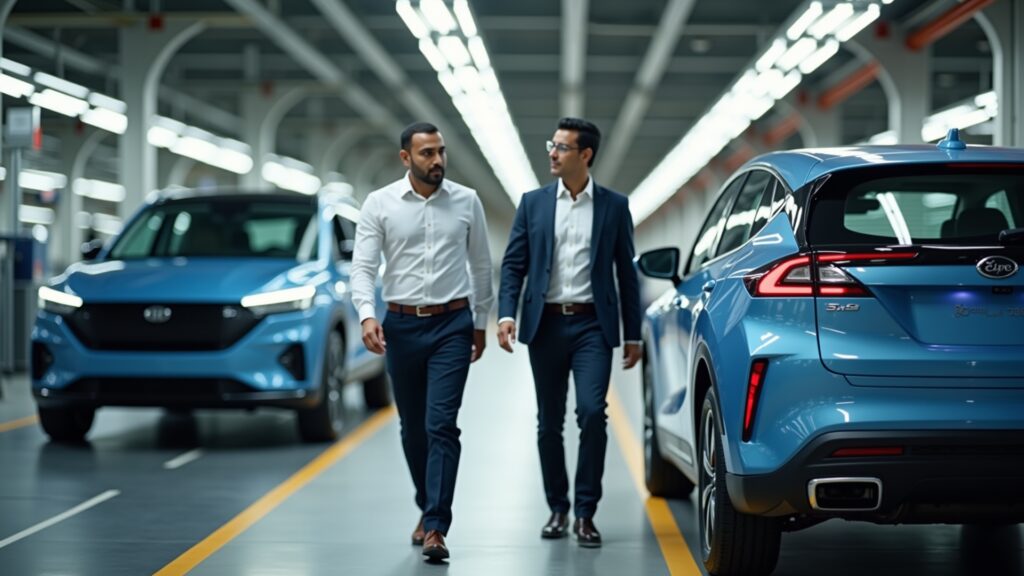
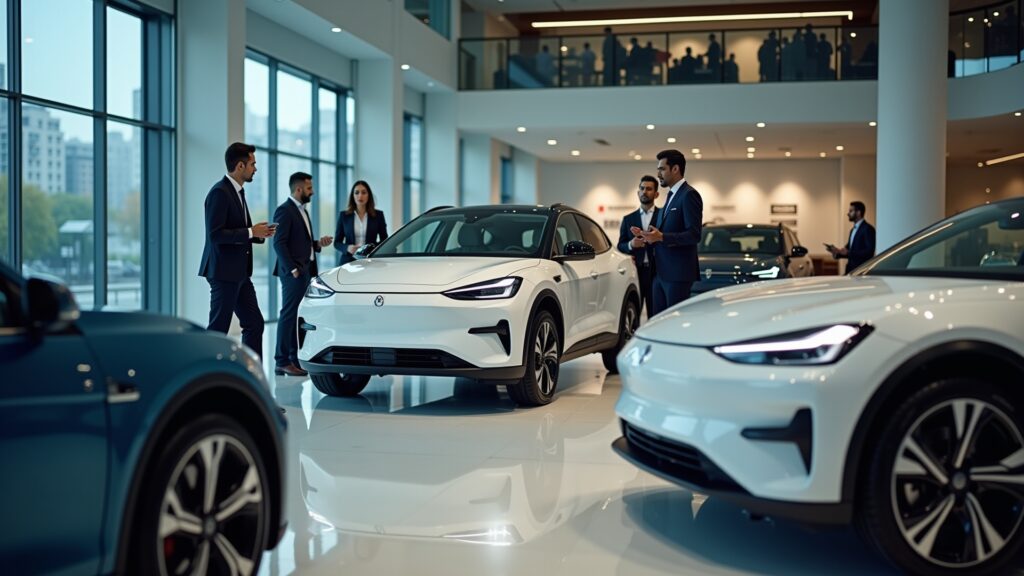











As an industry leader, you’re facing a pivotal moment with India projected to become the world’s largest automobile market by 2030, as underscored by Union Minister Nitin Gadkari. This is not just a headline about market size—it’s a strategic portent that demands your attention and action across your business and operational models. Understanding this transformation is key to positioning yourself competitively on the global automotive stage.
Why This Projection Matters to You
You should recognize that India’s emergence as the largest auto market will reshape supply chains, consumer dynamics, manufacturing strategies, and innovation imperatives. Your investments, partnerships, and product lineups must align with this anticipated growth trajectory and the infrastructural and regulatory frameworks that will accompany it.
Whether you helm an OEM, are part of the auto components ecosystem, an investor, or policy influencer, this forecast signals a redefining horizon of opportunities and challenges— from electrification momentum to export potential, localization imperatives, and sustainability benchmarks.
What is Happening in the Indian Automotive Landscape?
India already ranks among the world’s largest automotive markets. Its growing middle class, rapid urbanization, and rising purchasing power fuel demand buoyed by government initiatives supporting clean energy and manufacturing localization. The aspiration to become the largest market by 2030 envisions more than volume growth — it implies an ecosystem shift encompassing EVs, hybrid vehicles, smart manufacturing, and resilience in supply chains.
Key Business and Market Impacts
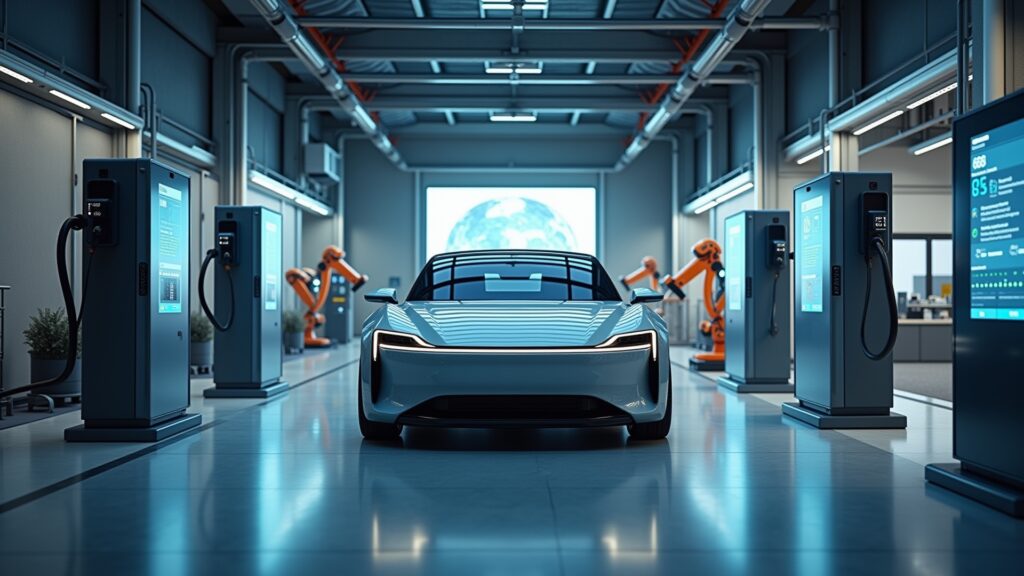
- Electrification and Sustainability: You must place innovation in electric vehicles and hybrid technologies at the center of your strategy. Advancements in battery technology, charging infrastructure, and sustainable sourcing will differentiate you in a market accelerating towards decarbonization.
- Manufacturing and Localization: To serve an expanding and price-sensitive market, deep localization of parts and materials is non-negotiable. This also fortifies your supply chain against global disruptions—strengthening cost competitiveness and operational agility.
- Investment in Capacity and Infrastructure: Scaling production and expanding supporting infrastructure—including logistics and digital retail networks—will be essential for capturing India’s heterogeneous consumer base effectively.
- Policy and Regulatory Environment: Stay vigilant to evolving government incentives, emissions and safety standards, and frameworks for connected and autonomous vehicles shaping your R&D and compliance roadmaps.
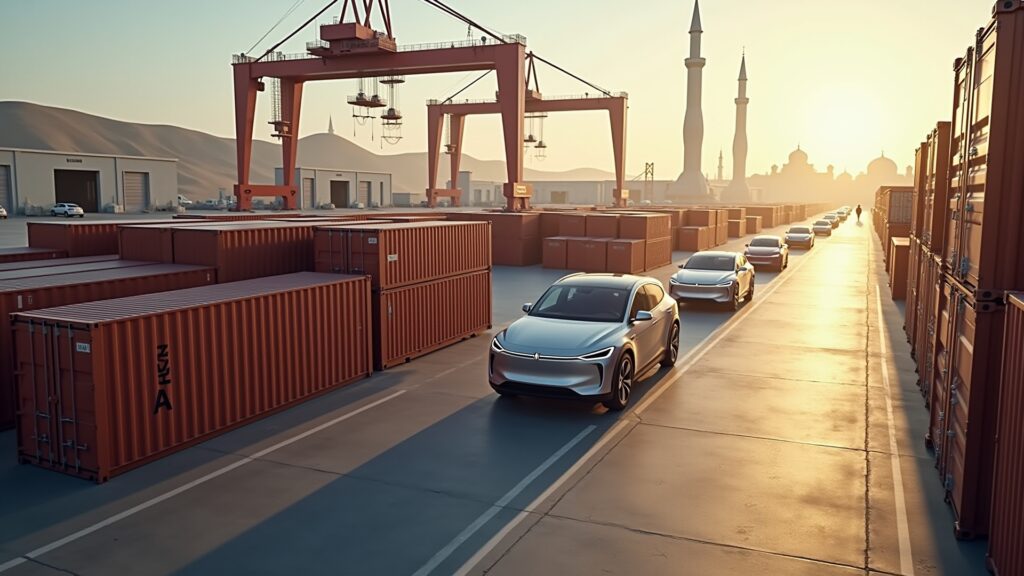
- Global Trade and Export Potential: As supply chains diversify post-pandemic, India’s rise as a manufacturing hub opens export windows. You can leverage this to scale operations profitably while contributing to India’s economic growth narrative.
Strategic Insights: What This Means for Your Business Approach
This forecast is a strategic signal urging you to recalibrate your capital allocation towards scalable, future-ready technologies and digital transformation. Collaborations and partnerships within the rapidly evolving EV ecosystem and supply chain will be crucial for innovation and market penetration.
Component manufacturers, in particular, have an unprecedented opportunity to embed advanced materials, automation, and smart manufacturing to meet OEM expectations effectively. Policymakers must maintain a delicate balance—supporting growth ambitions while ensuring sustainable, inclusive policies that foster innovation without compromising the environment or social responsibilities.
“In the automobile industry, speed is valuable — but strategic timing creates lasting advantage.”
“The real edge is not only in building vehicles, but in controlling the technology, supply chain, and customer experience behind them.”
Practical Takeaways for Industry Leaders
- Prioritize electrification strategies with a focus on local battery material sourcing and charging infrastructure development.
- Deepen localization efforts in production and supply chains to mitigate risks from global trade volatility and raw material shortages.
- Invest strategically in digital transformation to optimize manufacturing efficiencies and enhance retail experiences.
- Engage proactively with policymakers to influence and adapt to evolving regulatory landscapes around emissions, safety, and connected vehicle technologies.
- Monitor global supply chain trends to leverage export opportunities while supporting India’s positioning as a robust manufacturing hub.
Risks and Challenges to Navigate
While the growth outlook is promising, you must be mindful of potential obstacles. These include technological disruptions, infrastructure gaps, regulatory uncertainties, and competition both domestically and from global OEMs. There is also the challenge of aligning sustainability ambitions with cost structures in a deeply price-sensitive market.
Balancing rapid scale-up while maintaining quality and innovation will test your organizational agility and foresight.
What You Should Watch Next
Keep a close eye on policy announcements related to EV incentives, safety and emission norms, and infrastructure investments. Watch for developments in battery technologies, charging networks, and supply chain localization initiatives. Pay attention to industry consortiums and partnerships that shape the ecosystem, as these will be instrumental in defining competitive advantages.
Market data on consumer purchase trends, financing models, and digital retail innovations will also provide critical signals for tactical adjustments.
Conclusion: Seizing India’s Ascendancy as the Largest Auto Market by 2030
Nitin Gadkari’s vision is a blueprint for transformation — and for you, it signals urgency and opportunity. To capitalize on India becoming the largest auto market by 2030, your strategic focus must integrate technological innovation, sustainability practices, robust localization, and smart policy engagement.
Aligning these elements with operational agility and collaborative industry-government efforts will empower you to not only ride this growth wave but to lead in the evolving global automotive ecosystem.
“When manufacturing strength, policy clarity, and market demand align, automotive growth becomes far more scalable.”