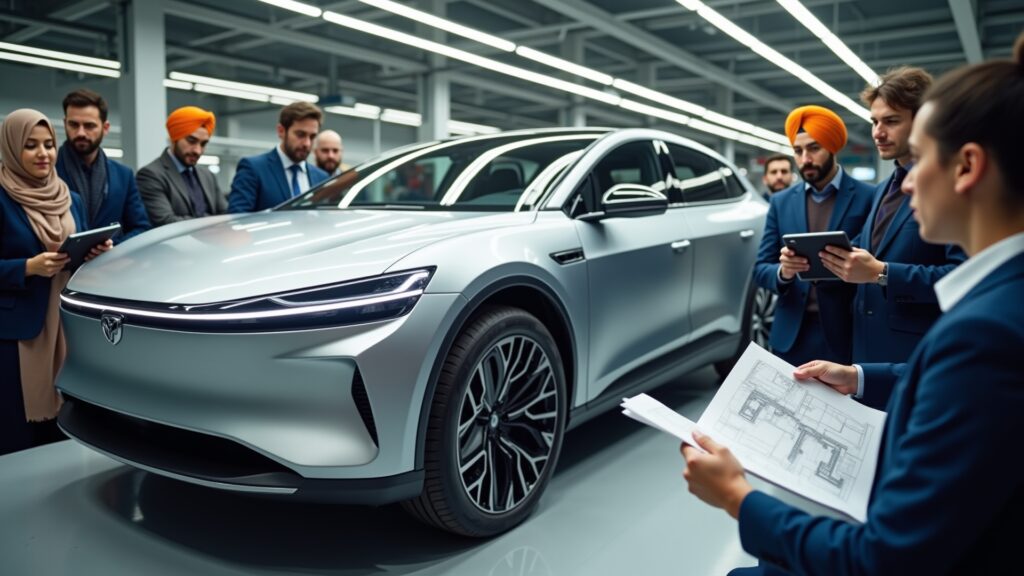












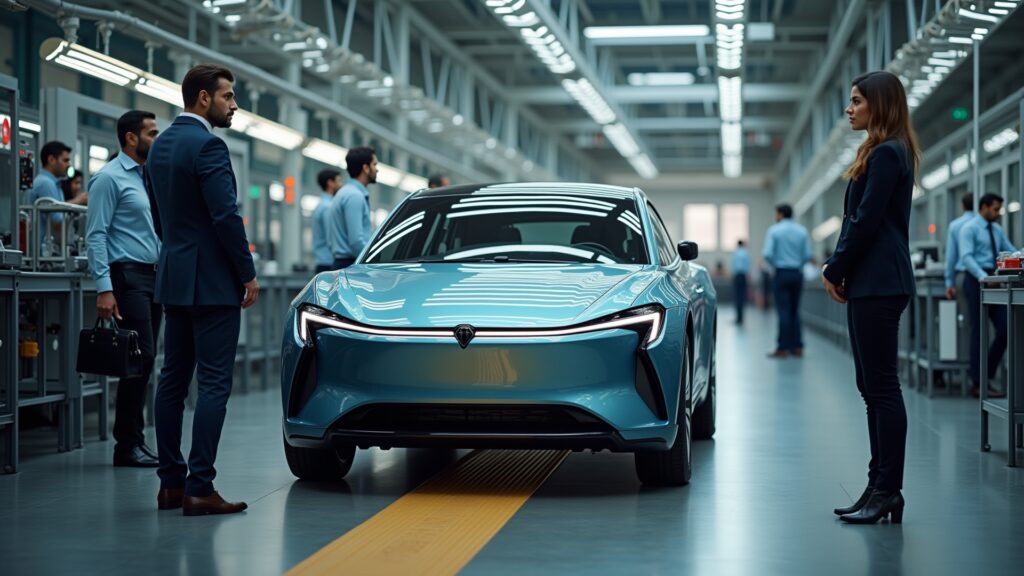
You, as a leader or stakeholder in the automotive ecosystem, are witnessing a pivotal moment. India is on the verge of surpassing two of the world’s largest car markets—China and the United States. This shift is not just about volume but signals a transformation in automotive business strategy, manufacturing dynamics, and technology innovation. Understanding India’s emerging role is essential for shaping your strategic decisions in a global automotive landscape that’s rapidly evolving.
Why This Development Should Matter to You
The rise of the India automotive market growth to a position ahead of China and the US isn’t merely a statistic—it’s a strategic inflection point. If your business or investments are tied to original equipment manufacturers (OEMs), component suppliers, or mobility technology, this shift will influence supply chains, manufacturing footprints, and product innovation. India’s growth also reflects deeper systemic changes, driven by policy frameworks, localisation thrust, and a clear vision toward electric and hybrid vehicle adoption. Aligning your strategy now can unlock new market opportunities and supply chain resilience.
What Is Happening in India’s Automotive Sector?
India’s automotive ecosystem is redefining itself on multiple fronts. The government’s robust policy support aggressively promotes localisation—by incentivising domestic manufacturing, enhancing export capabilities, and building EV-friendly infrastructure. These measures are fostering a supply chain ecosystem that is nimble and increasingly self-sufficient.
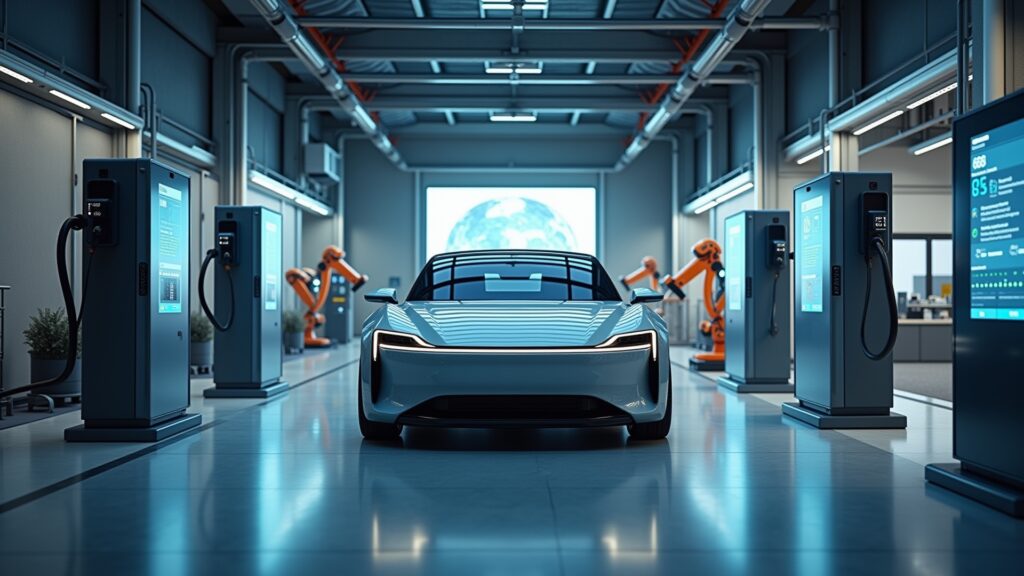
Simultaneously, the electric and hybrid vehicle segments are expanding rapidly, powered by state-backed incentives and private sector innovation. India is also integrating advanced technologies such as AI in manufacturing processes and connected vehicle platforms, positioning itself as a hub for both volume production and technology development.
Key Strategic Implications for Your Business
Your approach to the India automotive market growth must embrace several strategic dimensions:
- Localisation & Supply Chain Resilience: Increasing local content reduces dependency on volatile global supply chains, mitigating risks exposed by recent geopolitical and pandemic disruptions.
- EV & Hybrid Leadership: India’s policy emphasis on electric vehicles aligns with global decarbonisation goals, creating a fertile ground for EV powertrain technology, battery innovation, and charging infrastructure advances.
- Export and Global Competitiveness: India’s expanding export capabilities mean you can leverage the country as a production hub servicing international markets, benefiting from cost efficiencies and trade agreements.
- Technology and Software-Defined Vehicle Development: OEMs and suppliers that invest in connected vehicle software and AI-enabled manufacturing processes in India will position themselves at the forefront of mobility innovation.
Deeper Strategic Insights
This ongoing transformation makes clear the importance of acting with both urgency and precision. India is not just growing in volume but advancing in quality and technological sophistication. Your decisions surrounding partnerships, localisation investments, and technology adoption will differentiate winners in this new global automotive order.
“In the automobile industry, speed is valuable — but strategic timing creates lasting advantage.”
The convergence of policy support, manufacturing agility, and a strong consumer base enhances India’s strategic value beyond traditional production. This convergence invites you to rethink how you develop products, manage supply chains, and scale innovation globally.
Practical Takeaways for Automotive Leaders and Investors
- Understand the implications of India’s localisation policies and integrate them into your sourcing and manufacturing strategies.
- Prioritise investments in EV and hybrid technologies that align with India’s sustainability goals and market incentives.
- Monitor India’s export growth trends to evaluate India as a competitive manufacturing and export hub.
- Engage with policy developments around charging infrastructure and battery ecosystem to capitalize on emerging opportunities.
- Explore collaboration or JV opportunities for accessing connected vehicle and software-defined mobility advancements.
Expert Perspectives
“The real edge is not only in building vehicles, but in controlling the technology, supply chain, and customer experience behind them.”
“When manufacturing strength, policy clarity, and market demand align, automotive growth becomes far more scalable.”
Risks and Challenges You Should Consider
Despite the promising trajectory, the path ahead includes challenges that can affect your strategies. Infrastructure bottlenecks, regulatory harmonisation across states, and the need for skilled workforce development remain critical hurdles. In addition, the competitive landscape will intensify as global players ramp up investments in India, pressuring margins and innovation cycles.
Being prepared to navigate regulatory uncertainties, investing in workforce training, and establishing agile supply chains will be crucial for sustained leadership.
What to Watch Next in India’s Automotive Evolution
Stay alert to policy shifts, particularly those accelerating EV adoption and export incentives. Watch infrastructure projects focused on battery manufacturing and charging networks, as they will shape market readiness. Also, monitor partnerships between India-based OEMs and global tech players, which signal emerging ecosystems around software-defined vehicles and connected mobility.
Conclusion: Position Yourself for India’s Automotive Market Growth
India’s automotive market growth is more than a headline trend; it is a transformative opportunity reshaping global automotive strategy. By aligning your business with India’s localisation push, embracing the EV transition, and integrating manufacturing and technology innovation, you position yourself at the forefront of a new automotive era.
As you navigate this shifting environment, remember: the future belongs to those who anticipate the market’s direction and invest decisively in technology, policy alignment, and operational agility. India’s rise underscores that to lead globally, your vision must include emerging hubs where innovation meets scale and sustainability is an imperative, not an afterthought.