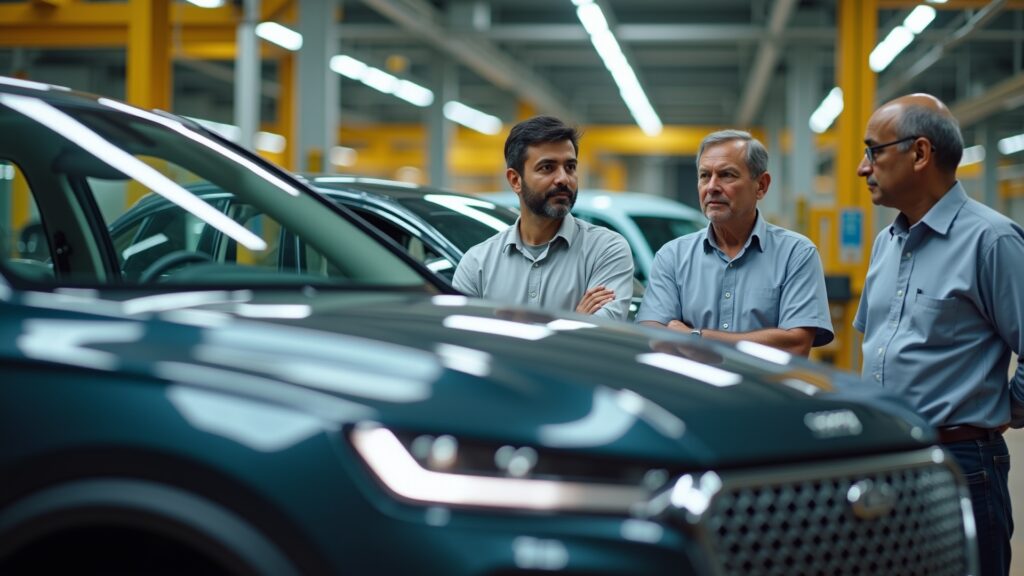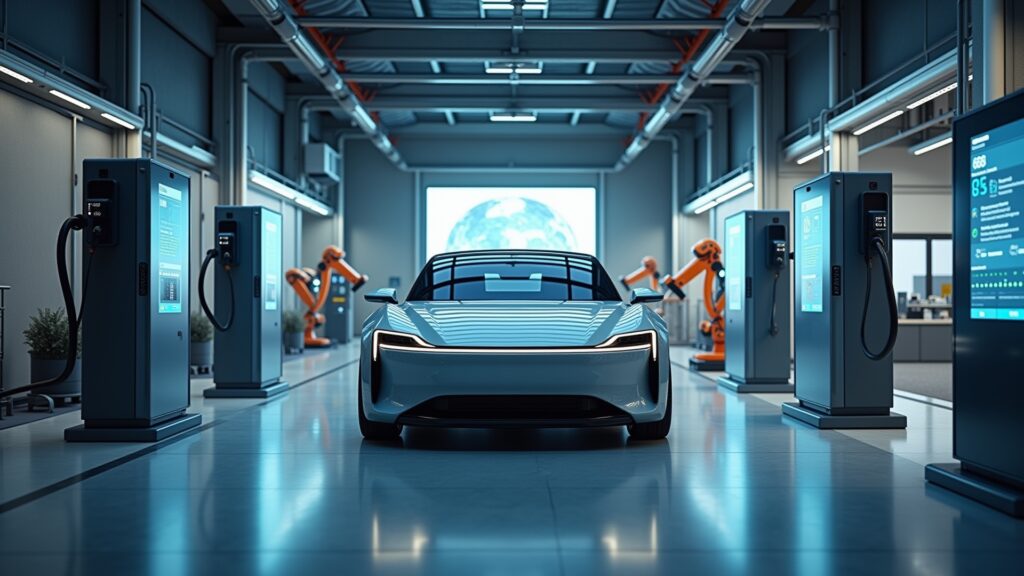
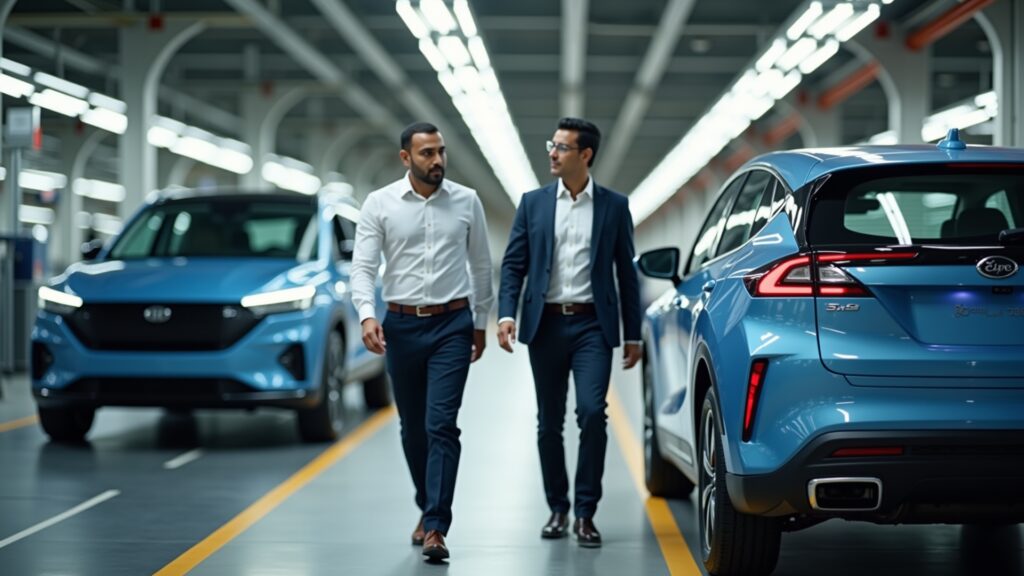
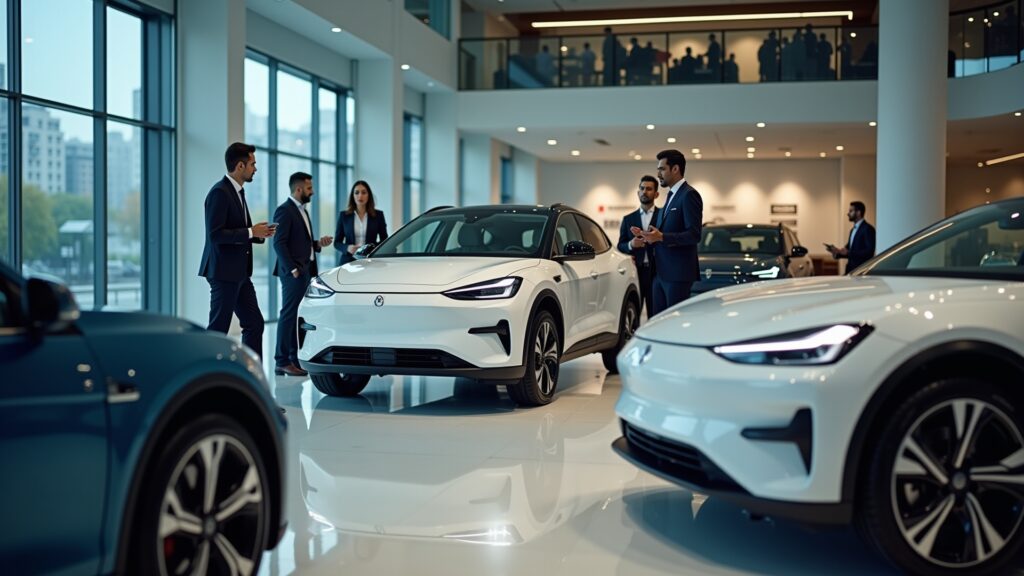









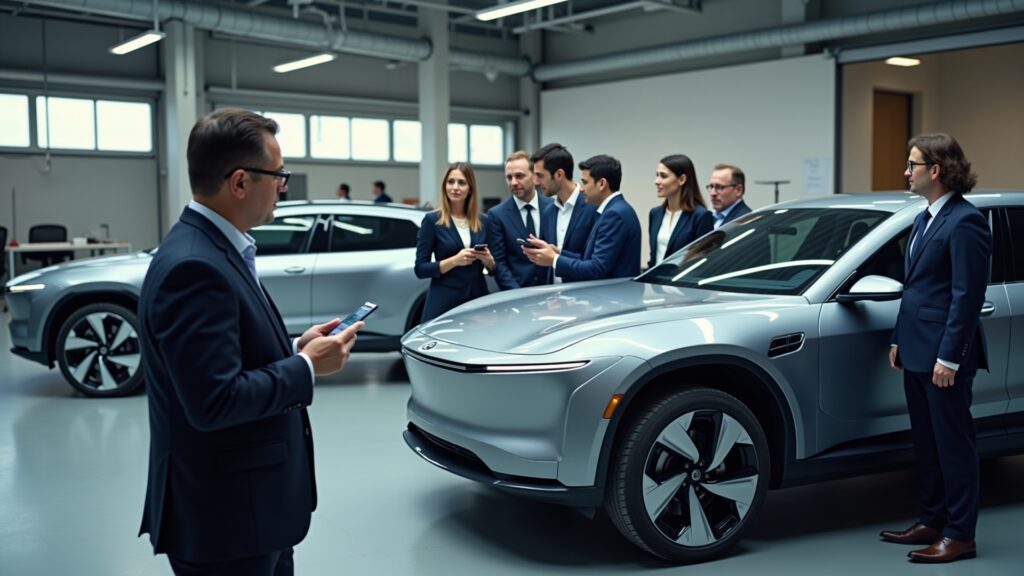
You are at a pivotal juncture in the evolution of India’s automotive industry. The announcement by Minister Nitin Gadkari that India aims to become the world’s largest automotive market within the next seven years forces you to rethink your strategic priorities. This is not just about increased sales volumes; it’s about a comprehensive transformation driven by what the leadership calls “Technology for Life.” As a decision-maker in the automotive ecosystem, understanding this vision is crucial for positioning your business to thrive in the rapidly changing global auto landscape.
Why This Shift Matters Directly to Your Business
The declaration from India’s automotive leadership signals more than an ambitious growth target—it highlights a fundamental realignment of the industry driven by technology, policy, and sustainability imperatives. For you, whether at an OEM, supplier firm, or mobility startup, this means the traditional rules of automotive manufacturing are evolving. Success will demand not only scale but smart integration of electrification, connectivity, and advanced manufacturing practices.
This pivot influences your supply chain strategies, investment decisions, and product development roadmaps. It redefines how you engage with exports, meet tightening global regulatory standards, and harness local manufacturing advantages. Understanding the scope and dimensions of this transformation will be your advantage in a marketplace poised for disruption, innovation, and opportunity.
What India’s Vision for the 2030 Auto Market Entails
This vision centers around India becoming not only a volume leader but a global innovation and manufacturing hub. The focus on “Technology for Life” represents an integrated approach emphasizing sustainability, safety, software-driven vehicles, and energy-efficient solutions.
- Localization of manufacturing to deepen supply chain resilience and reduce import dependency.
- Acceleration of electric and hybrid vehicle adoption as core to product portfolio strategies.
- Investment in connected mobility and software-defined vehicles, transforming traditional vehicle architectures.
- Enhancement of export capabilities to establish India as a competitive global player.
These priorities underline a shift from volume-centric growth to value-driven leadership, supported by regulatory frameworks and government initiatives that incentivize innovation and sustainability.
Strategic Implications for Industry Stakeholders
For OEMs and component manufacturers, the mandate is clear: embed advanced technologies that align with “Technology for Life.” This extends beyond electrification to include AI integration in manufacturing, battery technology innovation, and smart infrastructure support. The evolving regulatory landscape demands proactive adaptation to increasingly stringent emissions and safety standards worldwide.
Simultaneously, supply chain sophistication and localization are not optional but strategic imperatives. Relying on global imports poses risks that competitive players will no longer tolerate given the geopolitical and economic complexities in supply chains. Your profitability and market positioning will hinge on your ability to secure and enhance local supplier ecosystems.
Policy as a Catalyst for Economic Growth
Minister Gadkari’s perspective ties India’s automotive ambitions directly to economic expansion through technology-led innovation. The government’s focus on EV infrastructure, battery research, and digital manufacturing is designed to foster an ecosystem that attracts investments and partnerships. This policy environment creates fertile ground for you to accelerate R&D, commercialize new technologies, and expand export markets.
Moreover, the policy push will contribute to job creation and enhance India’s position as a global manufacturing powerhouse, aspects that impact your organizational growth and stakeholder relations.
Deeper Strategic Insights for Your Roadmap
In this pivotal transition, you must rethink investment priorities with a clear lens on future technology and market demands. Collaboration with tech startups, prioritizing agile innovation, and building capabilities in connected, electric, and software-defined vehicles will differentiate market leaders from followers.
“In the automobile industry, speed is valuable — but strategic timing creates lasting advantage.” Aligning your development cycles with policy timelines and consumer adoption curves will maximize your competitive edge.
The convergence of manufacturing excellence and digital innovation offers an unprecedented platform for India to compete globally. As an industry leader, your strategic choices now will determine if you are part of the emerging mobility ecosystem or sidelined by disruptive forces.
Practical Takeaways: What You Should Do Next
- Prioritize investments in electric and hybrid technology platforms aligned with evolving consumer and regulatory trends.
- Enhance localization strategies for components and supply chains to mitigate risks and improve margins.
- Build partnerships with technology firms to accelerate software and connected vehicle capabilities.
- Monitor policy updates closely to capitalize on incentives and align product development accordingly.
- Plan export strategies that leverage India’s growing manufacturing competitiveness in key automotive segments.
Expert Perspectives to Consider
“The real edge is not only in building vehicles, but in controlling the technology, supply chain, and customer experience behind them.”
“When manufacturing strength, policy clarity, and market demand align, automotive growth becomes far more scalable.”
Challenges and Risks on the Horizon
While the vision is compelling, execution risks remain. You must navigate supply chain disruptions, technology adoption curves, and capital intensity pressures. The speed of regulatory changes globally could create compliance challenges, especially as India integrates with international standards. Additionally, competition from established global players advancing their own electrification and connected vehicle strategies will test India’s ability to leapfrog.
What to Watch as You Strategize Ahead
- Progress in India’s EV infrastructure development, including charging networks and battery supply chains.
- Policy evolution, especially incentives linked to emissions norms and localization mandates.
- Emerging partnerships and joint ventures between Indian OEMs and global technology leaders.
- The pace of software and digital platform integration within vehicle production and aftersales.
- India’s export trajectory in vehicles and components to new and emerging markets.
Conclusion: Positioning Yourself in India’s Global Automotive Ascent
India’s ambition to lead the global automotive market by 2030 through “Technology for Life” is not merely a national goal but a strategic blueprint that directly affects your business trajectory. To capitalize on this transformation, you must embrace a comprehensive approach that balances innovation, localization, and regulatory alignment.
As you refine your strategies around electrification, connected vehicles, and supply chain resilience, remember this — the road ahead demands foresight and agility. The opportunity to shape a future-ready, profitable, and globally competitive Indian auto industry awaits you.