













As you navigate the evolving automotive landscape, understanding India’s strategic rise in the software-defined vehicle (SDV) industry is crucial. This convergence with electric vehicle (EV) growth isn’t just transforming the products on Indian roads—it’s reshaping the entire automotive business ecosystem. For leaders like you—OEM executives, component manufacturers, investors, and policymakers—this shift holds profound implications for competitiveness, innovation, and global positioning.
Why This Shift Should Matter to You
The rise of India’s software-defined vehicle industry represents more than technological progress; it’s a pivotal business inflection point. If you’re invested in the automotive sector, the integration of advanced software with EVs is rewriting value chains, manufacturing strategies, and market entry tactics. Aligning your approach with these trends is not optional—it’s necessary to thrive in an increasingly software-driven, environmentally conscious global market.
Decoding the Software-Defined Vehicle Paradigm in India
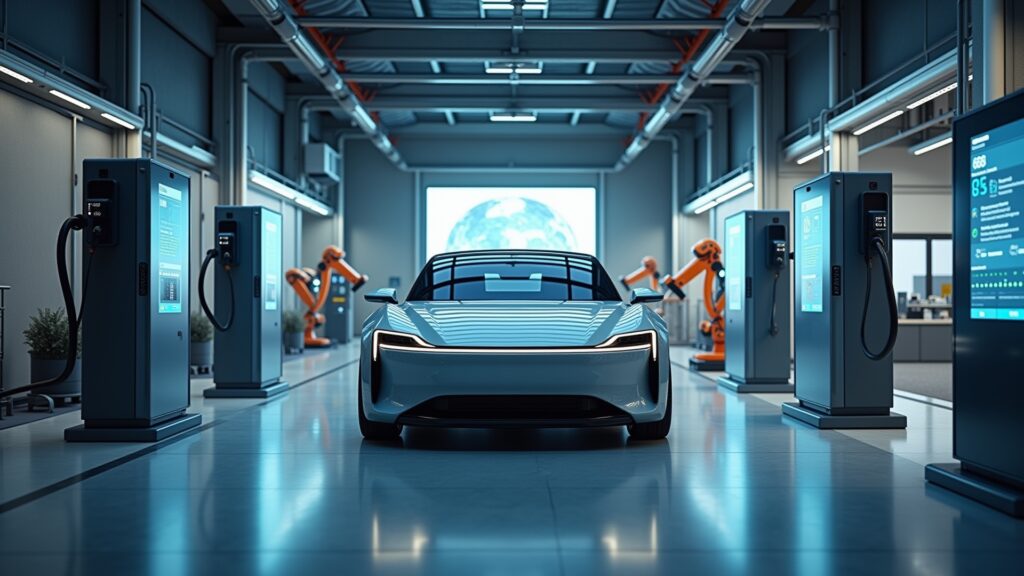
Traditionally, vehicles have been hardware-centric machines, but SDVs flip this model on its head by centering software as the primary enabler. This transformation allows vehicles to support continuous over-the-air updates, autonomous functionalities, real-time diagnostics, and enhanced connectivity. India’s established strength in IT services and growing R&D prowess in automotive software uniquely position the country to become a hub for SDV innovation and development.
Strategic Business and Market Impact
Marrying the software-defined approach with India’s accelerating EV adoption propels a new wave of industrial growth and localization. The country’s policy ambitions focusing on EV manufacturing and local ecosystem development gain distinct momentum from SDV technologies. For you as an OEM or startup, embedding intelligent software isn’t just innovation—it’s a differentiator that meets rising consumer expectations and aligns with global automotive technology trajectories.
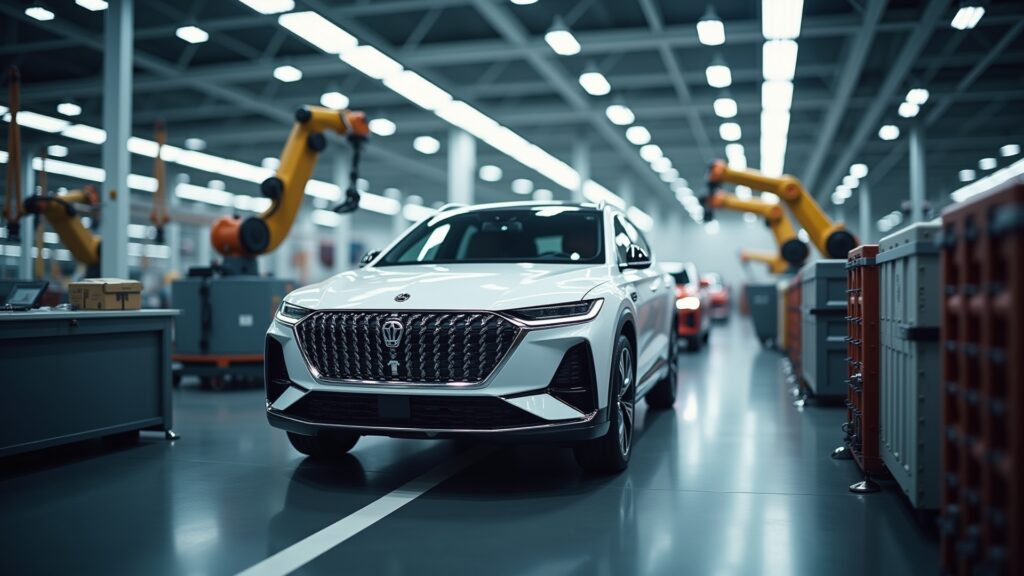
Moreover, this software integration is fundamentally altering supply chain dynamics and manufacturing lines. Components now require seamless hardware-software synergy, elevating complexity and compelling suppliers to innovate rapidly. This evolution also supports India’s export aspirations by showcasing its ability to produce technologically sophisticated vehicles competitive in international markets.
Insights on Policy and Investment Dynamics
Government initiatives that champion digital transformation, EV penetration, and localization are the scaffolding on which the SDV ecosystem can flourish. However, policies alone won’t suffice; strategic, targeted investments in software development, startups, and cross-sector partnerships remain imperative. Industry leaders and investors must recognize supporting this shift as a long-term value creation mechanism rather than a short-term technology bet.
Strategic Perspectives: What This Means for Your Leadership
The convergence of software-defined vehicles with electric propulsion technologies heralds a new era of automotive leadership. Prioritizing innovation, scalability, and ecosystem collaboration will be your key levers. In an environment marked by increasing product complexity and higher consumer expectations, embracing SDVs will not only future-proof your portfolio but also help you assert India’s place on the global automotive stage.
“In the automobile industry, speed is valuable — but strategic timing creates lasting advantage.”
“The real edge is not only in building vehicles, but in controlling the technology, supply chain, and customer experience behind them.”
Practical Takeaways for Your Strategy
- Understand that software is the new core competency; build in-house capabilities or partner strategically to embed advanced SDV platforms.
- Monitor India’s evolving EV policy frameworks closely; leverage incentives and localization pushes to enhance your supply chain resilience.
- Focus on cross-sector collaboration—IT, battery tech, OEMs, and component manufacturers must align for a cohesive ecosystem.
- Invest in talent, R&D, and startups specializing in automotive software to maintain a competitive edge.
- Evaluate export potential early by aligning product development with global standards driven by software sophistication.
“When manufacturing strength, policy clarity, and market demand align, automotive growth becomes far more scalable.”
Be Mindful of Risks and Challenges
While the promise of SDVs is compelling, the journey involves navigating complex integration challenges, cybersecurity risks, and the need for robust regulatory frameworks. Supply chains will face disruption as hardware suppliers recalibrate to software-heavy components. Also, the capital intensity for foundational software platforms demands disciplined investment and can strain traditional automotive profit models.
What to Watch For Next
Keep an eye on these developments to stay ahead:
- Policy announcements ramping up EV localization and digital transformation incentives.
- Collaborations and joint ventures between Indian software firms and global OEMs accelerating SDV solutions.
- Emerging startups innovating in battery management, connected vehicle software, and autonomous features.
- Shifts in supply chain partnerships prioritizing software-hardware integration capabilities.
- Export milestones marking India’s entry into premium, software-driven vehicle markets globally.
Conclusion: Your Strategic Imperative in India’s Software-Defined Vehicle Industry and EV Growth
India’s software-defined vehicle industry is not merely an evolution of automotive technology—it’s a strategic lever reshaping the country’s automotive business landscape. For you, embracing this convergence with EV growth is essential to navigate competitive dynamics, capitalize on new market opportunities, and enhance your leadership footprint. The question is no longer if, but how swiftly and strategically you will integrate software-driven innovation into your business to future-proof your role in the global automotive value chain.