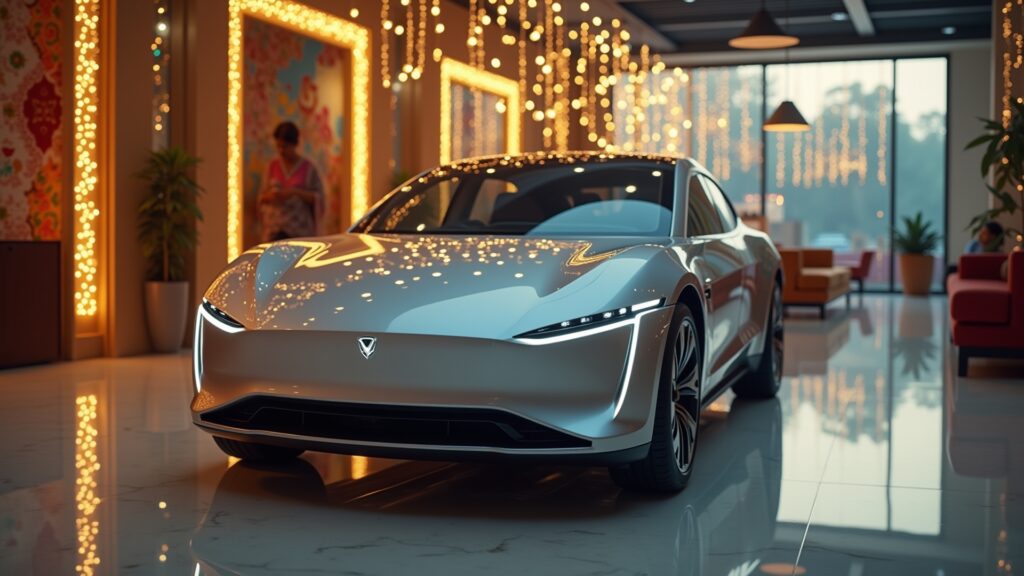
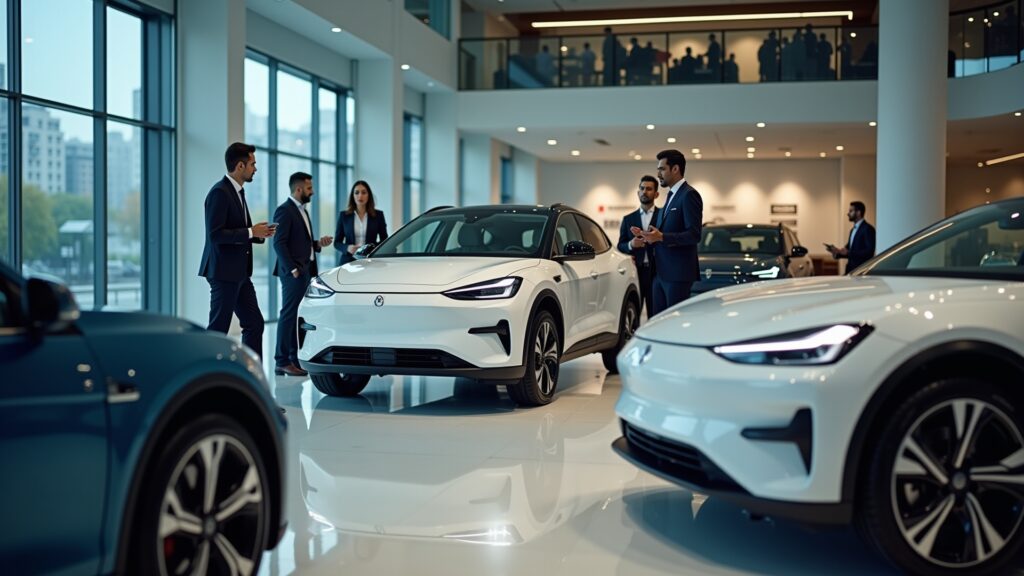











As you navigate the evolving landscape of the automotive sector, the latest surge in Bharat’s multi-sector growth is not just a headline — it’s a transformative signal directly relevant to your strategic decisions and competitive positioning. With historic highs spanning automotive production, energy infrastructure, defence manufacturing, digital payments, and exports, India is asserting itself as a significant global force that demands your attention. This is more than mere expansion; it represents a strategic inflection point that reshapes the automotive business ecosystem you operate in.
Why This Matters to You and Your Business
The confluence of these sectoral achievements creates a unique operating environment where your automotive enterprise can leverage improved supply chain resilience, enhanced localisation, and emerging technology ecosystems. As India accelerates its pivot toward advanced manufacturing and export competitiveness, the choices you make now—around localisation, EV integration, supply chain diversification, and strategic partnerships—will define your market relevance and profitability in a challenging global context.
What Is Happening in Bharat’s Growth Story
Bharat’s recent records across key sectors such as automotive, energy, defence, digital payments, and exports are not isolated phenomena. Instead, they represent a coordinated upward trajectory fueled by strong policy support and market-driven innovation. The automotive industry, in particular, stands at the heart of this growth matrix, influenced by several powerful forces:
- Technological innovation: Rapid advancements in electric and hybrid vehicle technologies, bolstered by increased energy infrastructure capacity.
- Localisation drive: Efforts to build indigenous capabilities in component manufacturing, software systems, and battery technologies.
- Policy backing: Subsidies, regulatory clarity, and incentives that stimulate investment and adoption.
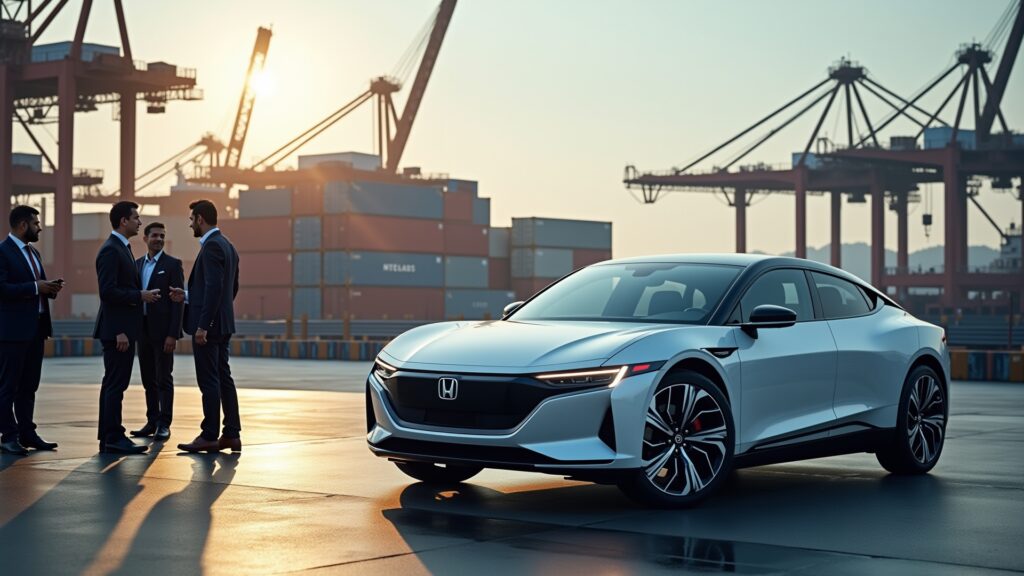
- Export momentum: Record-setting shipments underline India’s expanding footprint in the global automotive value chain.
- Digital payments surge: Indicative of the automotive retail and dealership networks embracing digitisation and tech-enabled business models.
Key Business and Automotive Impacts
This multi-sector growth wave impacts your industry from factory floor to global marketplace, with implications such as:
- Strengthened global supply chains: As India integrates deeper into international automotive trade, localisation becomes a critical lever to manage risk and maintain delivery integrity.
- Advanced manufacturing capabilities: Transitioning from traditional assembly to producing complex EV components and software-defined vehicle platforms.
- Policy incentive frameworks: Enabling aggressive expansion in EV production, renewable energy sourcing, and defence-grade manufacturing.
- Digitally empowered dealership transformation: Adoption of digital payments and connected vehicle technologies reshaping retail economics.
- Investment opportunities: Emerging industrial clusters offer fertile ground for funding innovation, scale, and diversification.
Strategic Insights for Your Automotive Enterprise
To seize and sustain advantage amid this paradigm shift, consider these strategic insights:
- Localisation as a competitive advantage: Deepen your supply chain footprints within India to reduce dependency and enhance agility.
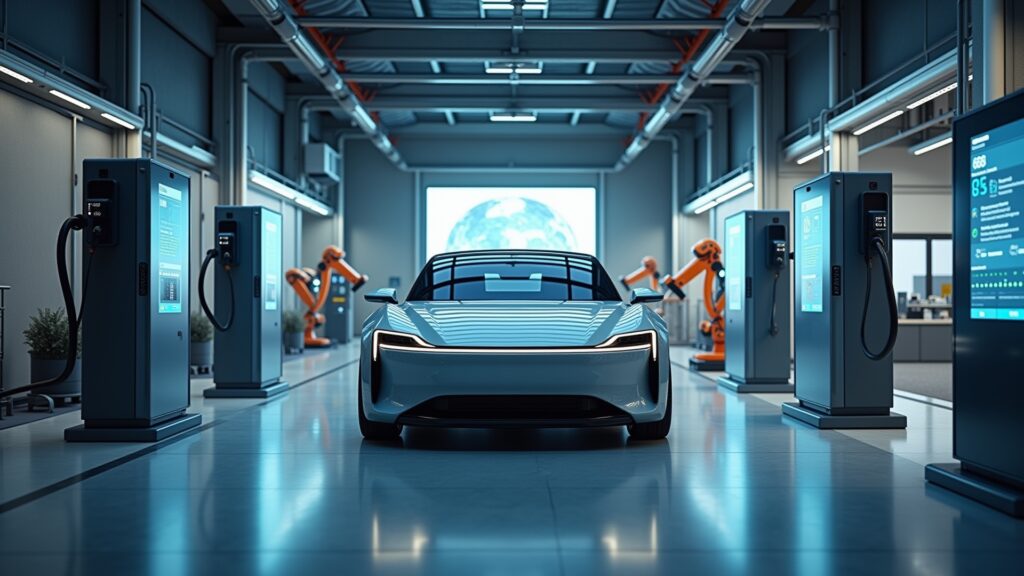
- EV and hybrid focus: Incorporate scalable electric drivetrain technologies supported by robust charging infrastructure planning.
- Software and connectivity integration: Invest in vehicle software systems, connected features, and data analytics to meet rising consumer expectations.
- Policy engagement: Stay aligned with evolving regulations to leverage subsidies and avoid compliance risks.
- Export orientation: Design products and processes that meet global standards to capitalize on heightened export appetite.
“In the automobile industry, speed is valuable — but strategic timing creates lasting advantage.”
“The real edge is not only in building vehicles, but in controlling the technology, supply chain, and customer experience behind them.”
Practical Takeaways for Decision-Makers
- Prioritize supply chain diversification to buffer against global disruptions and leverage India’s localisation policy.
- Embed EV and hybrid development into your core R&D and market offering strategies.
- Align component production innovations with demand for connected and software-enabled vehicles.
- Monitor policy and regulatory changes carefully to optimize incentives and ensure compliance.
- Explore partnerships and investment opportunities in India’s emerging “auto-energy-digital” industrial clusters.
Potential Challenges and Risks Ahead
While the growth momentum is compelling, certain challenges require your proactive attention:
- Supply chain bottlenecks: Localisation efforts must overcome raw material sourcing and quality consistency issues.
- Regulatory evolution: Constant shifts in policy may require agile adaptation to avoid operational disruptions.
- Technology transition pace: Balancing legacy combustion engine production with rapid EV adoption demands stretched resources and foresight.
- Global market volatility: Export dependency exposes you to international geopolitical and economic uncertainties.
What You Should Watch Next
Stay alert for government policy updates on EV incentives and export facilitation schemes, developments in India’s battery manufacturing capabilities, and digital transformation trends in dealership networks. Track how OEMs and suppliers navigate global trade frameworks and the rising tide of software-defined vehicle platforms, as these will shape your competitive landscape profoundly.
Conclusion: A New Era for Bharat’s Automotive Industry
Embracing the multi-sector growth wave unfolding in Bharat isn’t optional if you aim to lead in India’s automotive industry. By aligning your strategies with this broader movement—focusing on localisation, innovation, sustainability, and export readiness—you position your enterprise to thrive amid escalating global competition. The Bharat growth automotive industry story is not simply about scale but about a fundamental reshaping of how India’s automotive sector creates value, competes internationally, and delivers future-ready mobility solutions.
As you steer through this transition, remember: “When manufacturing strength, policy clarity, and market demand align, automotive growth becomes far more scalable.”