











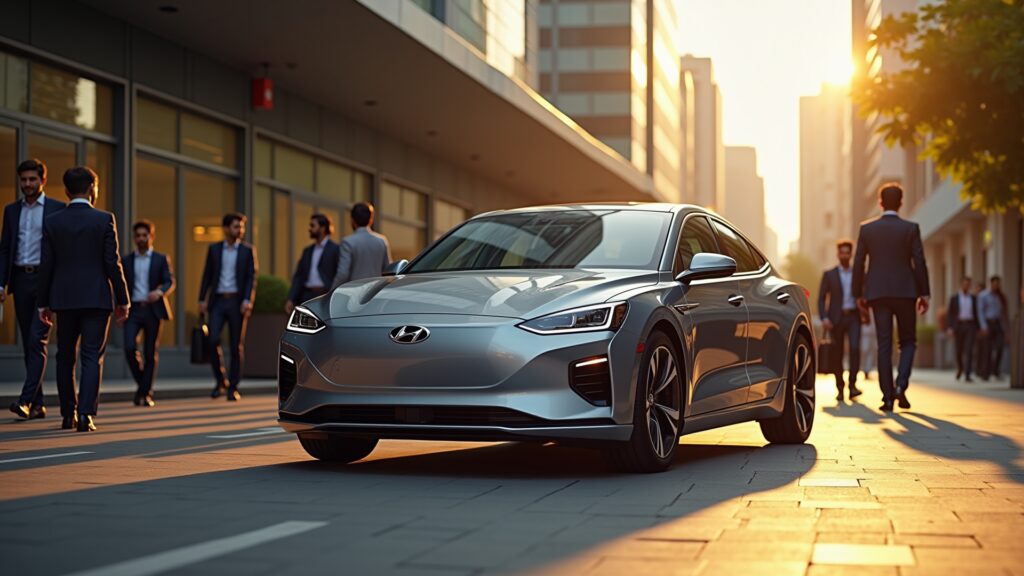
Your role as a senior leader or investor in the automotive industry requires you to understand not just the sales figures of any OEM, but what those numbers signify in terms of strategic positioning amid rapid sectoral shifts. Hyundai Motor India’s reported 17% growth in April sales does more than highlight volume gains — it signals the company’s resilient adaptability in India’s fiercely competitive and evolving automotive landscape. This growth is a crucial barometer for you to gauge Hyundai’s strategic response to impacting trends like electrification, localisation, supply chain challenges, and export dynamics.
Why Hyundai Motor India’s April Growth Matters to You
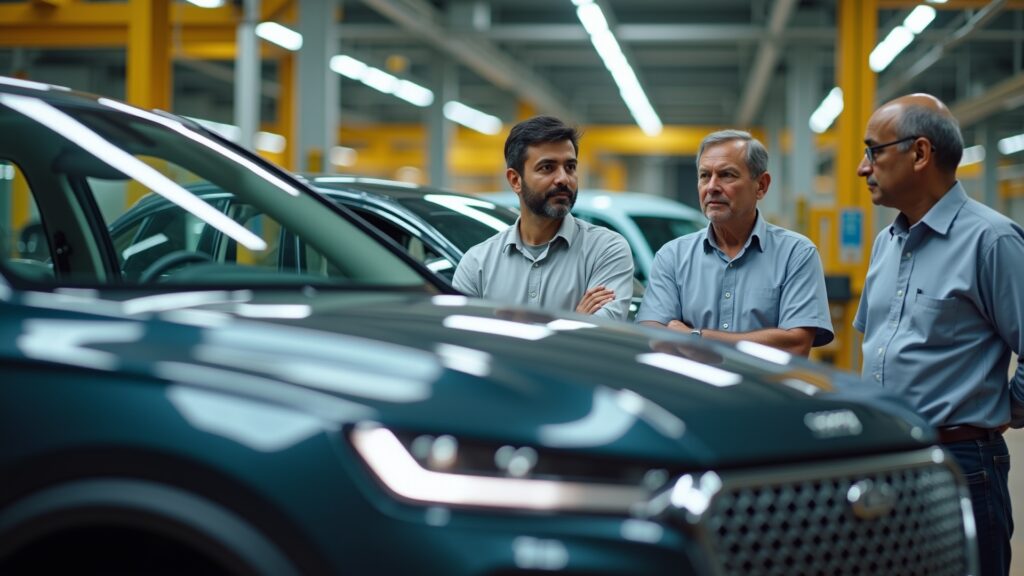
For you steering business decisions or investments within the automotive ecosystem, Hyundai’s performance is a telling indicator of how established OEMs can maintain momentum by integrating market-facing strategies with operational excellence. India’s rise as a global manufacturing hub means that you are watching an arena where supply chain resilience, cost-effectiveness, and compliance to policy incentives define which players will achieve sustainable growth and profitability.
Hyundai’s successful sales growth points to the effectiveness of its holistic approach that not only drives consumer demand but also aligns with India’s broader industrial ecosystem. It’s a case study in balancing traditional combustion engine vehicles with the emerging EV and hybrid technologies critical to future competitiveness.
Understanding the Current Landscape: What is Happening?
Hyundai Motor India’s April sales surge of 17% stands out amid ongoing complexities such as semiconductor shortages and logistic disruptions that continue to squeeze the global automobile supply chain. Within India, a competitive mix of domestic and international OEMs are intensifying localisation efforts, spurred by government incentives and policies aimed at boosting local manufacturing and exports.
Hyundai’s strategy leverages its strong dealer network and an attractive product mix tailored to Indian consumer preferences, especially as demand grows not only for affordable vehicles but increasingly for EVs and hybrids. This sales growth is a direct manifestation of how Hyundai is managing these multifaceted challenges while sustaining consumer interest and operational agility.
Key Business and Market Implications
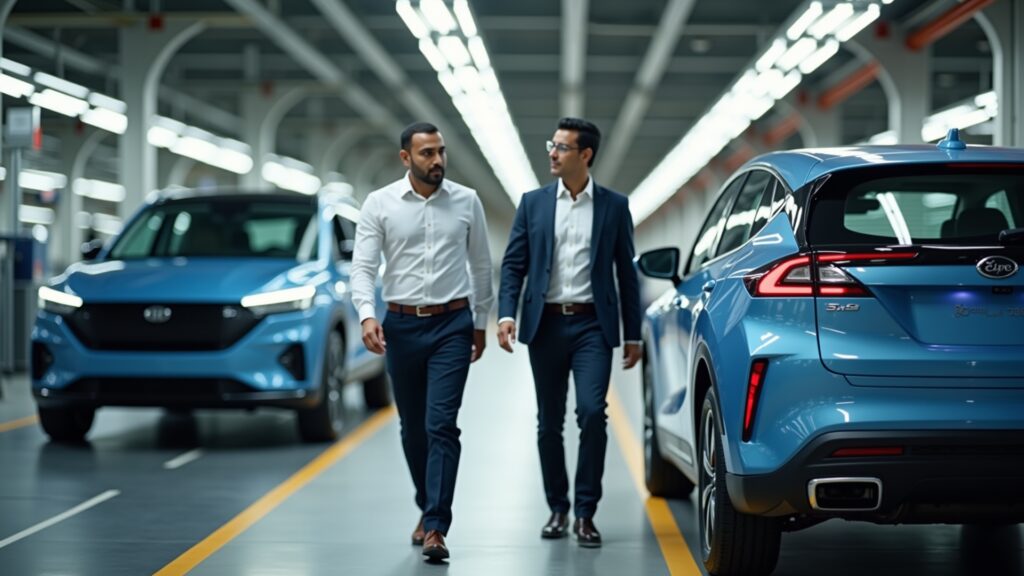
- Localisation and Cost Competitiveness: Hyundai’s focus on localizing components and manufacturing supports your imperative for cost efficiency and supply chain security, reinforcing India’s emergence as a manufacturing hub.
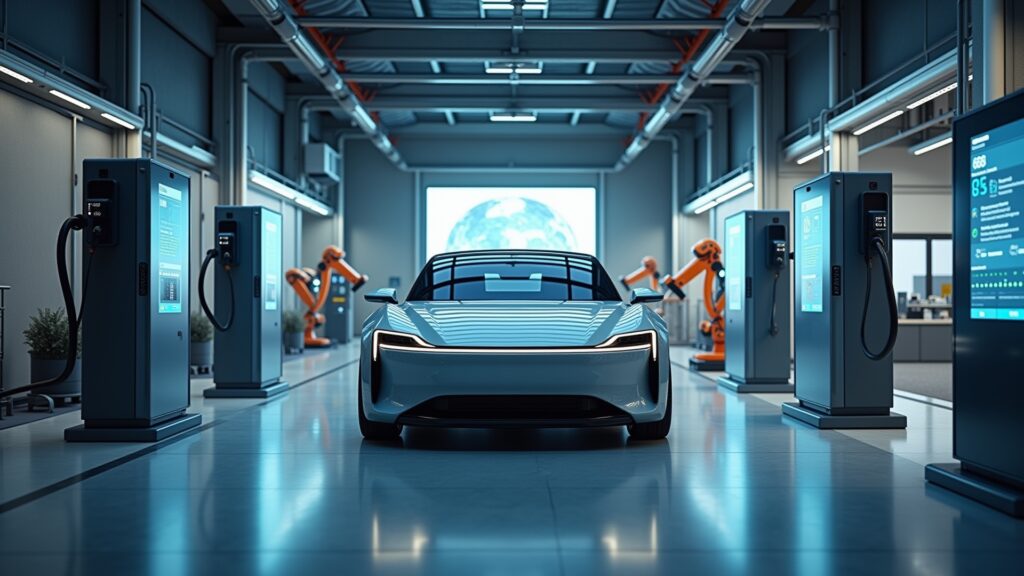
- EV and Hybrid Transition: This growth signals Hyundai’s readiness to compete as demand shifts towards cleaner mobility, an area where your strategic investments and partnerships can yield long-term dividends.
- Supply Chain Resilience: The ability to sustain growth amid global supply constraints proves operational robustness, an encouraging sign for stakeholders concerned about future disruptions.
- Export Potential: Hyundai’s expanded footprint in India enhances its export capabilities, aligning with government policies that promote India as a global automotive export hub — a critical factor for expanding your market reach.
Deeper Strategic Insight
The 17% sales growth reflects Hyundai’s balanced execution of two critical dimensions: market responsiveness and internal operational efficiency. From launching products aligned with evolving consumer expectations to tightening control over its supply chain through localisation, Hyundai is effectively future-proofing its business model.
Hyundai’s strategic moves in India should be interpreted as deliberate investments in manufacturing excellence and market-readiness that will not only maintain but potentially enhance profit margins in a market where affordability and innovation must coexist. The company’s alignment with India’s EV roadmap exemplifies how OEMs must integrate national policy frameworks into their core strategies to maintain leadership.
“In the automobile industry, speed is valuable — but strategic timing creates lasting advantage.”
“The real edge is not only in building vehicles, but in controlling the technology, supply chain, and customer experience behind them.”
Practical Takeaways for Industry Leaders
- Monitor Localisation Depth: Assess the extent of component localisation and supplier partnerships that strengthen supply chains.
- Align with EV Policies: Ensure your strategic plans mirror government transitions toward electrification to capitalize on incentives and market trends.
- Strengthen Dealer Networks: Invest in retail transformation to maintain consumer engagement and retention in a shifting market.
- Mitigate Supply Risks: Develop contingency plans for semiconductor and other critical component shortages.
- Explore Export Opportunities: Leverage India’s rising status as an export hub to diversify market risk and amplify growth.
Risks and Challenges to Keep in Mind
Despite promising growth, you must consider ongoing supply chain vulnerabilities, including semiconductor shortages and raw material price volatility, which could impact production costs and delivery timelines. Competitive pressures from both legacy players and emerging EV startups mean Hyundai’s market share is not guaranteed. Additionally, regulatory changes or delays in EV policy implementation could shift competitive dynamics unpredictably.
What to Watch Next in the Indian Auto Market
Keep an eye on how Hyundai expands its EV portfolio and integrates software-defined vehicle technologies, which will be critical differentiators. Watch also for policy developments around localisation mandates and export incentives that could reshape operational priorities. Finally, observe how the company strengthens its supply chain partnerships to ensure resilience amid global uncertainties.
Conclusion: Your Strategic Lens on Hyundai Motor India’s Growth
Hyundai Motor India’s 17% sales increase is more than a numerical milestone — it reflects a strategic playbook of adaptability, localisation, and alignment with future mobility trends. For you involved in decision-making at the highest levels, this growth underscores the value of a holistic approach combining consumer insight, operational resilience, policy alignment, and technological readiness.
Adopting similar integrated strategies will be crucial for sustaining competitive advantage in India’s rapidly evolving automotive sector. As Hyundai leverages these strengths to fortify its market position, your informed watchfulness on these pillars will enable proactive and profitable business strategies.
“When manufacturing strength, policy clarity, and market demand align, automotive growth becomes far more scalable.”