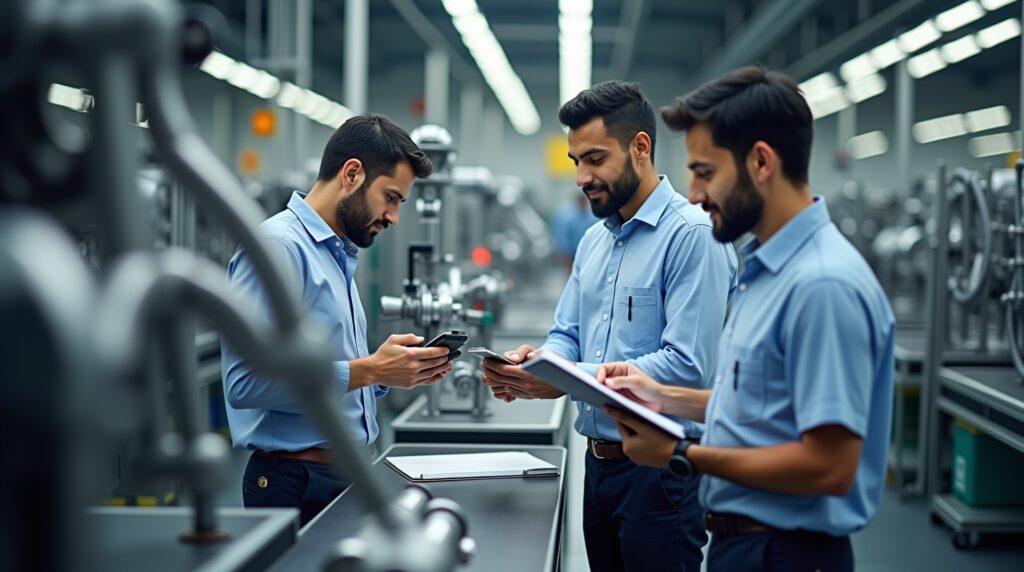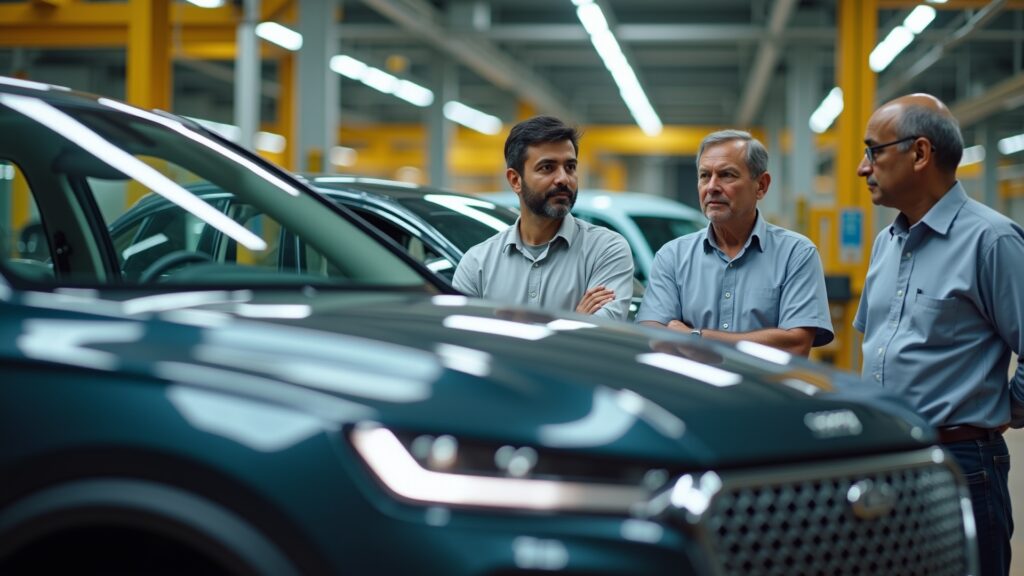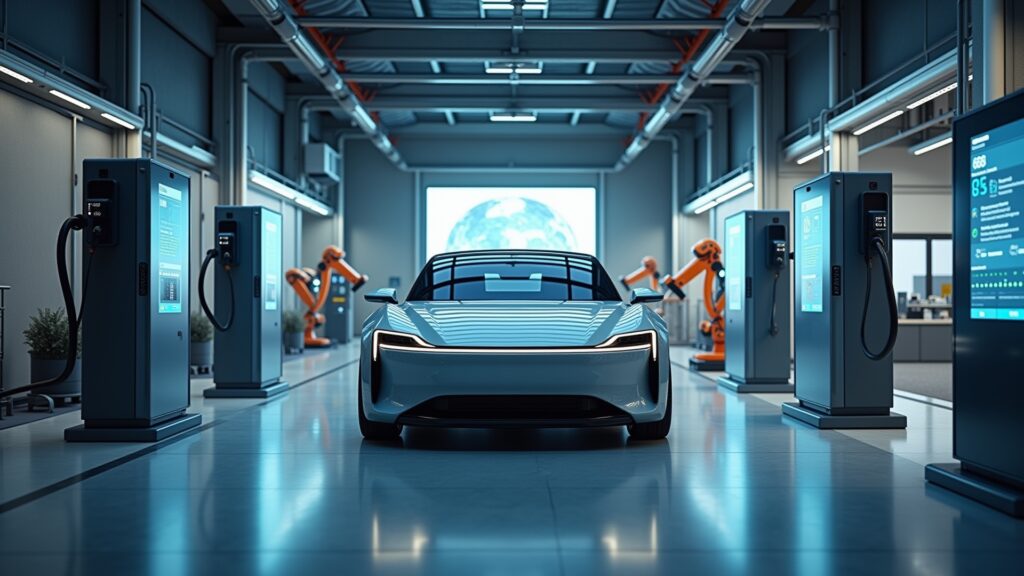

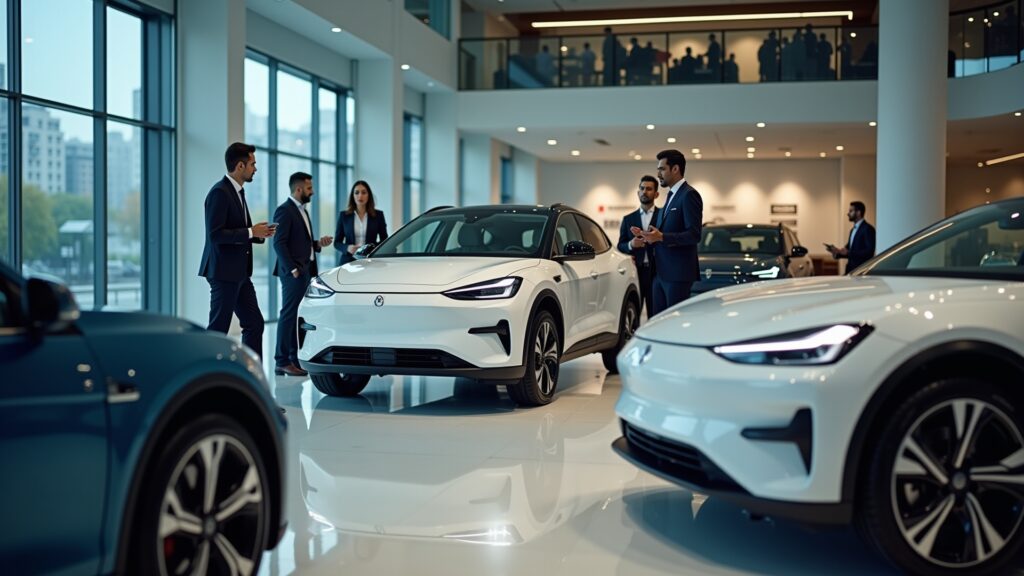









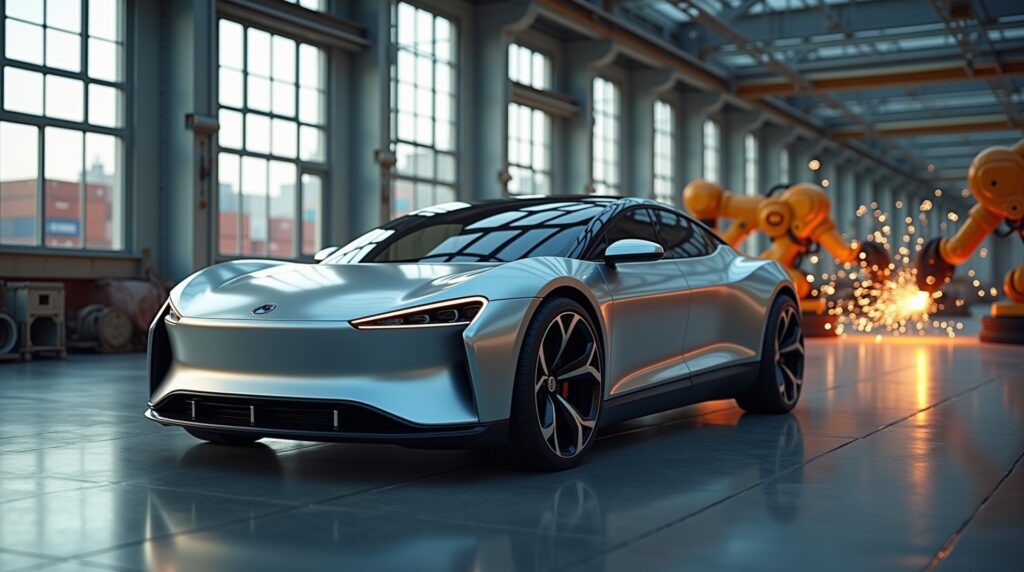
The Indian automobile market is poised for a transformative leap, with projections indicating a valuation soaring to USD 213.74 billion. As a key stakeholder in this dynamic ecosystem, understanding what this means for your business strategy, investments, and competitive positioning in the sector is critical. This anticipated growth is not just a numeric milestone but a clear marker of India’s evolving stature on the global automotive stage.
Why This Market Growth Should Matter to You
If you are maneuvering within the automobile business—be it an OEM, component manufacturer, investor, or policymaker—the expanding Indian market signals both challenges and opportunities. It confirms India as a maturing manufacturing powerhouse and a rapidly growing consumer base, demanding you revisit your strategic plans. This growth trajectory presents a chance to capitalize on rising localization, technology integration, and the shift toward electrification, all while navigating the complexities of global supply chains and evolving regulations.
Understanding What Is Driving This Expansion
The surge toward a USD 213.74 billion market is fueled by several converging factors: robust domestic demand, increased government support for electric vehicles (EVs), strategic localization policies, and a bullish export outlook. India’s role is shifting from a traditional production hub to a sophisticated ecosystem incorporating advanced manufacturing, software-defined vehicles, connected mobility solutions, and a resilient supply chain emphasizing battery and semiconductor components.
Key Business and Automotive Impacts to Consider
- Localization and Global Supply Chain Integration: You must deepen localization not simply as a cost play but as a strategic enabler for faster innovation and supply chain agility, especially amid global disruptions.
- Electrification and Technology-driven Evolution: Your business model should integrate EV and hybrid strategies, encompassing battery tech, charging infrastructure, and connected vehicle services, areas that strongly influence market share.
- Policy and Investment Climate: Stay aligned with government incentives aimed at boosting electric mobility and exports. These policies are catalysts for innovation and scaling production efficiently.
- Export Competitiveness: India’s growing export orientation requires strategic partnerships and compliance with international standards, enabling you to leverage cost competitiveness and manufacturing excellence on a global scale.
Strategic Insights: Navigating the New Market Landscape
For industry leaders like yourself, the $213.74 billion benchmark is a clarion call to refine your approach in several ways. Embrace technology ownership and innovation as differentiators beyond vehicle manufacturing. Control over supply chains, particularly for critical EV components such as lithium-ion batteries and semiconductors, will define your competitive edge. Equity in scaling manufacturing capabilities with a focus on sustainability and compliance will ensure resilience against regulatory and market shocks.
“In the automobile industry, speed is valuable — but strategic timing creates lasting advantage.”
Consider partnerships across the value chain—OEMs, suppliers, software developers, and infrastructure players—to create integrated solutions that meet evolving consumer and regulatory demands. This collaboration can amplify your reach and reduce risks associated with rapid market shifts.
Practical Takeaways for Industry Stakeholders
- Reassess Localization Strategies: Prioritize building robust local supply chains to optimize costs and responsiveness.
- Invest Heavily in EV and Hybrid Innovation: Focus on battery technology, connected vehicle platforms, and next-gen charging infrastructure.
- Engage Proactively with Policy and Regulatory Trends: Regularly monitor and adapt to government incentives and export policies.
- Forge Strategic Alliances: Collaborate across sectors—technology, component manufacturing, and mobility services—for holistic market capture.
- Build Supply Chain Resilience: Especially around critical raw materials and semiconductors to safeguard production continuity.
Risks and Challenges to Keep in Mind
Despite the promising market growth, you should remain vigilant against potential pitfalls:
- Supply Chain Vulnerabilities: Overreliance on imports for critical components like batteries and chips can expose your operations to geopolitical and logistical risks.
- Regulation Complexity: Navigating a fast-evolving regulatory framework requires agility and deep policy insight to avoid compliance risks.
- Market Volatility: Economic fluctuations, global trade tensions, and shifts in consumer preferences may impact demand and profitability.
What You Should Watch Next
Stay closely attuned to developments in battery technology, EV adoption rates, government incentive modifications, and international trade policies. Monitor emerging collaborations between OEMs and technology firms that redefine vehicle software architectures and connectivity. Also, keep an eye on how India’s export volumes evolve, particularly in electric vehicles and auto components, as they will be bellwethers of the sector’s global competitiveness.
Conclusion: Position Yourself to Lead in India’s Expanding Automobile Market
India’s projected $213.74 billion automobile market growth is a defining moment for you as an industry leader. It invites you to sharpen strategic focus and build future-ready capabilities that can sustain growth amidst regulatory dynamics and global uncertainties. By advancing localization, embracing electrification, reinforcing supply chain resilience, and leveraging policy frameworks, your business can not only participate but lead in shaping India’s automotive future.
“The real edge is not only in building vehicles, but in controlling the technology, supply chain, and customer experience behind them.”
In essence, your ability to anticipate shifts and act decisively will determine your role in the next wave of automotive leadership—both within India and on the world stage.