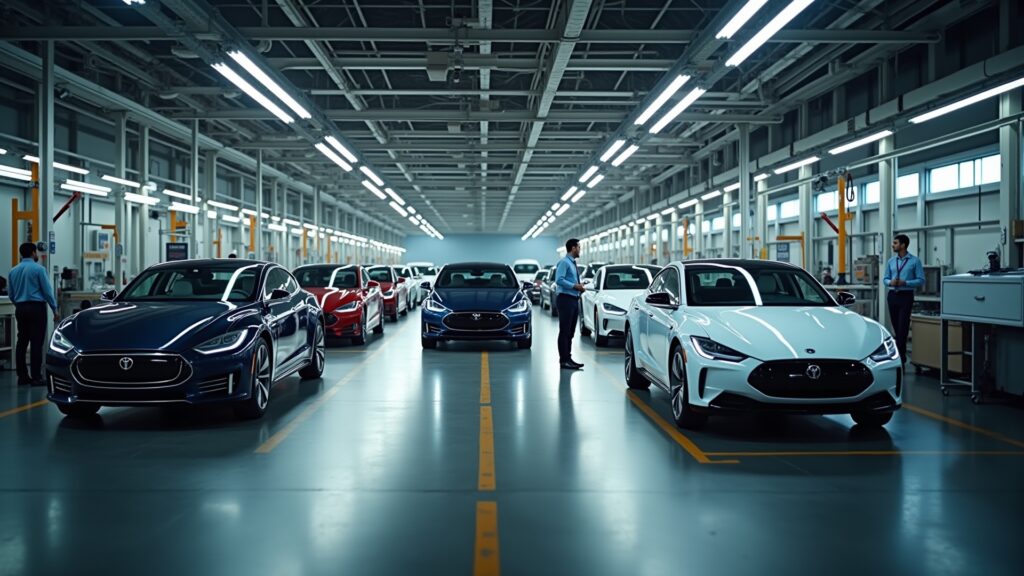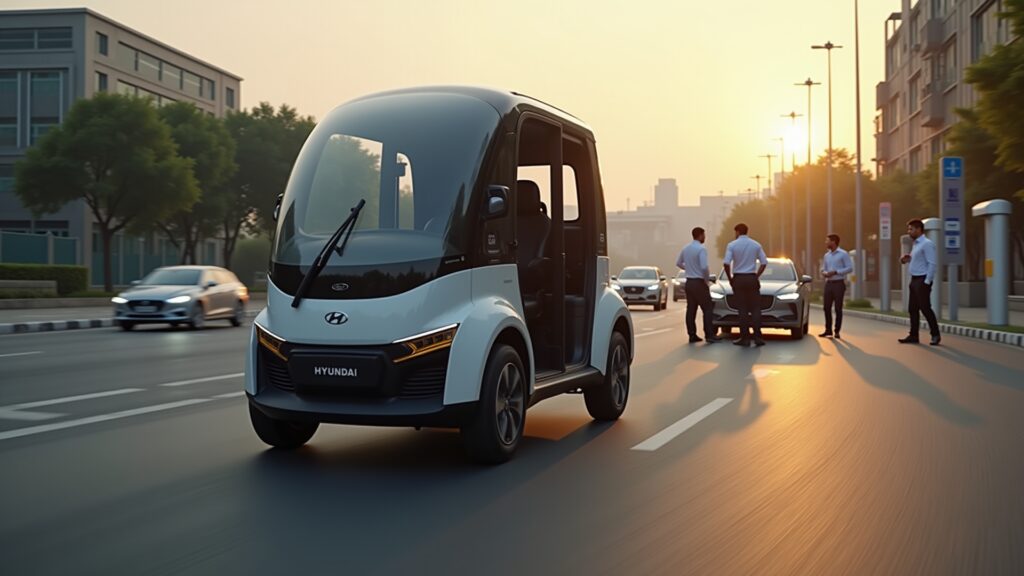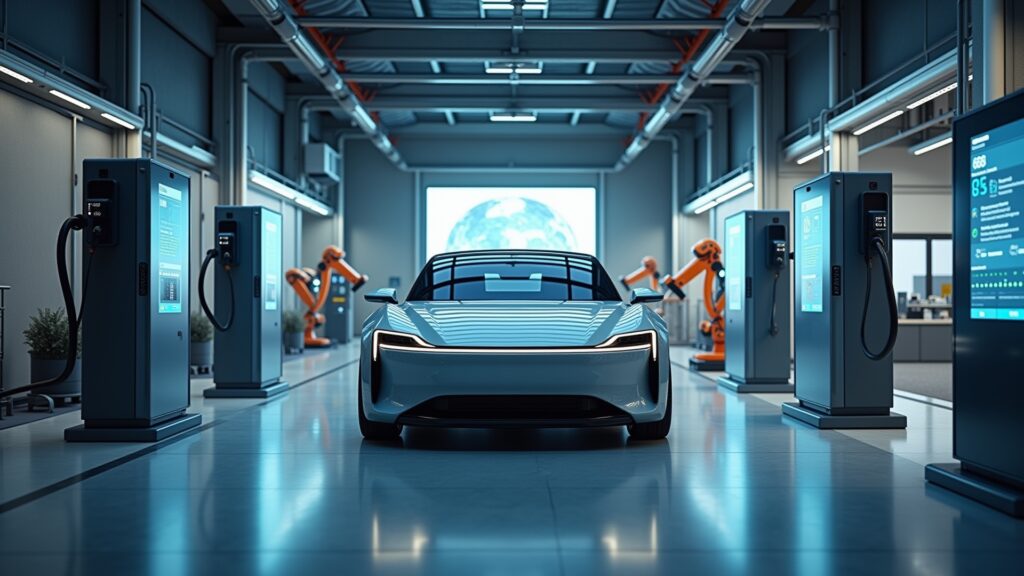
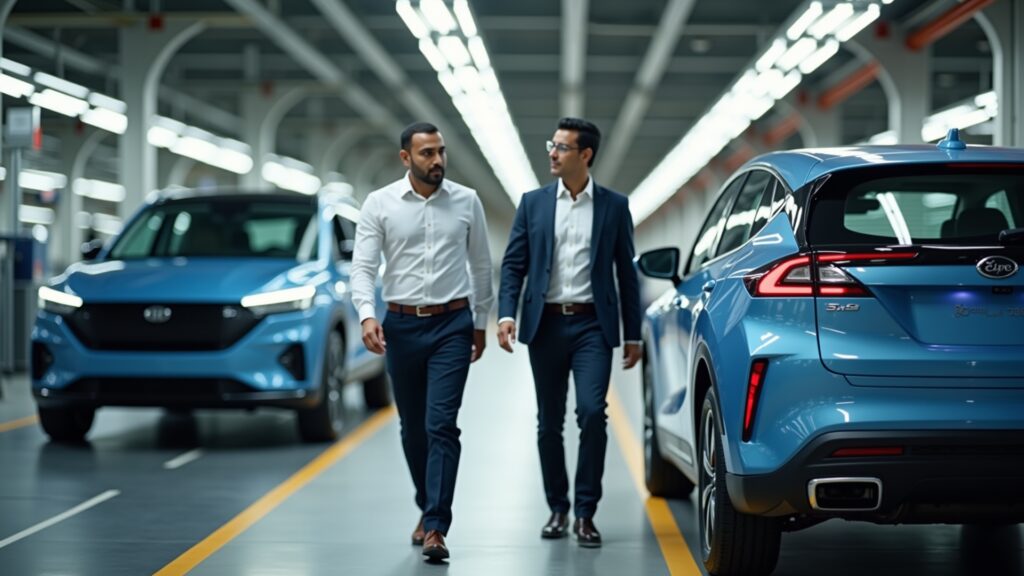
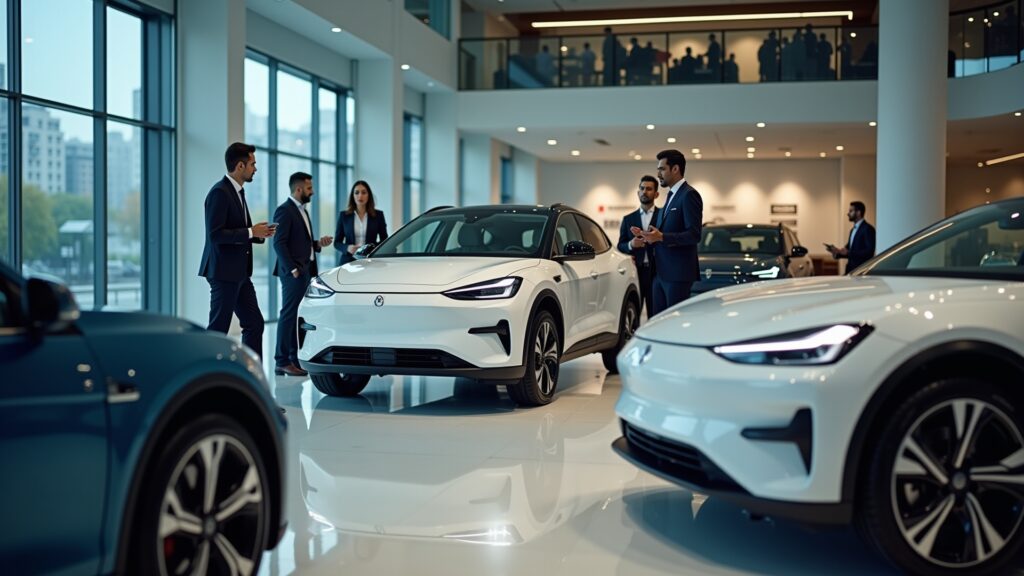










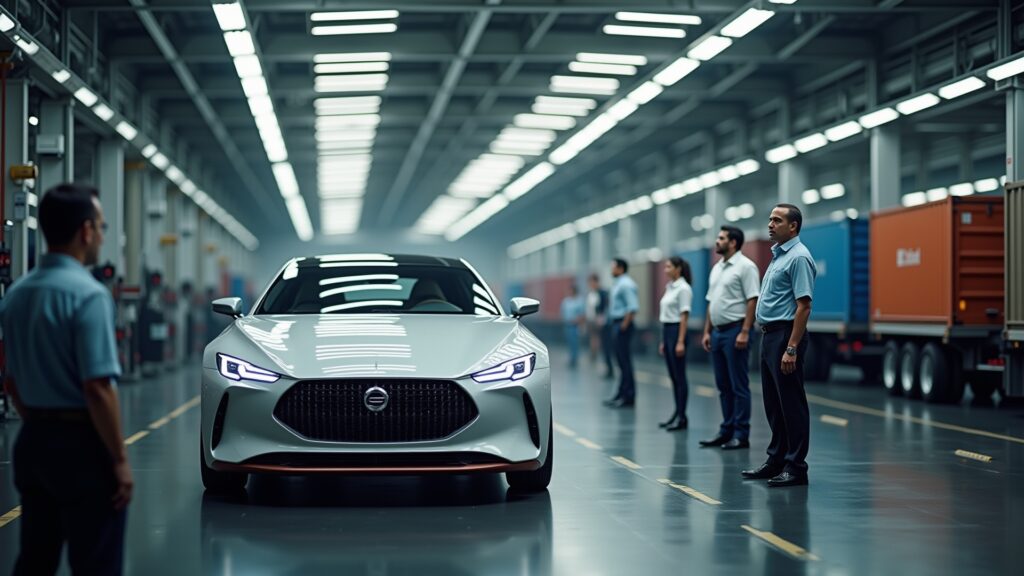
As a leader or stakeholder in the automotive business, you are witnessing a transformative phase in India’s automotive sector—one that holds profound implications for your strategic decisions and competitive positioning. India’s car boom isn’t merely about volume growth; it represents a fundamental shift in how global original equipment manufacturers (OEMs) and suppliers approach manufacturing, localisation, and market expansion. Understanding this shift is essential for steering your business through evolving global automotive dynamics and capitalizing on India’s emergence as a vital global hub.
Why This India Car Boom Matters to You
Your business potential, whether as an OEM executive, supplier, investor, or policy influencer, is directly shaped by India’s accelerated automotive growth and manufacturing realignment. This boom translates into fresh investment streams, enhanced export opportunities, and a robust ecosystem that fosters innovation in electric and hybrid vehicles. It also demands a recalibration of supply chains, localisation strategies, and technology adoption—areas where informed leadership turns disruption into advantage.
What Is Driving This Expansion?
The underlying forces behind India’s automotive surge include:
- Robust Domestic Demand: Rising incomes and urbanisation fuel the new car market’s growth.
- Evolving Supplier Ecosystem: An expanding base of component manufacturers capable of meeting OEM localisation targets.
- Government Incentives and Policies: Aggressive localisation mandates, production-linked incentives, and “Make in India” initiatives tailored to turn India into a global manufacturing powerhouse.
- Strategic Export Orientation: Manufacturers increasingly view India not just as a consumption market but as a base for exports, particularly for EV and hybrid platforms aligned to global sustainability trends.
Strategic Implications for Your OEM and Supply Chain Strategies
Global OEMs focusing on India signal a pivot towards cost-effective manufacturing while addressing the increasing importance of localisation. This pivot means:
- Supply Chain Resilience: You must deepen collaboration with local suppliers to navigate global trade uncertainties and regulatory compliance.
- Investment in Advanced Manufacturing: Technologies like AI, automation, and software integration are becoming prerequisites to meet quality and scalability standards.
- EV and Hybrid Production Capability: Prioritizing electric and hybrid vehicle manufacturing to align with both government targets and shifting consumer preferences.
- Export-Driven Production Lines: Designing your manufacturing footprint with an export mindset maximizes India’s cost and policy advantages.
Impact on Manufacturing Innovation and Market Growth
Your manufacturing operations in India will likely experience significant technological upgrades. Expect an infusion of AI and automation, driving the production of sophisticated, software-defined vehicles locally. This evolution positions India to actively participate in the connected and autonomous vehicle market segments.
Market growth extends beyond vehicle sales; the ensuing ecosystem improvements are advancing:
- Charging infrastructure expansion – critical for EV adoption
- Auto component sophistication – driving localisation and cost efficiency
- Aftermarket and service innovation – enhancing customer retention and profitability
These developments feed a positive feedback loop that enhances India’s global automotive stature and supply chain competitiveness.
Strategic Insights: Harnessing the India Opportunity
“In the automobile industry, speed is valuable — but strategic timing creates lasting advantage.”
To fully leverage the India car boom, you must approach your strategy through a multi-dimensional lens. Prioritize strategic partnerships that strengthen your local supplier base while investing in technology that accelerates EV and connected vehicle production. Recognize the shifting regulatory landscape as both a challenge and an enabler—preparing your business for agility in policy compliance will protect your margins and accelerate growth.
Practical Takeaways for Automotive Leaders
- Understand the India-specific localisation requirements and invest in auto component partnerships accordingly.
- Monitor government policies and incentives closely to take advantage of evolving manufacturing and export benefits.
- Invest in manufacturing modernization — AI, automation, and software-defined vehicle production are becoming non-negotiable.
- Focus on EV and hybrid capabilities as crucial elements of future competitiveness.
- Strengthen supplier-OEM collaboration for resilient and agile supply chains.
- Prepare for increased competitive intensity with strategic agility and innovation.
Expert Perspectives
“The real edge is not only in building vehicles, but in controlling the technology, supply chain, and customer experience behind them.”
“When manufacturing strength, policy clarity, and market demand align, automotive growth becomes far more scalable.”
Risks and Challenges to Navigate
While the outlook is promising, you must remain vigilant about:
- Policy shifts: Regulatory recalibrations could alter incentive structures or localisation demands unexpectedly.
- Supply chain disruption: Geopolitical tensions and raw material volatility may impact cost and delivery timelines.
- Competitive saturation: As OEMs and suppliers flock to India, standing out requires innovation and operational excellence.
- Infrastructure gaps: Despite rapid progress, gaps remain in logistics and charging networks crucial to EV scale-up.
What You Should Watch Next
Keep a close eye on:
- Emerging policies on EV subsidies and export incentives.
- Advancements in India’s battery manufacturing capacity and charging ecosystem.
- New JV announcements and OEM localisation partnerships.
- Trends in software-defined vehicle production and connected mobility rollouts.
Conclusion: The India Car Boom as a Strategic Inflection Point
India’s car boom is more than a market phenomenon; it is a strategic inflection point redefining OEM investment and manufacturing for the global automotive industry. As you position your business in this evolving landscape, your ability to integrate localisation, technological innovation, and export-driven manufacturing will determine your long-term leadership and profitability. This is your moment to engage deeply with India’s potential, shaping the future of automotive business on a truly global scale.