







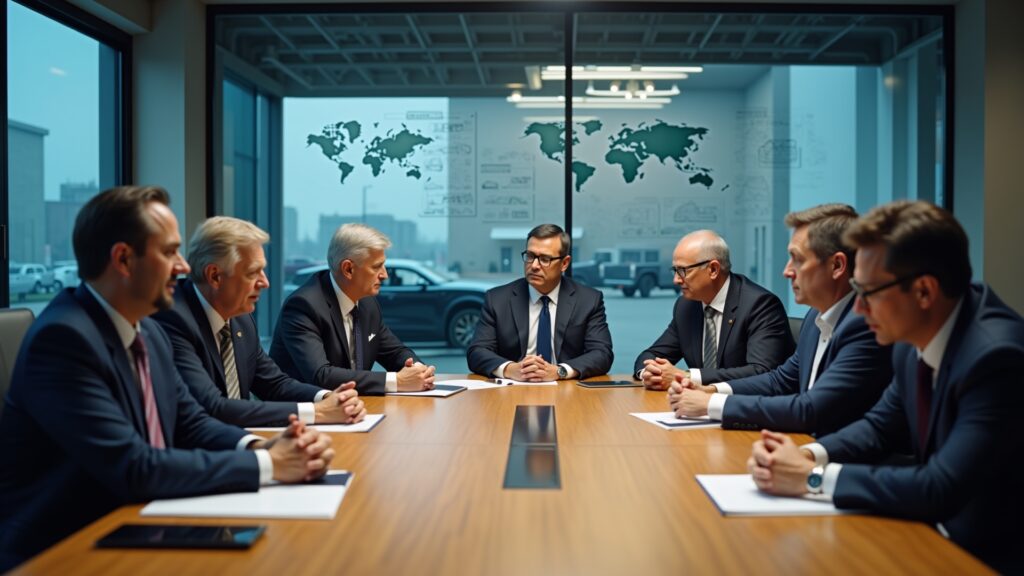
As an automotive industry leader, you are keenly aware that strategic global partnerships can redefine your competitive landscape. India’s Heavy Industry Ministry joining the SIAM-OICA roundtable is a significant move that impacts your business ecosystem—particularly in manufacturing, policy alignment, exports, and innovation within the auto sector. This development aligns India more closely with international OEMs and policymakers during a pivotal transformation driven by electric mobility, technology integration, and supply chain localization.
Why This Matters to You
If you are steering an automotive business, managing investments, or shaping policy strategies, India’s deeper engagement with the SIAM-OICA forum opens new doors. It means stronger influence in global standards, access to cutting-edge technology discussions, and enhanced support for export expansion. For suppliers, OEMs, and investors, it signals an environment increasingly hospitable to innovation, collaboration, and scale in a sector embracing electrification and software-driven mobility.
The Strategic Move: What Is Happening
The integration of the Indian Heavy Industry Ministry into the Society of Indian Automobile Manufacturers (SIAM) and the International Organisation of Motor Vehicle Manufacturers (OICA) roundtable is more than protocol—it is strategic positioning. This dialogue platform brings together global automotive stakeholders to align on regulatory frameworks, manufacturing trends, and market dynamics amid sweeping industry transformation.
This inclusion places India’s policymakers at the heart of global conversations in electric and hybrid vehicle transitions, localization strategies for indigenous parts, resilience against supply chain disruptions, and advancing manufacturing competitiveness. It also facilitates more coordinated policy adjustments in sync with international trade and safety standards.
Key Business and Market Impact
Participation at this level strengthens your industry’s capability to anticipate and influence future global automotive norms. For Indian manufacturers expanding their export footprint, this means direct channels to shape product compliance requirements and benefit from harmonized standards.
India’s automotive sector is undergoing a transformative phase. The pivot toward electric powertrains, hybrid technology, and localized supply chains is essential to remain competitive globally. This partnership highlights commitments to supply chain robustness—critical during periods marked by geopolitical uncertainties and logistics challenges.
Moreover, the roundtable discussions encourage technology exchange crucial for advancing software-defined vehicles, connected car ecosystems, and autonomous driving capabilities. These dialogues can accelerate investment flows into battery manufacturing and charging infrastructure, thereby strengthening India’s position in the global EV supply chain.
Strategic Policy Alignment and Leadership
For policy architects within your enterprise or government relations teams, India’s proactive role at SIAM-OICA signifies enhanced ability to calibrate regulatory frameworks according to evolving global requirements. This offers your business a transparent, predictable investment climate aligned with sustainability and decarbonization goals.
From a leadership perspective, this collaboration fosters robust partnerships across jurisdictions and sectors—opening pathways for joint ventures, technology adoption, and expanded export markets. It cultivates an ecosystem that places India as a resilient, innovation-driven automotive hub.
“In the automobile industry, speed is valuable — but strategic timing creates lasting advantage.”
“The real edge is not only in building vehicles, but in controlling the technology, supply chain, and customer experience behind them.”
Practical Takeaways for Your Business
- Influence and Adapt: Leverage India’s elevated voice in global forums to anticipate regulatory changes and adapt product offerings accordingly.
- Invest in Localized Innovation: Prioritize supply chain localization to enhance resilience and cost-efficiency amid global disruptions.
- Accelerate EV and Software Integration: Align investments to capture opportunities from technology transfers and infrastructure development related to electric and connected vehicles.
- Engage Policy Makers: Collaborate actively to shape policies promoting sustainable manufacturing and exports aligned with global compliance standards.
- Monitor Global Trends: Stay informed on SIAM-OICA deliberations to identify partnership and export expansion opportunities.
What Industry Leaders Should Watch Next
Keep a close eye on policy developments emerging from this roundtable, especially around electric mobility incentives, export facilitation, and technology standardization. Also, watch for shifts in supply chain strategies as India enhances localization efforts and integrates further with global manufacturing networks.
The increasing emphasis on connected and software-defined vehicles means you should also monitor collaboration prospects involving technology providers and startups enabling next-generation vehicle architectures.
Risks and Challenges Ahead
While the elevated forum boosts India’s global stature, challenges remain. Successfully translating policy discussions into actionable frameworks requires agility and coordination across ministries and industry players. Supply chain localization ambitions must carefully balance cost competitiveness with quality and scale.
Investment in emerging technologies like battery manufacturing and connected vehicle infrastructure carries execution risks due to capital intensity and evolving standards, demanding diligent strategic oversight.
Conclusion: Cementing India’s Role in Global Automotive Strategy
Your strategic perspective must acknowledge that the Heavy Industry Ministry’s participation in the SIAM-OICA roundtable is a decisive step toward cementing India’s leadership in the global automotive arena. This move provides a platform to harmonize policies, elevate manufacturing capabilities, and foster sustainable growth through integrated dialogue with key international players.
As you calibrate your business priorities amid global shifts toward electrification and digital mobility, India’s enhanced engagement offers critical signals and opportunities. Positioning within this framework will enable you to navigate regulatory complexities, leverage innovation ecosystems, and expand globally with confidence.
The India SIAM OICA automotive strategy is not simply an alignment—it is a strategic foundation for the future of competitive, resilient, and integrated automotive growth.