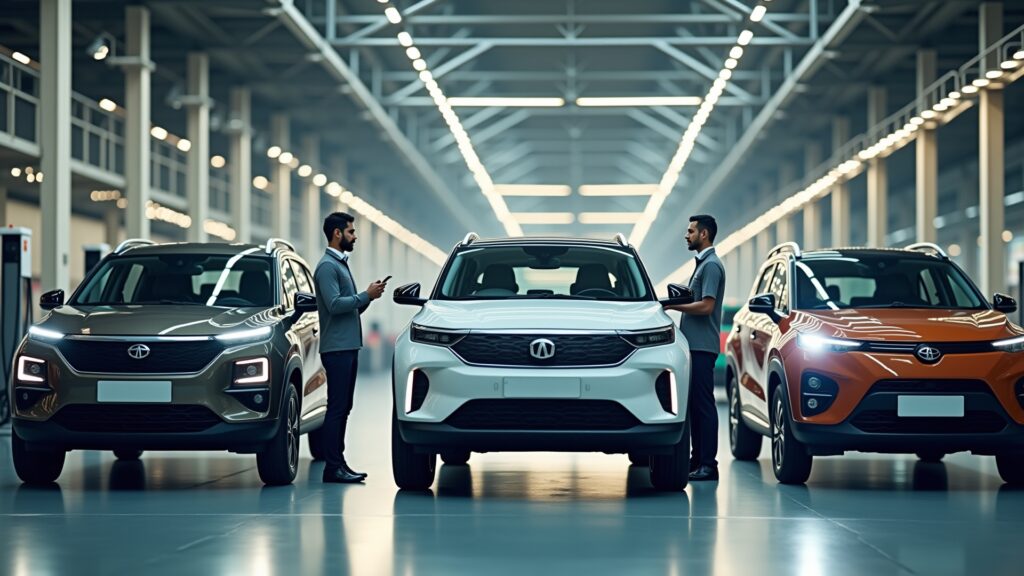
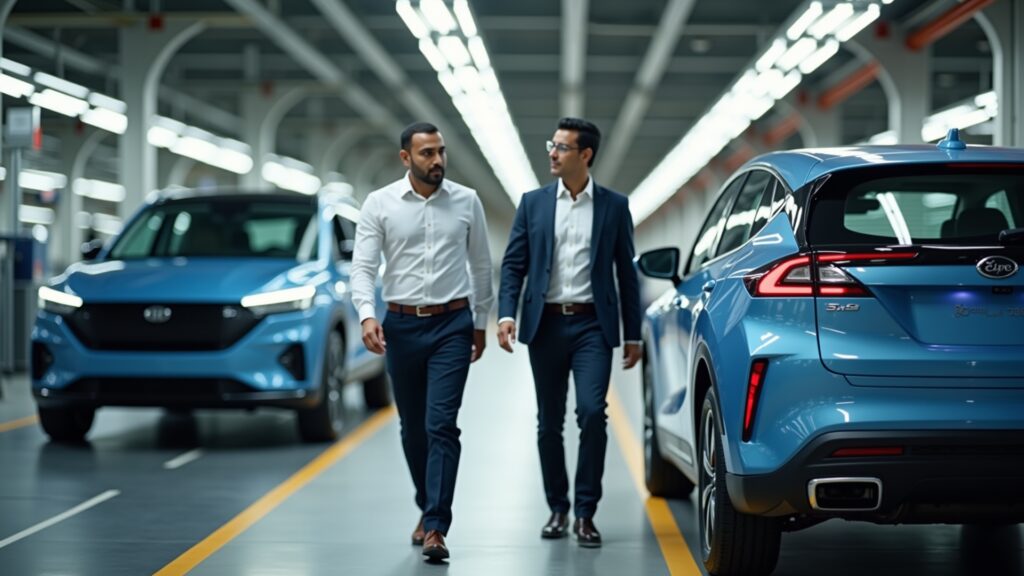
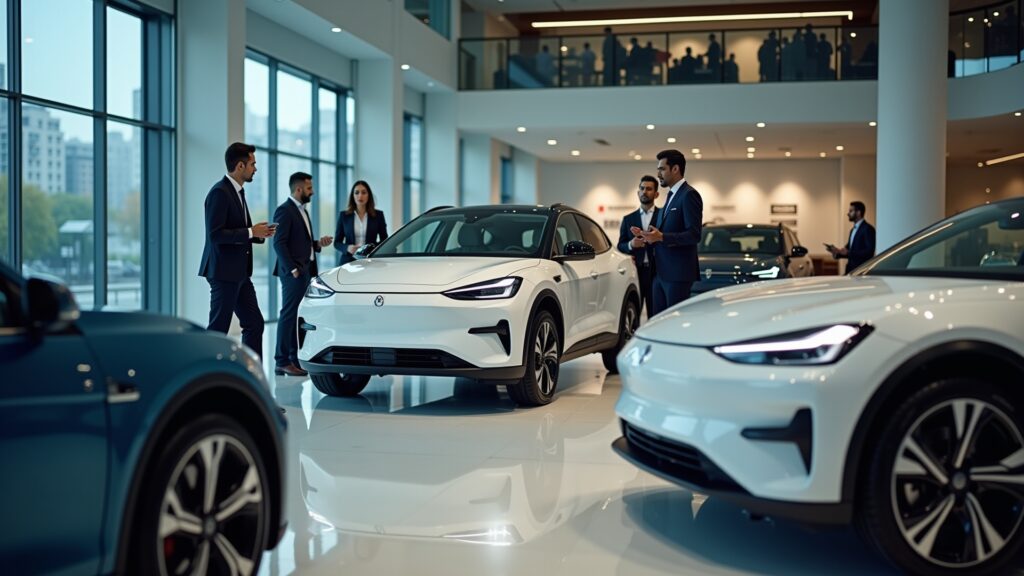










As you navigate the evolving contours of the automotive industry, consider this: India’s luxury car market is on the cusp of a significant transformation. BMW India projects that by 2030, luxury vehicles could represent up to 5% of the entire Indian automotive market. This is not merely a statistic; it’s a strategic signal that demands your attention as a business leader, investor, or policy influencer. Understanding this shift could define your next move, be it in manufacturing, supply chain management, retail strategy, or investment allocation.
Why This Growth Matters to You
For you, whether steering an OEM, managing an auto component enterprise, or making investment decisions, this growth projection heralds an opportunity to rethink your business model. The rise of premium vehicles reflects changing consumer wealth and preferences, signaling a market ready for more sophisticated products and services. Ignoring this evolution means missing out on a segment poised for higher margins, innovative technology adoption, and long-term brand loyalty.
What Is Driving the Surge in India’s Luxury Car Market?
Several key factors fuel this trajectory:
- Rising Disposable Income: India’s expanding affluent class is increasingly prioritizing premium mobility, driving demand for luxury and feature-rich vehicles.
- Urbanization and Lifestyle Shifts: Urban centers catalyze preferences for status symbols and advanced automotive technology.
- Technological Advancements: Luxury OEMs are aggressively integrating electrification, connectivity, and software-defined vehicle architectures.
BMW, Mercedes-Benz, and Audi exemplify OEMs aligning their portfolios to these dynamics, refining local manufacturing capabilities and customised retail approaches tailored to the Indian luxury consumer.
Key Business and Market Implications
Understanding this segment’s growth unveils multiple strategic implications for you:
- Localisation and Manufacturing Excellence: Luxury car production demands advanced components and technologies — bolstering India’s ambition to become a global export hub.
- Supply Chain Sophistication: Developing specialised suppliers and fostering an ecosystem around high-value components reduces import dependencies and enhances resilience.
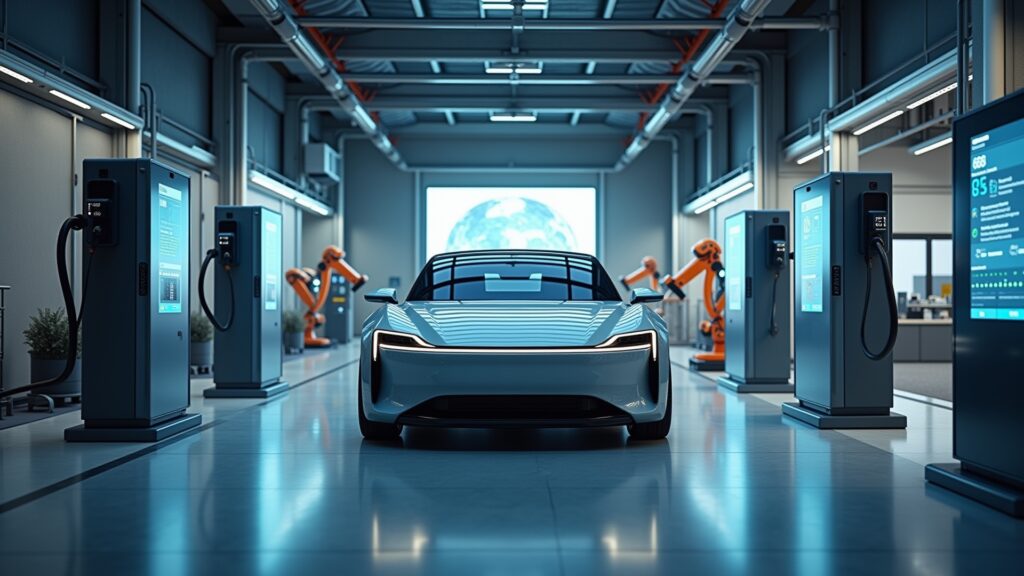
- EV and Hybrid Integration: Luxury segment’s electrification drives investments in charging infrastructure and partnerships, pushing the broader energy transition forward.
- Retail Transformation: Premium customers expect seamless digital retail experiences and high-end service ecosystems, reshaping dealership strategies.
“In the automobile industry, speed is valuable — but strategic timing creates lasting advantage.”
Deeper Strategic Insights for Industry Leaders
This trajectory is more than market growth; it is an ecosystem maturation signal. OEMs like you can leverage this by fundamentally rethinking product innovation to highlight electrification, connected car features, and software updates. Investing in local manufacturing capabilities is no longer optional but essential to lower costs, improve supply chain resilience, and gain export competitiveness.
Suppliers and component manufacturers should view the luxury market as a launchpad for advanced technologies, moving beyond traditional commodity components to specialised, high-margin parts. This sets the stage for designing future-ready supply chains adaptive to changing regulatory and consumer demands.
Investors must identify companies prioritising digital engagement and sustainable vehicle portfolios, as these will capture outsized value in the luxury segment’s expansion.
“The real edge is not only in building vehicles, but in controlling the technology, supply chain, and customer experience behind them.”
Practical Takeaways: What You Need to Know and Do
- Understand shifting consumer demands: Luxury buyers value technology, personalization, and sustainability. Tailor your products and services accordingly.
- Prioritize electrification: Deepen investments in EV and hybrid platforms aligned with luxury trends and infrastructure development.
- Enhance localisation: Build or partner for advanced manufacturing capabilities to reduce costs and strengthen export potential.
- Transform retail experiences: Invest in digital sales channels and premium after-sales services to attract and retain discerning customers.
- Monitor regulatory and policy shifts: Stay agile to leverage incentives and comply with emerging standards affecting luxury and electric vehicles.
Risks, Challenges, and Cautions
While the forecasted growth offers significant upside, you should remain vigilant about potential risks:
- Supply Chain Disruptions: Luxury vehicles’ reliance on advanced components makes them vulnerable to global supply volatility.
- Policy Uncertainty: Shifts in taxation, environmental regulation, or import duties could alter market dynamics rapidly.
- Consumer Behavior Variability: Luxury market growth depends on sustained affluence; economic downturns could impact demand sharply.
What to Watch Next in India’s Luxury Automotive Landscape
Keep an eye on these trends and indicators:
- The pace of luxury EV and hybrid model introductions and corresponding infrastructure buildup.
- The evolution of digital retail and customer engagement models tailored to premium buyers.
- Government policy moves around automotive localisation incentives and export facilitation.
- Strategic partnerships between OEMs, component manufacturers, and technology providers within India.
Conclusion: Positioning Your Business for India’s Luxury Market Surge
The projected rise of India’s luxury car market to a 5% share by 2030 is a clarion call for you as an automotive business leader. This growth transcends simple volume metrics; it signifies a broader sophistication in manufacturing, technology, and consumer engagement. By aligning your strategies with this evolving landscape—focusing on electrification, localisation, supply chain resilience, and premium retail innovation—you position your organization to capitalize on one of the most promising segments within India’s automotive future.
“When manufacturing strength, policy clarity, and market demand align, automotive growth becomes far more scalable.”