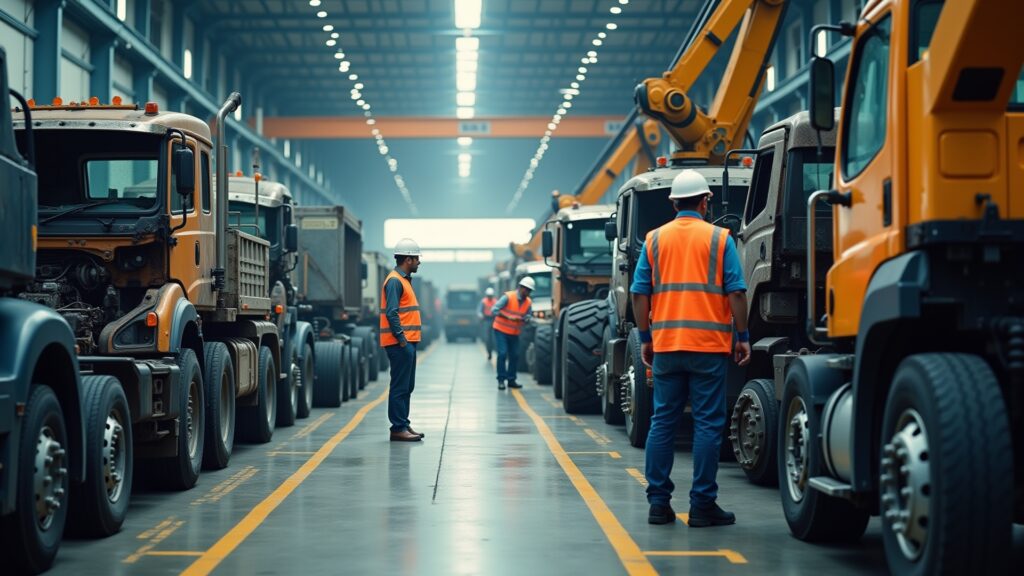













As a leader or influencer in the Indian automotive sector, you are facing a significant strategic crossroad with the introduction of the End-of-Life Vehicle (ELV) regulations. These rules, designed to ensure environmentally responsible dismantling and recycling of vehicles, are poised to impose an immediate financial impact close to ₹25,000 crore on the industry. But beyond the headline figure, this regulatory shift asks you to rethink your entire approach to manufacturing, supply chains, and global competitiveness.
Why This Matters to You
The ELV rules are not just about compliance or environmental stewardship — they touch directly on your profitability, operational resilience, and long-term market positioning. If you are steering an OEM, an auto component manufacturer, or part of the wider ecosystem, understanding how these rules reshape your cost structures, product design philosophies, and aftersales strategies is critical to maintaining your business’s bottom line and competitive edge.
What Is Happening with India’s ELV Regulations?
India is introducing ELV rules aligned with global efforts to decarbonize and promote circularity in automotive manufacturing. The regulations mandate systematic scrappage, recycling, and recovery of materials from vehicles that have completed their lifecycle. This transformative approach to end-of-life management aims at aligning the country with global environmental commitments while encouraging sustainability within the automotive supply chain.
Key Business and Market Impacts You Should Understand
- Cost of Compliance and Investment: You will need to invest substantially in reverse logistics, recycling technologies, and compliance frameworks to meet regulatory standards.
- Supply Chain and Localisation Drive: There will be an accelerated push toward manufacturing components designed for recyclability, pushing localisation further as a core strategy.
- Product Design Shifts: Modular vehicle architectures and circular economy principles will become crucial design considerations.
- Aftermarket Evolution: The informal recycling sector will need transformation into organised networks, creating both challenges and opportunities for innovation.
- Export Market Access: Compliance can open gateways to export markets with stringent ELV directives, enhancing India’s global manufacturing stature.
Strategic Analysis: Transforming Compliance into Competitive Advantage
From a strategic viewpoint, the ELV rules are an inflection point for your industry. Rather than a compliance cost, you can view this as an investment in sustainable differentiation. Early adopters who integrate recycling-friendly designs and build supply chain resilience can position their brands as pioneers in the circular economy. This shift is not merely regulatory—it aligns with the evolving expectations of global investors, policymakers, and consumers alike.
“The real edge is not only in building vehicles, but in controlling the technology, supply chain, and customer experience behind them.”
Practical Takeaways for Auto Industry Leaders
- Assess your end-to-end supply chain readiness for recycling and materials recovery integration.
- Prioritize R&D on modular, recyclable vehicle platforms to reduce future compliance costs.
- Explore partnerships with recycling technology firms and new entrants creating organised scrappage networks.
- Monitor policy evolution carefully for subsidies or incentives that may alleviate transition costs.
- Position your export strategy to leverage compliance as a gateway to more stringent international markets.
Expert Perspective
“In the automobile industry, speed is valuable — but strategic timing creates lasting advantage.”
“When manufacturing strength, policy clarity, and market demand align, automotive growth becomes far more scalable.”
Risks and Challenges You Must Navigate
While ELV implementation aligns India with global norms, it poses risks you cannot overlook. Passing compliance costs to consumers could impair vehicle affordability and dampen demand. The current informal dismantling ecosystem may resist formalisation, posing integration challenges. Furthermore, disjointed coordination among OEMs, suppliers, and policymakers can cause supply chain disruptions, impacting margins and market timing.
What You Should Watch Next
Stay alert to the evolving ELV regulatory timeline, government incentives to support infrastructure and R&D, and emerging business models in vehicle recycling and remanufacturing. Watch global ELV trends and benchmark your strategies to maintain export competitiveness. Additionally, track innovations in battery recycling and the integration of electric vehicle lifecycle management as this will increasingly overlap with ELV frameworks.
Conclusion: Leveraging ELV Rules for Sustainable Growth
The End-of-Life Vehicle rules impact on Indian automotive industry represents a strategic inflection point you cannot afford to ignore. The ₹25,000 crore transition cost signals the scale of investment required, but the true opportunity lies in adopting sustainable and circular practices that will differentiate your brand and operational model. By investing proactively in recycling infrastructure, innovating product design, and aligning supply chains with ELV norms, you can transform regulatory challenges into growth levers. Your decisions now will decide how India’s automotive industry not only complies but competes on the global stage.