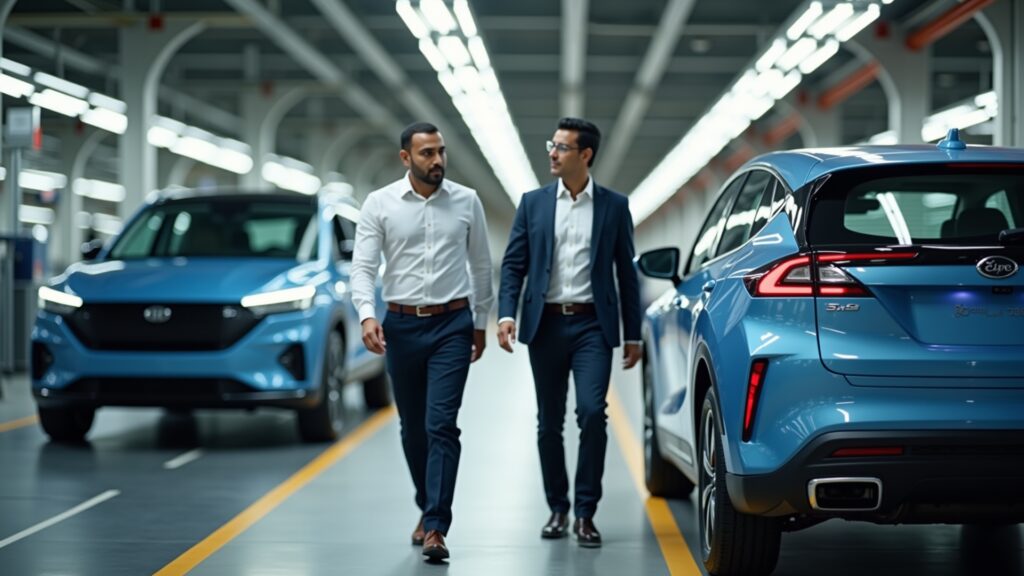
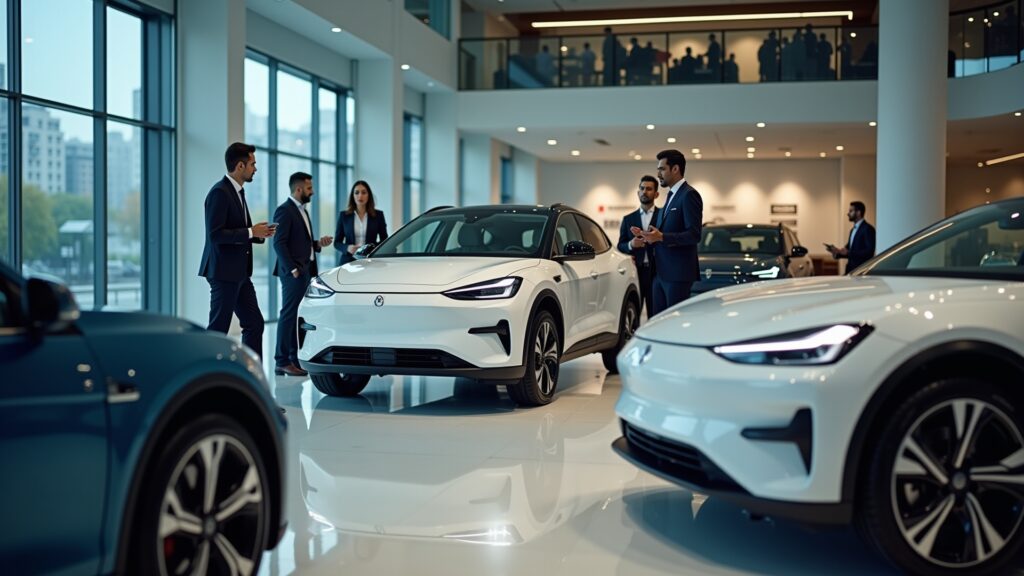






You are at a pivotal juncture in India’s electric vehicle (EV) revolution, especially within the commercial mobility sector dominated by three-wheelers. The recent strategic partnership between Hyundai and TVS Motor Company represents more than a collaboration; it signals a tectonic shift in how you, as an automotive business leader, investor, or policymaker, must approach manufacturing, market strategy, and innovation in this expanding domain.
Why This Matters to You
India’s electric three-wheeler segment stands at the nexus of urban mobility challenges, sustainability imperatives, and a rapidly evolving regulatory landscape. As competition intensifies and policy incentives grow under flagship schemes like the Production-Linked Incentive (PLI), your ability to understand and leverage multi-sector partnerships will define competitive advantage. Hyundai and TVS bring together a unique blend of global EV expertise and domestic manufacturing mastery — a model you can’t overlook if you aim to capitalize on the country’s transition to electric commercial vehicles.
A Closer Look at What is Happening
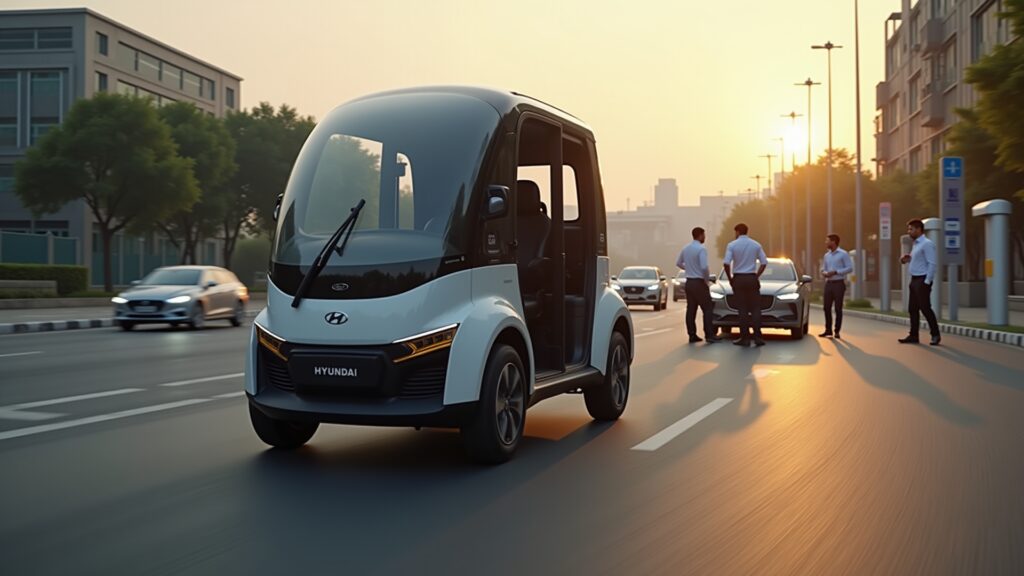
Hyundai’s bold expansion in global EV markets meets TVS’s long-standing authority in two- and three-wheeler manufacturing through this co-development project focused on electric three-wheelers tailored for India. This alliance will accelerate research and development, optimize component sourcing, and reduce time-to-market timelines for a category that is key to last-mile commercial logistics and urban passenger mobility.
Historically reliant on conventional fossil fuels, India’s three-wheeler segment now faces pressure from regulatory bodies and customers demanding cleaner alternatives. The Hyundai-TVS partnership is a direct response to these market realities, delivering both innovation and scalability at a local level.
Business, Market, and Policy Implications
From a business perspective, this partnership offers a valuable blueprint for how you can unlock new revenue channels through shared technology platforms and joint supply chain management. By localizing production and expanding component manufacturing ecosystems, Hyundai and TVS are effectively mitigating supply chain vulnerabilities — especially in critical areas like battery procurement and electric drivetrain systems.
Moreover, this collaboration is an affirmation of India’s strategic push to become a global EV manufacturing hub. By aligning with government policies that incentivize local manufacturing, companies like yours have pathways to optimize costs, qualify for subsidies, and penetrate export markets.
Strategic Insights and Deeper Industry Analysis
Two key strategic dimensions stand out:
- Complementary Capabilities: Hyundai’s software-driven vehicle development and global EV experience combined with TVS’s localized manufacturing knowledge create a synergy that strengthens technological innovation while ensuring market readiness.
- Supply Chain Resilience: The partnership demonstrates strategic foresight by addressing India’s challenging supply chain landscape through shared sourcing and innovation in affordable, scalable EV components.
These insights underscore an emerging trend where OEM alliances are not mere cost-sharing exercises but pivotal strategic moves to enhance competitive positioning in the EV sector.
Practical Takeaways for Automotive Leaders
- Monitor government policy updates closely, particularly PLI schemes and battery manufacturing incentives.
- Evaluate strategic partnerships that can bridge technology gaps and accelerate go-to-market strategies.
- Invest in supply chain localization to reduce dependency and enhance cost competitiveness.
- Focus on software-defined vehicle capabilities to meet emerging consumer and regulatory demands.
- Consider scaling EV innovations beyond the domestic market by tapping export opportunities.
Insightful Editorial Quotes
“In the automobile industry, speed is valuable — but strategic timing creates lasting advantage.”
“The real edge is not only in building vehicles, but in controlling the technology, supply chain, and customer experience behind them.”
“When manufacturing strength, policy clarity, and market demand align, automotive growth becomes far more scalable.”
Risks and Challenges You Must Consider
Despite the promising outlook, you should remain vigilant about the evolving battery technology landscape and potential regulatory changes that may impact cost and compliance frameworks. Integration of software-defined features into electric three-wheelers also presents an engineering and security challenge that requires significant investment and foresight.
What to Watch Next in the Electric Three-Wheeler Domain
Keep an eye on how this partnership progresses in terms of product launch timelines, market response, and supply chain innovations. The scalability of production and the ability to integrate advanced software functionalities will be key indicators of success. Additionally, watch for how other OEMs in India may respond with similar alliances or innovations, potentially reshaping competitive dynamics further.
Conclusion: A Strategic Lever in India’s EV Transformation
The Hyundai and TVS co-development of electric three-wheelers is much more than a vehicle initiative. It is a strategic lever accelerating India’s position as a global EV manufacturing hub, reshaping commercial vehicle production, and driving sustainable business growth. As this collaboration unfolds, your strategic decisions around partnerships, local manufacturing, and technological innovation will become increasingly pivotal — not just to survive but to lead in the future of electric mobility.
Understanding the nuances of this alliance allows you to position your enterprise proactively, leveraging emerging trends and building resilience in a highly competitive, rapidly evolving industry.