










As an automotive business leader or investor, you understand the stakes involved when a globally significant player like Horse Powertrain sets its sights on India. This isn’t just another market entry—it’s a strategic shift that reflects deeper transformations within small-car engine manufacturing, localisation, and supply chain agility. Horse Powertrain’s move challenges you to rethink your own approach to manufacturing footprint, supplier ecosystem engagement, and market positioning in one of the world’s fastest-growing automotive hubs.
Why This Matters to You
India is rapidly evolving from a cost-effective production destination to a critical strategic hub in the global automotive supply chain. For OEMs, suppliers, and investors, Horse Powertrain’s India exploration is a signal that small-car engine manufacturing is recalibrating around localisation imperatives and regulatory compliance—with a keen eye on rising demand for compact, fuel-efficient vehicles. Your decisions regarding manufacturing investments, partnerships, and product strategy will benefit from understanding the broader industry currents this move exemplifies.
What Is Happening: Horse Powertrain’s Strategic India Entry
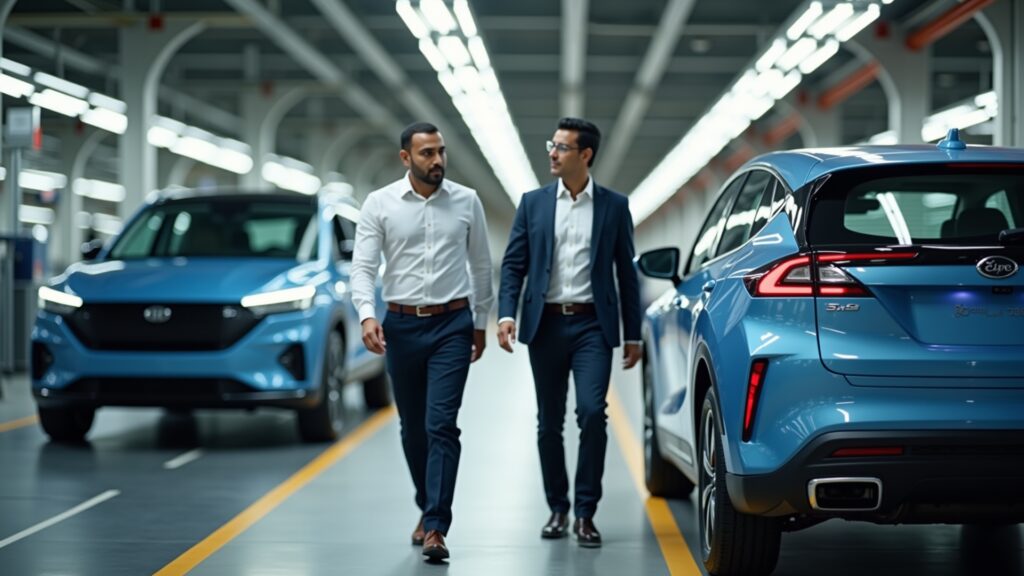
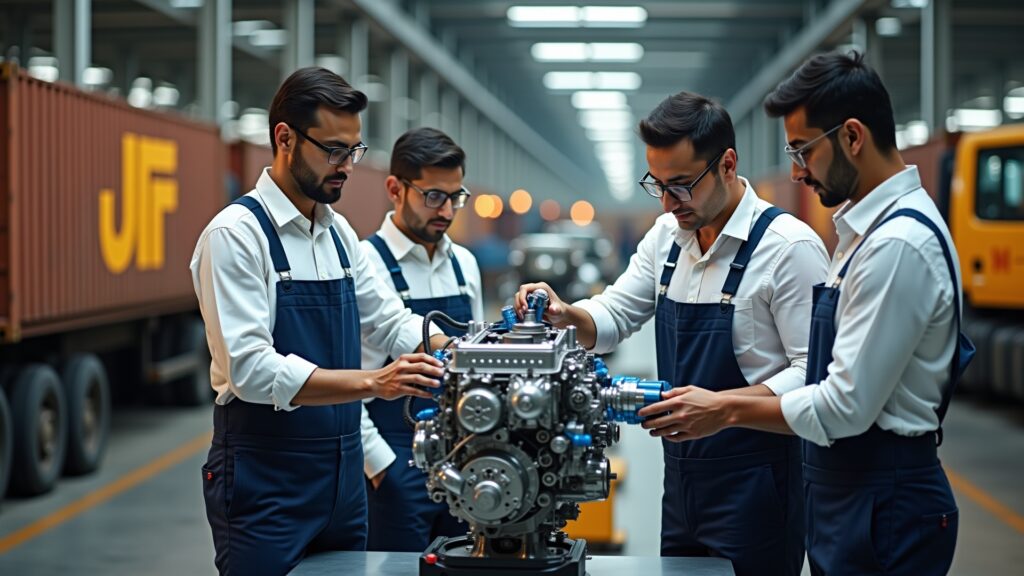
Horse Powertrain is actively exploring local manufacturing in India—a development that underscores several converging trends: a growing domestic demand for small-car engines, policy incentives supporting localisation, and the need for resilient supply chains amid global disruptions. This strategic initiative allows them to tap into India’s skilled workforce and supplier ecosystem, reducing dependency on imports and enhancing cost competitiveness.
Business and Market Impact: Aligning With Emerging Automotive Realities
The significance of Horse Powertrain’s move is multi-fold:
- Localisation and Cost Efficiency: Establishing a local production base will enable Horse Powertrain to navigate tightening regulatory landscapes, such as India’s increasingly stringent localisation requirements for automotive components, while optimizing production costs.
- Connecting With Consumer Demand: Small-car engines remain central to India’s automotive market, where fuel economy and affordability drive purchase decisions. Despite electrification trends, internal combustion engines (ICE) still dominate segments where EV infrastructure and uptake are nascent.
- Supply Chain Resilience and Export Prospects: By localising manufacturing, Horse Powertrain can leverage India’s expanding network of trade agreements and logistical infrastructure to serve both domestic and international markets, bolstering India’s role as a global export hub.
Strategic Insight: A Balancing Act Between Innovation and Tradition
Horse Powertrain’s initiative exemplifies the strategic balancing act global suppliers face today. While electrification steers the long-term trajectory, the reality of market conditions in countries like India ensures that ICE technology remains vital. This calls for manufacturers to maintain innovation momentum in powertrain development while leveraging localisation strategies to remain competitive in cost and compliance.
For you—whether leading an OEM, a component supplier, or an investment fund—this move highlights the necessity of a multi-dimensional strategy that addresses product portfolio diversification, local sourcing, and the continuous recalibration of manufacturing footprints in response to geopolitical and economic shifts.
“In the automobile industry, speed is valuable — but strategic timing creates lasting advantage.”
“The real edge is not only in building vehicles, but in controlling the technology, supply chain, and customer experience behind them.”
Practical Takeaways for Industry Leaders
- Reevaluate Local Manufacturing: Explore opportunities to establish or expand local manufacturing in India to harness cost advantages, policy benefits, and supply chain robustness.
- Align Product Strategy With Market Dynamics: Embrace the continued relevance of small-car ICE engines alongside hybrid and electric options, tailoring your offerings to local consumer and regulatory demands.
- Leverage Export Potential: Build export strategies that capitalize on India’s growing network of trade agreements and logistics.
- Invest in Supply Chain Agility: Cultivate partnerships with local suppliers and integrate supply chain visibility tools to mitigate risks and adapt quickly.
Risks and Challenges Ahead
While the India entry presents opportunities, it is not without challenges. Navigating complex regulatory frameworks, managing the transition amid India’s evolving emission standards, and competing with entrenched local engine manufacturers demand strategic vigilance. Additionally, the accelerating push toward electrification globally means that investments in ICE technologies must be carefully balanced against future-proofing initiatives.
What You Should Watch Next
Observe how Horse Powertrain’s local manufacturing ambitions evolve—especially in terms of partnerships, supply chain integration, and export volume. Monitoring government policy shifts related to localisation and emissions standards will also be crucial, as these will directly impact operational viability and competitive dynamics. Lastly, watch how other global powertrain suppliers react, as their strategies will reveal broader industry trends and potential consolidation opportunities.
Conclusion: A Strategic Signal in Small-Car Engine Manufacturing
Horse Powertrain’s India entry embodies a critical strategic shift that you can’t afford to overlook. It highlights why localisation, supply chain resilience, and operational agility will remain essential pillars for sustainable growth in the small-car engine segment. Whether you are an OEM leader calibrating your market approach or an investor targeting emerging growth corridors, this move signals where the intersection of automotive innovation and business strategy is headed in India and beyond.
“When manufacturing strength, policy clarity, and market demand align, automotive growth becomes far more scalable.”