












As a leader or stakeholder in the automotive business, you recognize that India’s automotive landscape is evolving at an unprecedented pace. Recently, Jitin Prasada’s call for increased Skoda investment in India automotive industry has thrown a spotlight on a nuanced but pivotal moment — one that could reshape your approach to manufacturing, technology adoption, and strategic alliances in this competitive market.
Why This Matters to You
You are navigating a complex automotive ecosystem where capital allocation, technology infusion, and localization strategies define competitive advantage. Prasada’s appeal does more than urge a brand expansion; it signals a direct opportunity for you to leverage foreign OEM capital to strengthen India’s industrial base, boost exports, and accelerate the transition to electrified and software-driven vehicles — trends that are now shaping every boardroom conversation.
What Is Happening: Skoda’s Potential in India’s Market and Manufacturing Ecosystem
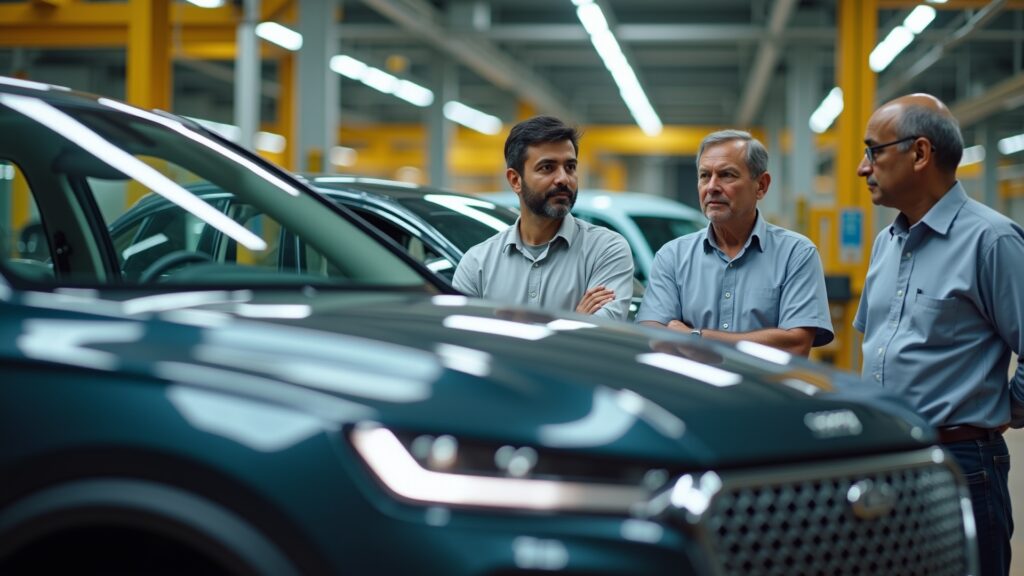
Skoda has been an established name in India’s passenger vehicle segment but has not fully capitalized on the country’s manufacturing advantages or consumer demand for innovative mobility. Prasada’s entreaty is essentially a strategic invitation for Skoda to deepen investment, scale up local production, and transfer critical technologies — especially in electric and connected vehicle domains.
This move aligns with the broader government push for localisation and export-led growth under initiatives such as Make in India and the Production Linked Incentive (PLI) scheme. For you, this presents a moment to rethink supply chain partnerships, component sourcing, and digital integration in your product roadmap.
Strategic Business and Market Implications
At the intersection of policy and market dynamics, an escalated Skoda investment can catalyze multiple dimensions of growth:
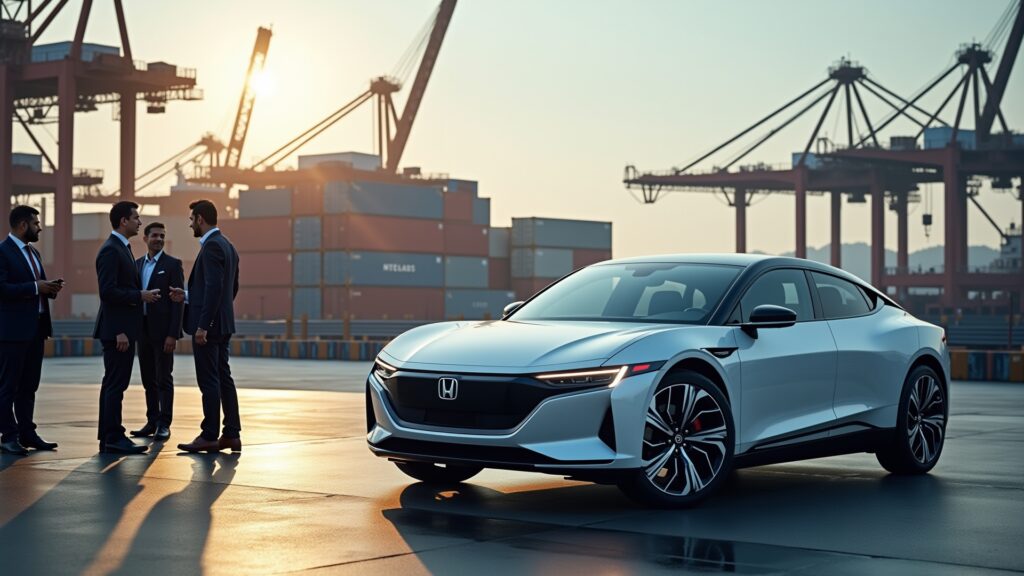
- Manufacturing Scale and Export Competitiveness: Enhanced production capacity in India would allow Skoda and its suppliers to exploit India’s cost efficiencies and skilled workforce, enabling higher exports. You should consider how such scale can influence your supply chain strategies and competitive positioning globally.
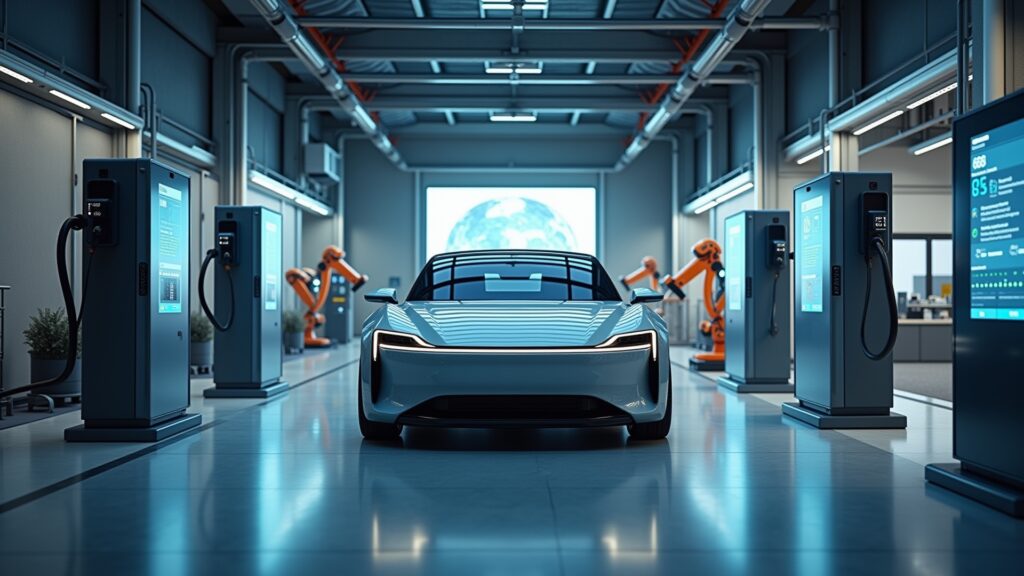
- EV and Hybrid Transition: As the global industry shifts, Skoda’s technology transfer can boost India’s EV ecosystem, offering potential partnerships for battery sourcing, charging infrastructure, and software platforms.
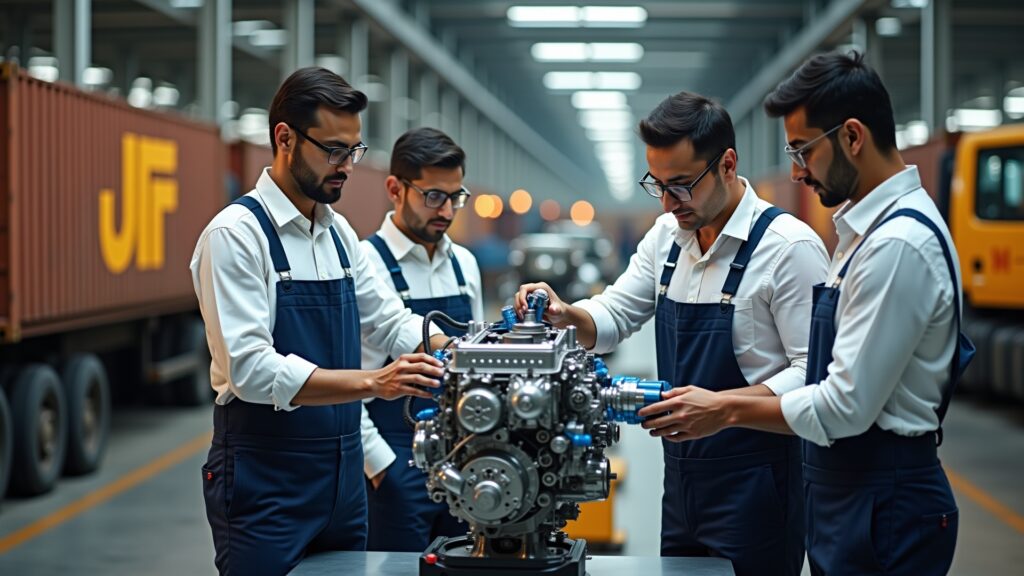
- Auto Component Ecosystem Growth: Increased OEM investment typically leads to higher demand for components, incentivizing local suppliers to innovate and scale — which could improve your bargaining power and innovation cycle.
Deeper Strategic Insight: OEM Investment as a Catalyst for the Future
Investment from international OEMs like Skoda goes beyond business expansion — it represents a public-private alignment pivotal to building India’s automotive sovereignty and global competitiveness. For you, focusing on how such investments foster technology localization, skill development, and regulatory alignment can inform your long-term strategic planning.
Connecting this with shifts toward software-defined vehicles, connected mobility, and sustainable manufacturing, you see a landscape where your decisions about partnerships, technology adoption, and market entry timing carry heightened importance.
Practical Takeaways for Decision Makers
- Monitor government policy shifts that facilitate foreign direct investment and domestic manufacturing incentives.
- Evaluate partnerships with OEMs like Skoda for potential technology exchanges, especially in EV powertrains and connected vehicle software.
- Assess your supply chain resilience to meet the increasing demand and complexity linked to larger production scales and new vehicle architectures.
- Invest in skill development aligned with new technology trends to maintain competitive advantage.
- Stay alert to global trade dynamics, because export potential depends on navigating tariffs, logistics, and geopolitical shifts.
“In the automobile industry, speed is valuable — but strategic timing creates lasting advantage.”
“The real edge is not only in building vehicles, but in controlling the technology, supply chain, and customer experience behind them.”
Risks, Challenges, and What to Watch
Your optimism should be tempered with awareness of challenges such as supply chain disruptions, skill shortages, and the need to balance cost efficiency with premium product demands. Global market volatility and regulatory changes could affect the pace and scale of investment.
Keeping an eye on how Skoda and other OEMs navigate these factors will provide insight into the viability of their expansion and your potential engagement.
Looking Ahead: What You Should Watch Next
Watch for announcements related to detailed investment plans, technology transfer agreements, and policy frameworks facilitating OEM manufacturing scale-up. Observe how component suppliers align their strategies to capitalize on potential order growth, and how dealership and retail networks adapt to evolving vehicle technologies and customer expectations.
Conclusion: Aligning Your Strategy With India’s Emerging Automotive Landscape
Jitin Prasada’s appeal for increased Skoda investment in India automotive industry underscores a transformative phase — one where your business strategy must be agile and informed by larger industrial trends and policy frameworks. The synergy between strategic capital deployment, technology absorption, and localization will define India’s role on the global automotive stage and your position within it.
To capitalize on these emerging corridors of growth, you should anchor your decision-making on collaborative innovation, supply chain upgrading, and foresight in EV and software-driven mobility developments.
“When manufacturing strength, policy clarity, and market demand align, automotive growth becomes far more scalable.”