










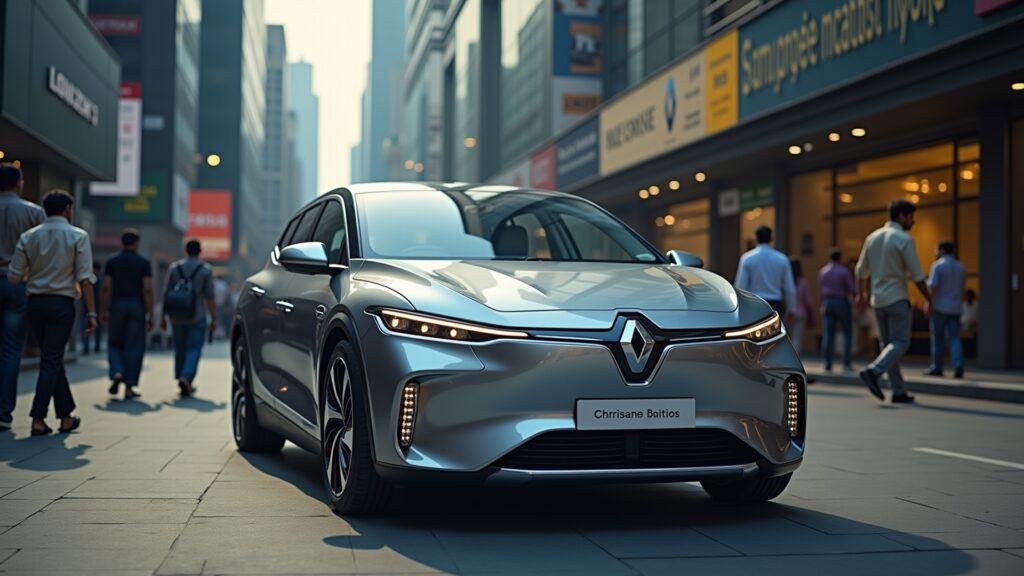
When Renault India reports a 55% jump in sales in June, reaching 4,063 units, this isn’t just a number for you to note—it’s a signal of deeper currents reshaping the Indian automotive market and the strategies you must weigh as a stakeholder in this evolving landscape.
Why This Sales Surge Matters to You
If your interests lie in automotive business leadership, OEM strategy, or investment in India’s auto sector, understanding Renault India’s performance provides critical insights into market traction points amid fierce competition and transformation. This growth reflects not only a rebound but targeted execution in areas such as localisation, retail network efficiency, and product portfolio alignment with emerging consumer demand. In other words, it is a template for navigating profitability and resilience in a market marked by regulatory shifts, electrification, and rising consumer expectations.
What Is Happening: Renault’s Market Dynamics Unpacked
Renault’s 55% sales increase signifies more than just a quarterly achievement. It underscores the company’s ability to leverage multiple strategic levers effectively:
- Retail and Distribution Optimization: Strengthening dealer network capabilities and customer experience to capture market share.
- Product Portfolio Adjustments: Aligning offerings with consumer preferences shaped by both traditional fuel and emerging electric/hybrid vehicle trends.
- Localisation Drives: Enhancing supply chain resilience by increasing local sourcing, thus reducing dependency on volatile imports and raw material costs.
This confluence points to how Renault is positioning itself amid intensifying competition and a rapidly evolving regulatory framework pushing EV adoption.
Strategic Implications for OEMs and Market Competitiveness
For you as an OEM decision-maker or industry participant, Renault’s sales jump invites several strategic reflections:
- Pricing and Value Engineering: Competitors must reexamine their pricing structures and localisation efforts to sustain margins without sacrificing market relevance.
- Supply Chain Adaptability: The surge reinforces the imperative of building resilient, local supply chains to withstand global disruptions and cost pressures.
- EV Transition Alignment: OEMs need to integrate electrification with connected mobility solutions seamlessly to future-proof their portfolios.
- Retail and Customer Engagement: Dealer network modernization and customer experience innovation are proving to be critical growth drivers.
“In the automobile industry, speed is valuable — but strategic timing creates lasting advantage.”
Broader Industry Context and Investor Considerations
Investors and ecosystem players should interpret Renault India’s sales growth as a barometer of adaptability and strategic clarity in a turbulent yet opportunity-rich market. This growth suggests Renault’s proactive investment in:
- Local Manufacturing Capabilities: Enhancing capacity and quality standards locally to serve both domestic and export markets.
- Strategic Partnerships: Collaborations that facilitate technology transfer, joint innovation, and market expansion.
- Innovation in Auto Components: Fueling demand for suppliers to meet increasingly sophisticated and localized production needs.
“The real edge is not only in building vehicles, but in controlling the technology, supply chain, and customer experience behind them.”
Practical Takeaways for You
- Monitor Renault India’s ongoing localisation strategies as a benchmark for supply chain resilience.
- Evaluate how dealer network efficiency correlates with market share gains and consider necessary investments in retail modernization.
- Prioritize electrification readiness tied with connected vehicle technologies to align with regulatory and consumer shifts.
- Stay alert to policy changes that can impact manufacturing costs and export competitiveness.
- Consider strategic partnerships that can accelerate technology adoption and market diversification.
Risks and Challenges: What to Watch Out For
Despite the optimistic sales figures, risks remain that you must factor into strategic planning:
- Raw Material Cost Volatility: Increasing input costs could pressure margins unless mitigated by localisation and efficient sourcing.
- Regulatory Ambiguity: Shifting EV policy frameworks or delayed incentives may slow adoption rates and alter cost-benefit equations.
- Competitive Intensity: OEMs face escalating pressure from both domestic players and global entrants, demanding sharper strategic clarity.
- Technological Disruption: Rapid advances in software-defined vehicles require continuous innovation investment to avoid obsolescence.
What You Should Watch Next
Renault India’s success in June provides a lens to gauge which OEM strategies will win in the mid to long term. Key areas to keep a close eye on include:
- Expansion plans into electric and hybrid segments with robust localisation backing.
- New retail and customer engagement models leveraging digital and connected technologies.
- Supply chain diversification initiatives to mitigate risks highlighted by recent global disruptions.
- Government policies shaping incentives, export support, and technology adoption timelines.
“When manufacturing strength, policy clarity, and market demand align, automotive growth becomes far more scalable.”
Conclusion
The 55% sales surge Renault India experienced in June is a compelling indicator of shifting OEM market strategies in India’s dynamic automotive ecosystem. For you, whether a leader, investor, or supplier, this development signals the critical importance of agility, localisation, and integrated retail execution in capturing growth opportunities amid transformation.
As the market accelerates towards electrification, connected vehicle technologies, and enhanced supply chain resilience, studying Renault’s approach offers valuable lessons on balancing immediate market responsiveness with long-term strategic investments. Applying these insights thoughtfully could define your competitiveness and profitability in an increasingly complex Indian automotive market.