












The ongoing conflict in West Asia is more than just a geopolitical headline—it’s a decisive factor reshaping the economic landscape of India’s automotive industry. As a business leader or investor in this sector, you need to understand how these rising raw material prices are not only squeezing margins but also challenging your strategic initiatives around localisation, export growth, and electrification.
Why This Raw Material Price Impact on the Indian Auto Industry Matters to You
The Indian automotive sector sits at a pivotal crossroads. You are balancing the ambition to transform your business with the reality of input cost pressures. Critical raw materials such as steel, aluminium, copper, and rare earth elements—essential for manufacturing combustion vehicles and, more importantly, electric and hybrid models—are seeing sharp price inflations. These cost increases erode profitability on existing product lines and complicate your roadmap for investment in new technologies and sustainable practices.
In short, this is not a temporary supply hiccup but a profound challenge that demands strategic adaptability. Your ability to respond will determine how well your business weathers this turbulence and capitalises on India’s growing role as a global automotive export hub.
What Is Happening: The Raw Material Price Surge Triggered by West Asia Tensions
The geopolitical instability in West Asia has disrupted global supply chains, specifically impacting commodity markets crucial for automotive manufacturing. Steel and aluminium prices, already inflated by pandemic-era demand spikes, have soared further. Copper and rare earth elements—vital for electrical components and battery tech—face constrained availability and rising costs due to supply uncertainties.
This surge in raw material prices hits manufacturers at multiple levels:
- OEMs and component suppliers see shrinking margins as manufacturing costs rise sharply.
- Localisation efforts aimed at reducing import dependencies are constrained by global material shortages, delaying the intended cost benefits.
- EV and hybrid segment growth faces cost headwinds, impacting pricing strategies and market competitiveness.
Key Implications for Your Business and the Automotive Ecosystem
For original equipment manufacturers and component suppliers, the dilemma is clear: how to maintain competitive pricing while managing cost escalations. This environment demands a reevaluation of localisation programs to deepen integration with India’s evolving supplier ecosystem while exploring alternative materials and recycling to mitigate cost volatility.
Your strategic decisions must also address supply chain resilience. Diversification of sourcing, investment in supply chain digitisation, and adoption of advanced risk management models become urgent priorities to reduce vulnerability to geopolitical shocks.
In the automobile industry, speed is valuable — but strategic timing creates lasting advantage.
Strategic Insight: Positioning Your Business for Long-Term Competitiveness
These rising raw material prices are a clarion call for leadership to accelerate innovation—not only in product development but also in supply chain and materials management. To navigate this landscape, consider:
- Investing in research and development focused on alternative materials that reduce dependency on volatile imports.
- Expanding recycling initiatives that can insulate against raw material scarcity and price spikes.
- Building strategic partnerships across sectors to secure stable supply contracts and share risks.
- Leveraging India’s governmental policy initiatives that promote localisation, sustainability, and export competitiveness.
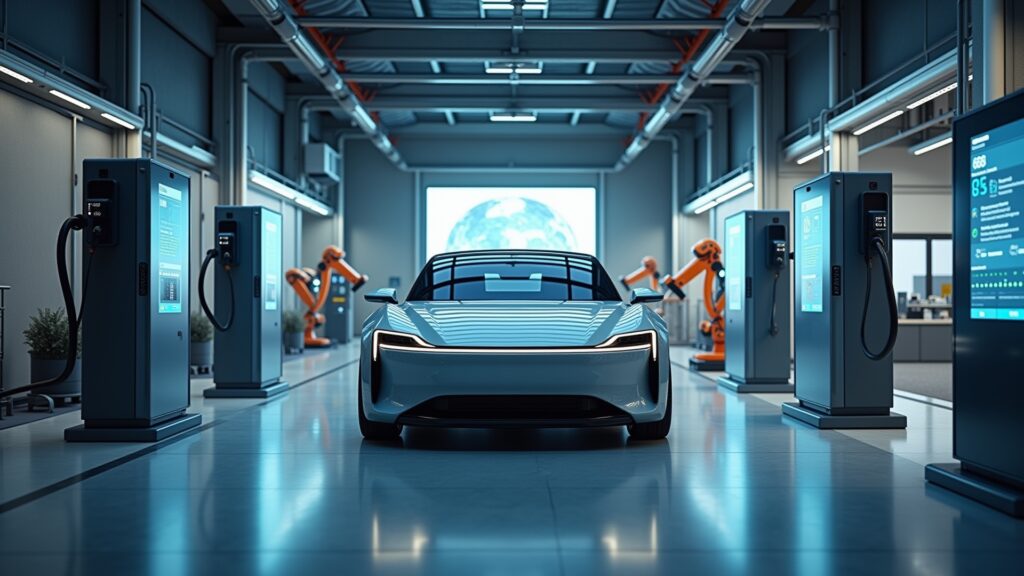
Strengthening your battery sourcing and charging infrastructure strategies will also prove vital as the EV transition is a cornerstone of India’s automotive future. Secure raw materials for battery cells and technology innovation to avoid disruptions that undermine market position.
Practical Takeaways: What You Should Do Now
- Closely monitor commodity price trends and geopolitical developments in West Asia affecting supply chains.
- Reassess your supplier base to reduce import dependencies and enhance local sourcing capabilities.
- Accelerate investments in supply chain digitalisation tools for real-time risk detection and agility.
- Align pricing strategies with evolving cost structures, considering customer transparency where possible.
- Prioritise sustainability-linked innovations that may access policy incentives and future-proof business resilience.
The real edge is not only in building vehicles, but in controlling the technology, supply chain, and customer experience behind them.
Potential Risks and Challenges Ahead
Despite strategic efforts, the current geopolitical tensions present risks such as:
- Prolonged raw material cost volatility affecting capital expenditure and operational budgets.
- Supply disruptions that may challenge just-in-time manufacturing models.
- Competitive pressures globally as other automotive hubs also pivot towards localisation and innovation.
- Regulatory and policy shifts in critical sourcing countries that may add complexity.
What You Should Watch Next
Keep a close eye on:
- Developments in West Asia and their downstream effects on global commodity markets.
- India’s policy responses specifically targeted at supply chain resilience and raw material localisation.
- Technological breakthroughs in alternative materials and battery tech that could redefine cost structures.
- Partnerships or joint ventures in the auto component ecosystem aimed at securing material supply and innovation edge.
Conclusion: Navigating the Raw Material Price Impact on India’s Auto Industry with Strategic Leadership
The conflict in West Asia has brought a sharp focus to the vulnerabilities in your automotive supply chains. The resulting raw material price pressures are squeezing margins at a critical juncture in India’s automotive evolution, where electrification, sustainability, and global export ambitions intersect.
By proactively recalibrating localisation strategies, investing in innovation around material science, and embracing supply chain resilience, you can turn this challenge into an opportunity for competitive differentiation. Strategic leadership combined with adaptive business models will define who prospers in the increasingly complex global automotive arena.
When manufacturing strength, policy clarity, and market demand align, automotive growth becomes far more scalable.