












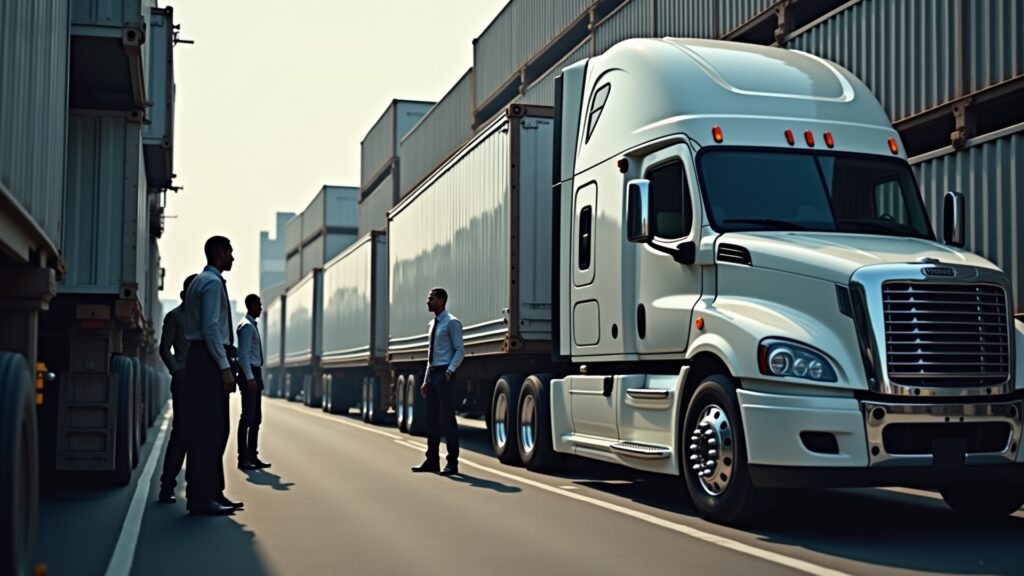
As a leader or stakeholder in India’s automotive ecosystem, you’re facing an evolving geopolitical landscape that demands your immediate attention. The recent escalation of the West Asian conflict isn’t just a distant geopolitical skirmish—it has real, tangible implications for your business operations, supply chains, and strategic planning. Understanding how this conflict impacts India’s automotive sector is essential for you to safeguard your investments, optimize your supply networks, and maintain your competitive edge globally.
Why This Matters to You: Understanding Your Exposure
You are part of an industry intricately woven into global trade and geopolitical currents. West Asia, beyond being a vital market for your automotive exports, acts as a logistic and raw material conduit, especially for the components and commodities critical to your production line. The intensification of conflict in this region threatens to disrupt this chain, triggering cost inflation, supply shortages, and trade fragmentation that can undercut your profitability and market positioning. This risk isn’t hypothetical—it is emerging as a core strategic challenge you must address.
What Is Happening: The West Asian Conflict Amplifies Risks
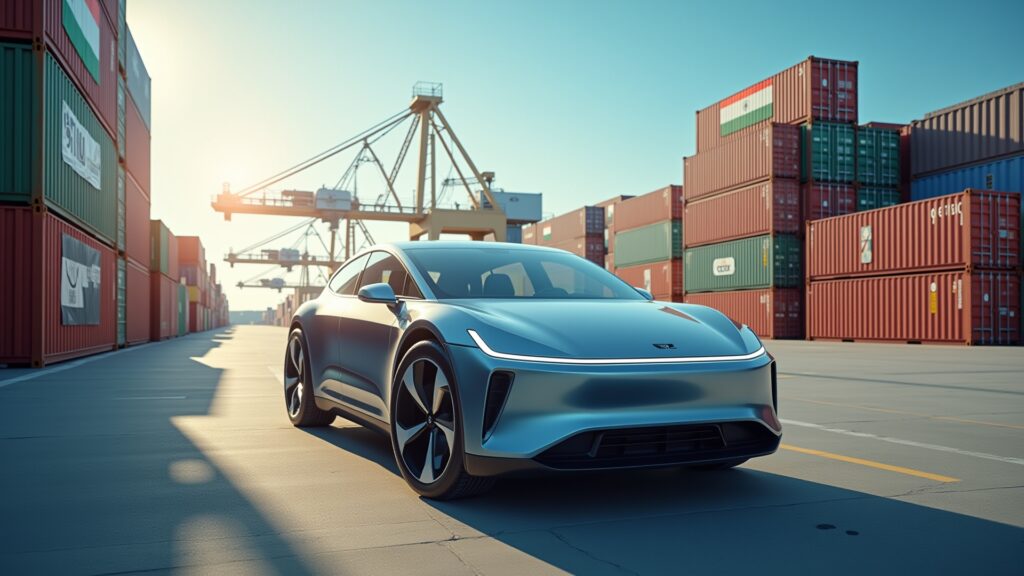
The Federation of Automobile Dealers Associations (FADA) has underlined the potential for disruption stemming from the conflict. India’s automotive manufacturing and export ecosystem, now deeply integrated with West Asian markets, is vulnerable. The region serves as an export destination and a critical transit point for various automotive components and raw materials. Escalating turmoil threatens to choke these supply routes, complicate logistics, and drive up operational costs across your value chain.
Key Impacts on Business, Policy, and Market Dynamics
- Supply Chain Vulnerabilities: Your dependence on West Asian transit corridors heightens exposure to delays and cost spikes. Existing supply networks may need rapid diversification to maintain flow.
- Export Performance: As West Asia continues being a key destination for Indian automotive exports, any trade disruptions could impair your revenue streams and export growth strategies.
- Manufacturing and Localization: The conflict underscores the urgency of localizing critical components and moving toward multi-sourcing to mitigate risk.
- Government Policy Role: Enhanced policy frameworks and government support will become vital to stabilize trade, incentivize domestic production, and safeguard export channels.
Strategic Insight: Mitigating Geopolitical Risk in a Complex Landscape
Your business resilience depends on extending your risk management beyond traditional financial and operational concerns to include geopolitical intelligence. Here’s what strategic foresight entails:
- Develop multi-sourcing strategies to reduce dependence on any one region or supplier.
- Accelerate localization initiatives for components and raw materials, fortifying your supply autonomy.
- Leverage government-industry collaboration to advocate for supportive trade policies and infrastructure development.
- Integrate geopolitical risk assessment into your broader strategic planning, especially as your firm shifts towards electric and software-defined vehicles—which require even more complex supply ecosystems.
“In the automobile industry, speed is valuable — but strategic timing creates lasting advantage.”
“The real edge is not only in building vehicles, but in controlling the technology, supply chain, and customer experience behind them.”
Practical Takeaways for Industry Leaders
- Understand the Conflict’s Scope: Monitor West Asian geopolitical developments closely and assess their potential impact on your supply chain and market access.
- Focus on Supply Chain Resilience: Identify alternative sourcing options and logistics routes beyond volatile regions.
- Engage with Policymakers: Advocate for policies that bolster export stability, local manufacturing incentives, and trade facilitation.
- Invest in Geopolitical Intelligence: Incorporate updated risk analytics into your strategic decision-making processes.
- Prepare for the EV Transition: Recognize that your EV and software-defined vehicle ambitions require exceptionally robust and resilient supply chains.
Risk Considerations and Challenges Ahead
The unpredictability of the West Asian conflict presents several challenges for your sector:
- Prolonged Disruptions: If the conflict deepens, the risk of sustained supply chain interruptions and rising costs could threaten production schedules and profitability.
- Policy Uncertainty: Volatile trade relations may delay critical policy support, impacting export incentives and manufacturing ease.
- Investor Confidence: Heightened geopolitical risk could influence investor sentiment and delay capital allocation decisions within the industry.
What You Should Watch Next
- Government responses and policy updates aimed at mitigating trade disruption risks.
- New logistic initiatives or trade corridors developed to bypass high-risk areas.
- Shifts in export performance metrics specific to West Asian markets.
- Automotive OEMs’ localization and multi-sourcing updates signaling strategic pivots.
- Industry collaborations and FADA-led initiatives focused on risk management.
Conclusion: Navigating the West Asian Conflict Impact on India’s Auto Industry
The geopolitical upheaval in West Asia is more than a regional crisis—it is a significant strategic inflection point for India’s automotive industry. For you as an industry leader, this is a call to reinforce the resilience of your supply chain, embed a nuanced understanding of geopolitical risks into your strategy, and engage proactively with government and industry forums. These actions will enable you to sustain India’s ascent as a global automotive hub amid an increasingly complex global environment.
“When manufacturing strength, policy clarity, and market demand align, automotive growth becomes far more scalable.”
By adopting these strategic imperatives, you ensure that your business not only weathers current geopolitical storms but emerges stronger and more competitive on the global stage.